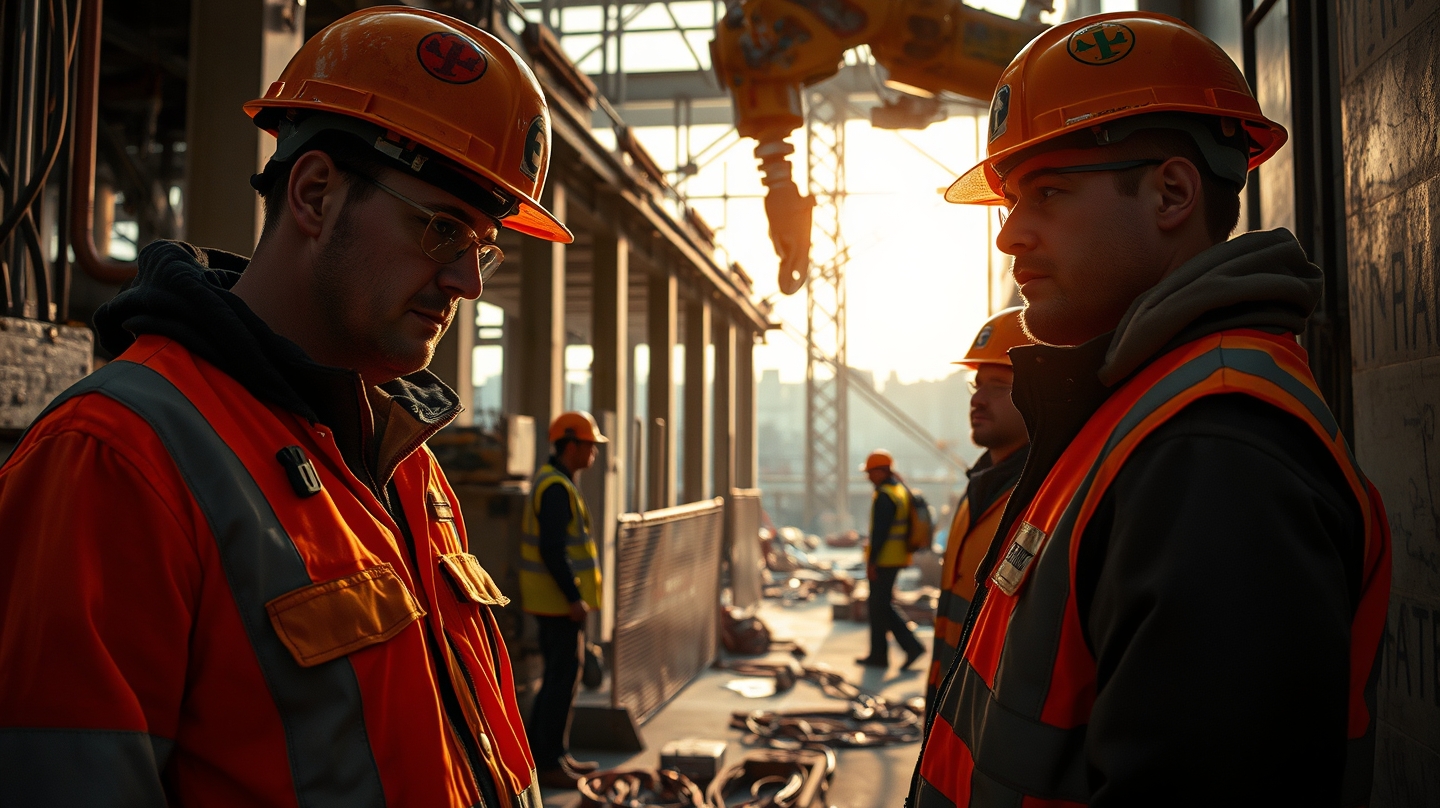
When Madalyn Jennings, the only woman apprentice electrician at the Hanford Vit Plant, filed a federal lawsuit in June, she did more than seek redress for personal trauma; she exposed a clash between a cutting‑edge nuclear waste‑treatment project and an entrenched workplace culture that tolerates harassment.
The complaint, lodged in the U.S. District Court for the Eastern District of Washington, names General Foreman George “Buster” Elgin, his father Skip Elgin, Waste Treatment Completion Co. (WTPC) and Bechtel National as defendants. Jennings alleges that Elgin repeatedly made comments about her appearance, demanded personal photographs, sent non‑work‑related texts, and exposed his chest on site. After she reported the conduct, she says she faced retaliation that culminated in her termination in September 2024. Her husband, Gary Jennings, an electrician on the same project, is also alleged to have been harassed.
Beyond the personal narrative, the lawsuit raises structural questions about how massive, technology‑driven construction projects manage human resources. The Hanford Vit Plant is part of a Department of Energy initiative to vitrify 56 million gallons of radioactive waste—an effort that relies on advanced robotics, remote‑handled equipment, and automated monitoring systems. While automation reduces physical risk, it does not automatically eliminate interpersonal risk. In fact, the concentration of high‑skill, high‑pay roles in a tightly controlled environment can amplify power imbalances, especially when senior supervisors wield both technical authority and informal influence.
Industry data underscores the broader relevance. The Equal Employment Opportunity Commission’s 2023 report flagged construction as one of the most hostile sectors for women and people of color. A 2021 Institute for Women’s Policy Research study found that 26.5 % of women in construction reported frequent harassment. When a project like Hanford, which integrates AI‑guided welding robots and remote‑sensing waste‑treatment processes, fails to address cultural issues, the technology’s potential for safety and efficiency is undermined.
Bechtel’s response, delivered by spokesperson Staci West, reiterated a zero‑tolerance stance on harassment but stopped short of comment due to pending litigation. The company’s public statements align with a broader industry trend: firms are investing in digital safety platforms—such as AI‑based incident reporting tools—to flag misconduct early. Yet the Jennings case illustrates that technology alone cannot substitute for robust, human‑centered policies.
For workers on the ground, the implications are immediate. The lawsuit alleges that after a broken finger left Jennings unable to perform her duties, she was denied reasonable accommodations—a violation of the Americans with Disabilities Act. If the court finds merit, it could set a precedent for how contractors must integrate disability considerations into automated workflows, where machines often assume a “one‑size‑fits‑all” approach to task allocation.
From a market perspective, the case may influence how large engineering firms bid on future government contracts. The Department of Energy and other federal agencies increasingly evaluate contractors on ESG (environmental, social, governance) criteria, where workplace culture is a measurable factor. A high‑profile harassment lawsuit could sway procurement decisions toward firms that demonstrate transparent, tech‑enabled compliance mechanisms.
Ultimately, the Jennings lawsuit is a reminder that the promise of automation in construction is inseparable from the promise of a respectful workplace. As the Hanford project moves toward full vitrification, its success will depend not only on the reliability of its robotic arms but also on the integrity of the human teams that design, operate, and maintain them.




















