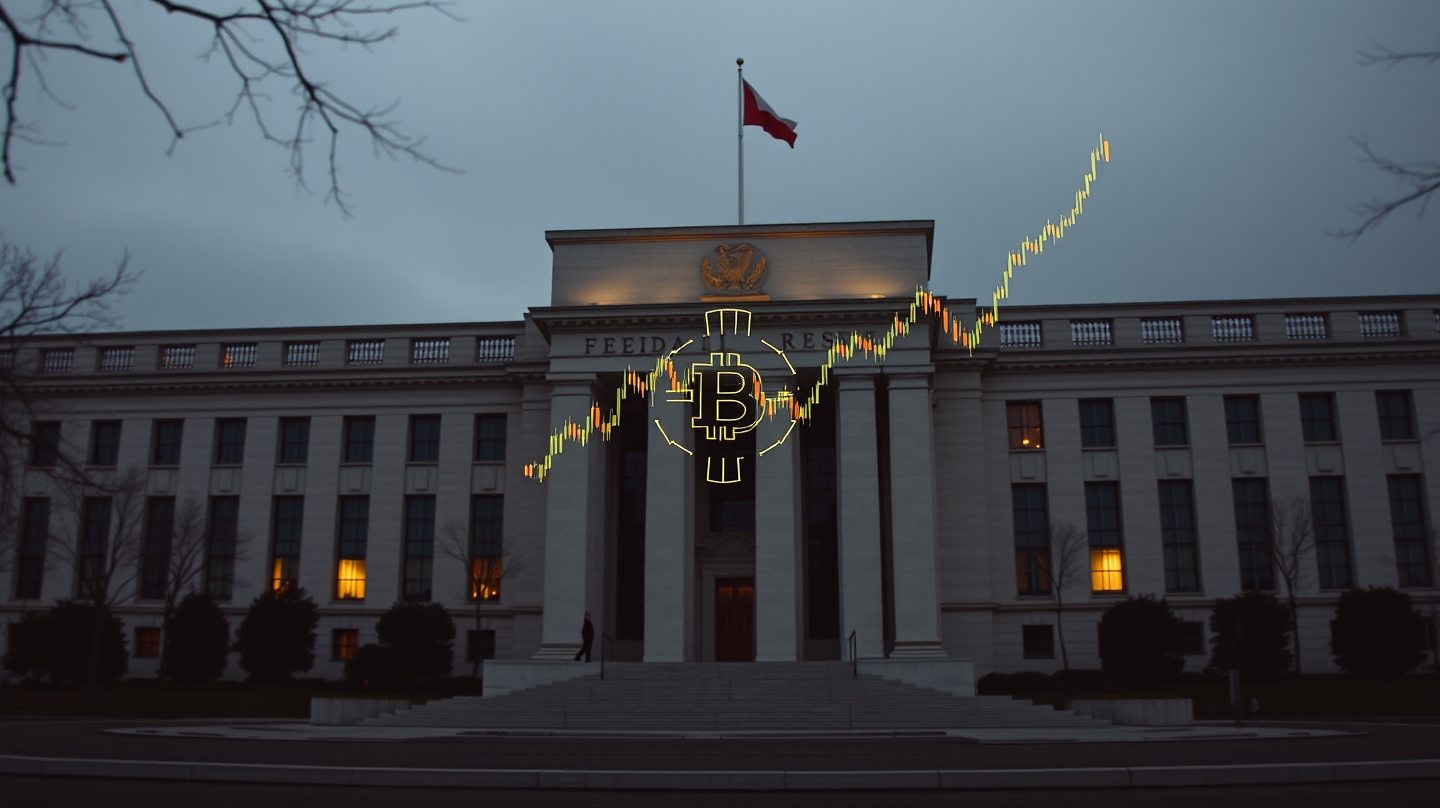
When the Federal Reserve announced it would keep the federal funds rate in the 3.50%-3.75% band, Bitcoin ticked up less than one percent, hovering around $64,402. The move was expected, but the market’s restrained response masks a nuanced recalibration among large‑scale investors who have been watching monetary policy for clues about crypto’s risk‑adjusted returns.
Fed Chair Kevin Warsh emphasized that the decision was a "rigorous review of the economic situation" rather than a pause, signaling that future policy could remain data‑dependent. For crypto markets, the message is clear: low‑interest‑rate optimism is on hold, and the pricing of digital assets will increasingly reflect real‑world fundamentals rather than speculative rate‑cut hopes.
Institutional investors reacted by tightening exposure limits rather than exiting positions outright. Several hedge funds disclosed modest additions to Bitcoin‑linked futures, citing the Fed’s steady stance as a sign that inflation pressures remain manageable. Meanwhile, corporate treasuries that had earmarked a small portion of reserves for crypto reported a pause in new allocations, opting to monitor the Fed’s next moves before committing fresh capital.
The modest price rise also reverberated through related markets. The Nasdaq‑100, which houses several fintech firms, edged higher, while traditional safe‑haven assets such as Treasury yields showed little movement. This convergence suggests that the broader financial ecosystem is treating Bitcoin less as a speculative hedge and more as a correlated asset class.
Beyond finance, the decision intersected with a growing cultural partnership: the National Football League recently announced a multi‑year sponsorship with a leading cryptocurrency platform. The deal, which includes branded stadium signage and fan‑engagement tokens, underscores how mainstream sports entities are leveraging crypto to tap into younger, digitally native audiences. For the NFL, the partnership provides a new revenue stream; for the crypto platform, it offers institutional credibility through association with a major American sports league.
These developments illustrate a feedback loop: as the Fed’s policy remains steady, institutional capital seeks assets with clear risk parameters, and crypto firms respond by embedding themselves in established institutions like the NFL. The result is a gradual shift from pure speculation toward a hybrid model where digital assets serve both investment and branding purposes.
Looking ahead, the Fed’s next meeting will likely hinge on inflation data released in the coming weeks. Should the central bank signal a potential rate hike, Bitcoin could face renewed pressure, especially if institutional risk appetites contract. Conversely, a dovish tilt would likely revive the expectation of rate cuts, reigniting the crypto‑rate‑cut narrative that has buoyed prices in past cycles.
For investors, the key takeaway is that Bitcoin’s price stability after the Fed’s decision is less about the asset’s intrinsic strength and more about the market’s recalibration of risk in a steady‑rate environment. Institutional players are watching closely, and their allocation choices will shape the next phase of crypto’s integration into mainstream finance and entertainment.




















