When Instagram surgeons meet gadget hype: a cultural clash of vanity and consumption
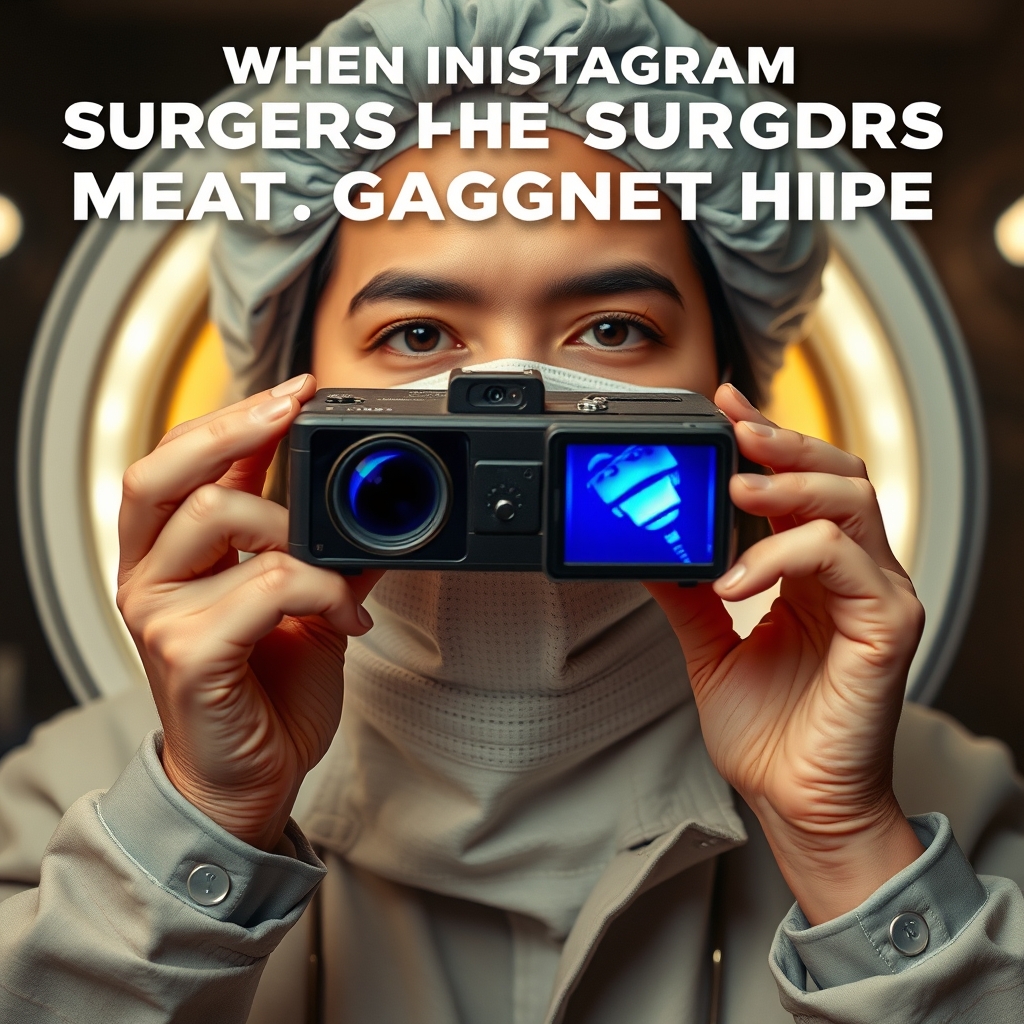
Scrolling through a glossy reel, a charismatic surgeon points out imagined imperfections with the confidence of a seasoned salesman, turning personal insecurities into a checklist of must-fix procedures. The promise is simple: spend, transform, and emerge as a more marketable version of yourself. Yet the same impulse fuels a parallel obsession with the latest devices, where a new phone or smart watch is heralded as a shortcut to an upgraded existence. Both narratives hinge on the idea that technology-whether silicon or scalpel-can patch the gaps we feel in our bodies and lives. The allure lies not just in the products themselves but in the story they sell: that we can continually reinvent ourselves, one purchase at a time. In a world where self-care is curated for an audience, the line blurs between genuine improvement and performance for the camera, leaving us to wonder whether the real upgrade is the feeling of control or the fleeting glow of the next screen.




















