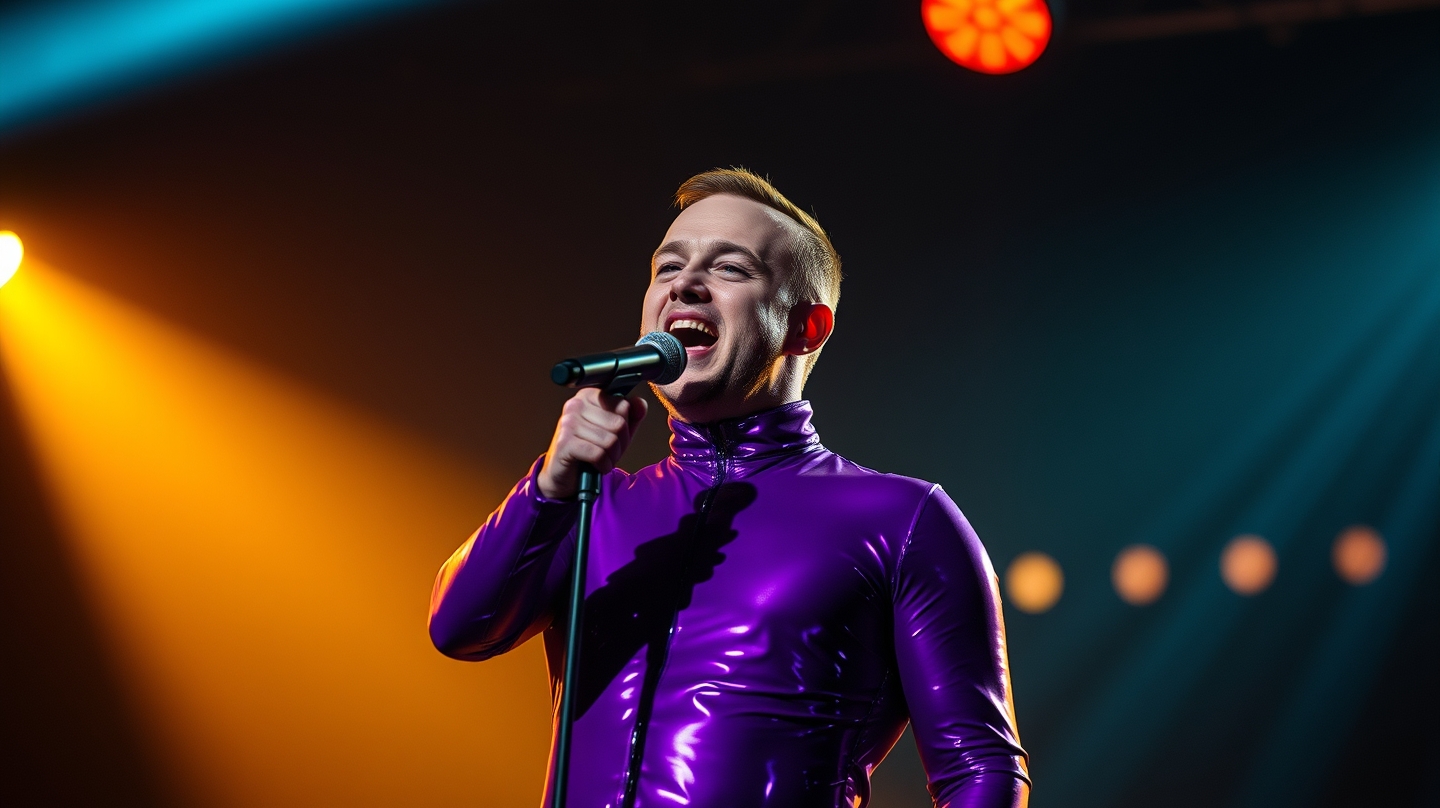
When a comedian known for a niche YouTube series steps onto HBO’s stage, the ripple reaches far beyond a single laugh track. Chris Fleming, the absurdist performer behind the cult hit Gayle, debuted his first streaming special, Chris Fleming: Live at the Palace, in February, and the response has already translated into two undisclosed movie roles and a surge in industry interest.
Fleming’s journey illustrates a broader transition from traditional broadcast pathways to digital‑first distribution. After three years of modest viewership on YouTube, the comedian struggled to secure more than one acting gig per year. The HBO special, filmed in a purple bodysuit designed by Anthony Sartino—who once dressed Prince—served as a catalyst, prompting offers from studios that previously overlooked his online pedigree.
"Before the special, I was doing one acting job a year. Now there are many," Fleming told The Hollywood Reporter at the Just for Laughs festival in Montreal. The comment underscores a market shift: streaming platforms such as Hulu, Amazon, Max, YouTube TV and Netflix are competing fiercely for stand‑up content, turning specials into talent incubators rather than isolated events.
Industry analysts see Fleming’s breakout as a microcosm of the creator economy’s evolution. Creators who once relied on ad‑driven YouTube revenue are now courting studios that value cross‑platform audiences. The digital‑first model reduces the gatekeeping power of legacy networks, allowing talent to build fan bases independently before entering the traditional film pipeline.
For Hollywood, the implication is twofold. First, studios gain access to pre‑validated audiences, lowering marketing risk. Second, the fragmented media environment means no single project can guarantee long‑term relevance, pushing talent to diversify across formats—stand‑up specials, series, and feature films. Fleming’s upcoming roles, one of which required him to shave his signature wolf cut for a “normie husband” character, exemplify this diversification.
From a structural perspective, the rise of streaming specials creates a new talent pipeline that bypasses the old audition‑and‑pilot model. Casting directors now monitor metrics such as viewership spikes, social engagement, and platform‑specific subscriber growth. This data‑driven approach aligns with the broader industry trend toward measurable audience insights, a practice once limited to big‑budget releases.
Real‑world implications are already evident for emerging creators. A comedian with a modest subscriber count can now pitch a half‑hour special directly to a streaming service, leveraging analytics to demonstrate market potential. The payoff, as Fleming’s experience shows, can be immediate: increased bargaining power, higher visibility, and entry into mainstream film projects.
Nevertheless, the shift also raises questions about sustainability. As the market saturates with digital specials, distinguishing genuine talent from algorithm‑favored content becomes more challenging. Fleming acknowledges this reality, noting that “no project or performance can hold lasting firepower” in an era where audiences fragment across dozens of platforms.
Ultimately, Fleming’s HBO debut signals a turning point where the line between online creator and Hollywood star blurs. The success of his special not only revitalized his career but also offers a template for how digital‑first distribution can accelerate the creator economy, reshaping talent acquisition, content financing, and audience engagement across the entertainment ecosystem.




















