Volvo's electric odyssey: from retooling old chassis to daring a brand rebirth – Must Read!
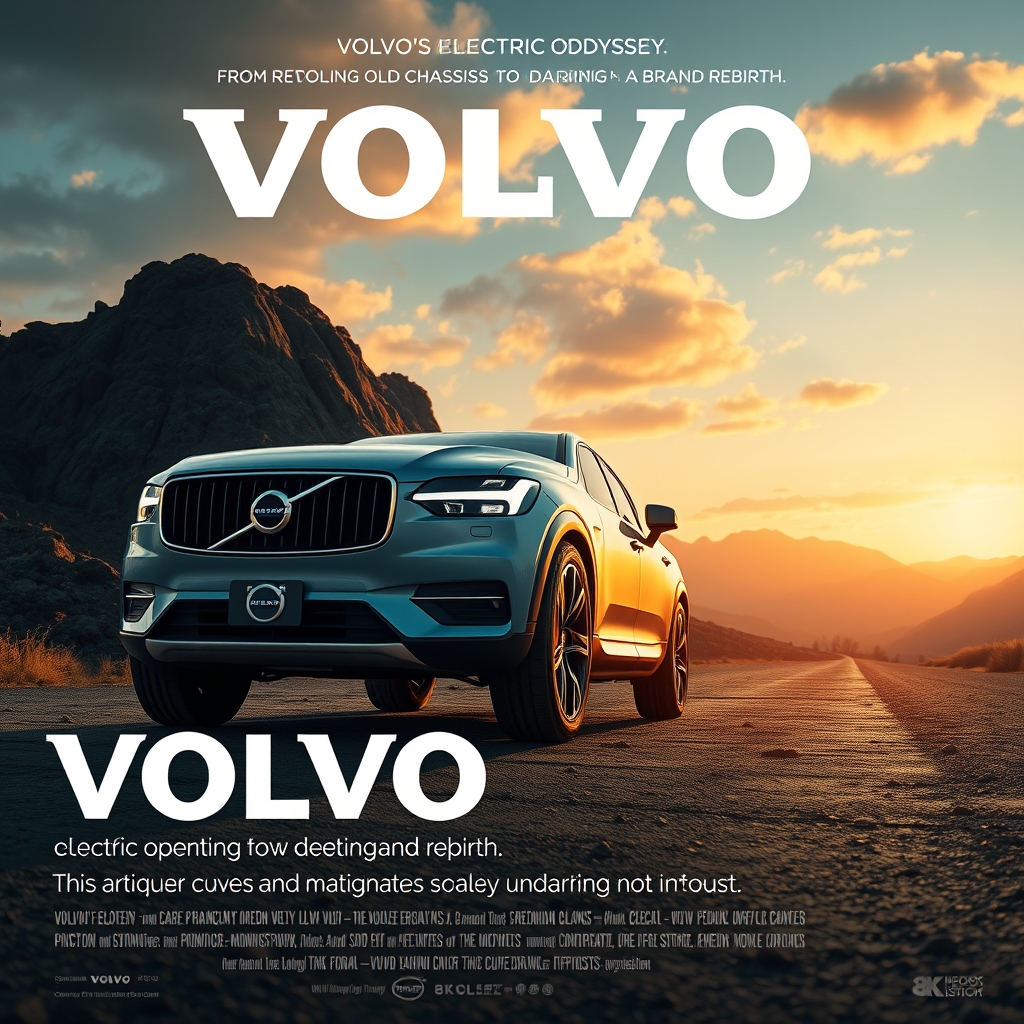
Volvo's venture into electric mobility feels less like a corporate checklist and more like a cultural experiment, a series of bold sketches on the canvas of a brand known for restraint and safety. By grafting the DNA of its internal-combustion platform onto the EX40 and its sibling EC40, the Swedish automaker whispered that familiarity need not be a cage, that the familiar silhouette can be re-imagined without abandoning its roots. The result is a vehicle that feels both recognizably Volvo and unmistakably new, a quiet assertion that the transition to electric can be an evolution rather than a revolution. The EX90, meanwhile, stands as a rolling showcase of what the future could look like when a brand lets technology take the wheel. Its sleek, almost futuristic silhouette hides a trove of advanced systems, turning the SUV into a moving laboratory where safety, sustainability and connectivity intersect. It is less a commercial offering than a statement piece, a hint that Volvo sees the electric SUV not just as a market segment but as a platform for pushing the envelope of what a family car can do. Then there is the EX30, a radical departure that feels like a manifesto. Stripped of the conventional cues that have long defined Volvo, it embraces minimalism with a playful edge, suggesting that the brand is ready to shed its historic image and adopt a more youthful, adventurous persona. In doing so, Volvo is not merely adding another electric model to its lineup; it is rewriting the narrative of who it is and who it wants to become in a world that increasingly expects cars to be as much about identity as about transportation.




















