Isolation echoes through the audio-driven horror of 'Undertone,' Ian Tuason's haunting debut
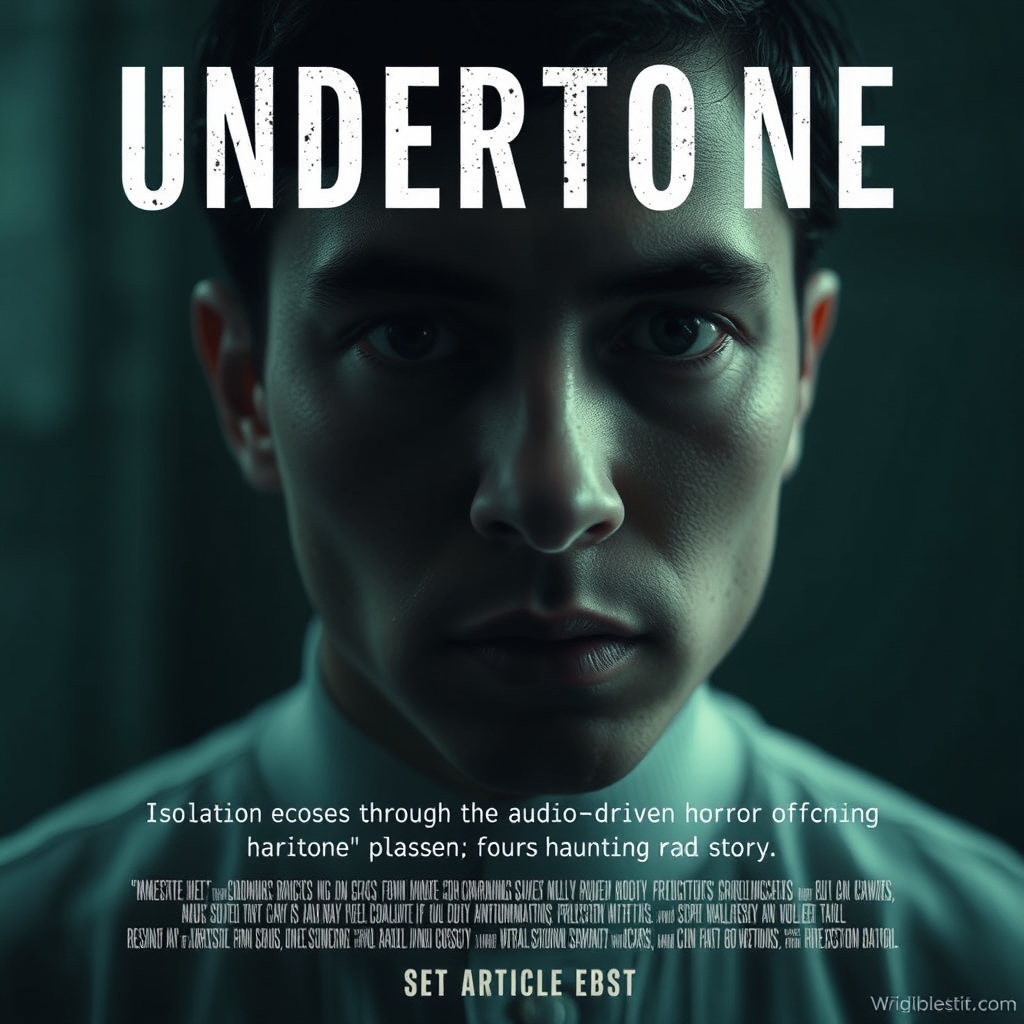
When the lights dim and the headphones settle over the ears, the world contracts to a single, aching frequency. Ian Tuason's first feature, an audio-driven horror tapestry titled "Undertone," invites listeners into a cramped apartment where a weary podcast host hovers beside her mother's fading breath. The house itself becomes a character, its walls reverberating with the low hum of grief that never quite rises to a scream. The film's terror does not roar; it whispers, slipping through the cracks of everyday routine. As the host's voice trembles over the mic, the audience feels the weight of each unspoken word, the ache of a daughter caught between professional obsession and filial duty. Tuason lets silence speak louder than any monster, using subtle shifts in sound to suggest a presence that is both intimate and alien. Every creak of the floorboards, every distant siren, is filtered through the lens of loss, turning ordinary noises into a symphony of dread. The director's hand is light, never forcing a jump scare, instead coaxing the audience to lean in, to hear the pulse of a heart that refuses to stop beating even as the body beside it slows. In that space, isolation becomes palpable, a cold companion that follows the protagonist wherever she goes. By the time the final breath is drawn and the headphones are lifted, the lingering echo is not the memory of a horror scene but the after-image of a profound, solitary mourning. "Undertone" leaves its listeners with the unsettling realization that sometimes the most terrifying hauntings are the ones that live inside us, humming quietly beneath the surface.




















