Vera Miao's eerie doll in 'Rock Springs' transforms classic horror into personal confession
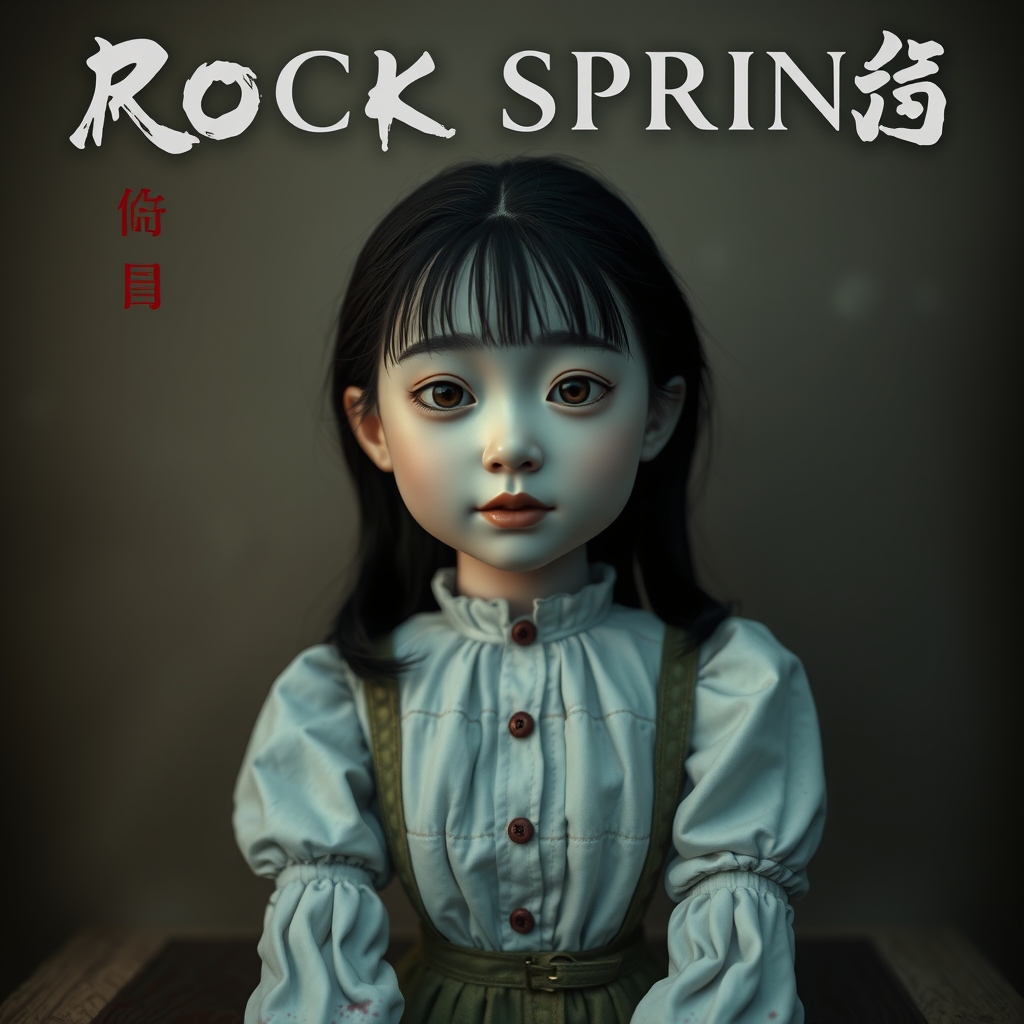
In the dim glow of a desert motel, a porcelain doll sits on a cracked nightstand, its glassy eyes fixed on nothing and everything at once. The figure feels like a love letter to the haunted toys that have haunted cinema for decades, yet in Vera Miao's debut, the doll becomes a mirror that reflects the director's own obsession with the genre. Its cracked smile hints at the way familiar scares can be reshaped into something intimate, turning a trope into a personal talisman. As the camera lingers on the silent sentinel, the audience senses a quiet conversation between creator and fan, where the horror of the past is repurposed to explore identity, memory, and the lingering echo of childhood fears. The doll's presence is less about jump scares and more about the uncanny feeling of seeing oneself in the shadows of beloved monsters, making the film feel like a whispered confession rather than a conventional fright.




















