Sanders slams TikTok deal as crony capitalism, warns of Oracle's grip on the feed
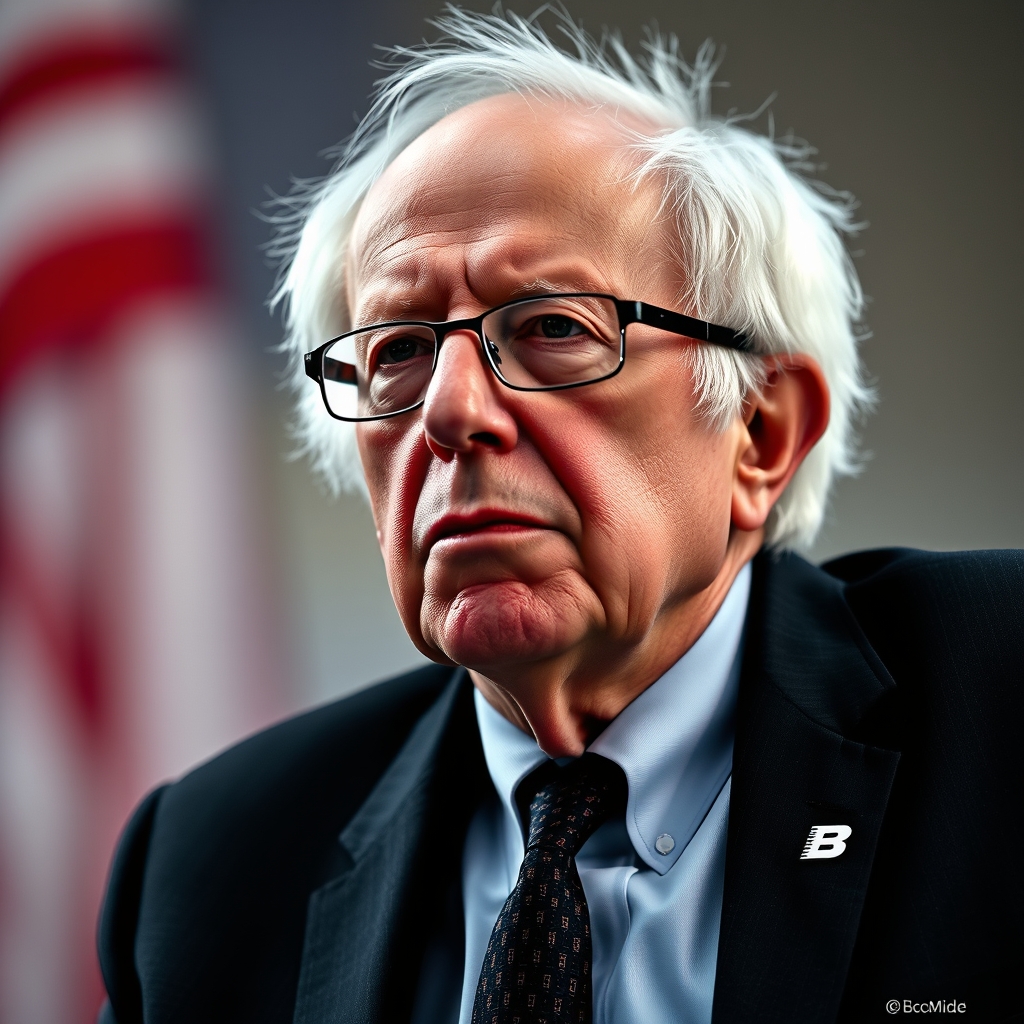
In a blistering speech that blended economic doctrine with a pop-culture reference, a senior senator painted the administration's plan to reshape TikTok's ownership as a textbook case of crony capitalism. He argued that the maneuver, which places the video platform under the sway of a billionaire known for his aggressive corporate tactics, turns a foreign-born app into a lever for private profit rather than a public good. The critique hinges on the notion that the power to steer the algorithm-deciding what millions see and share-should not be handed to a single magnate whose interests lie far from the everyday user. By framing the deal as a giveaway to a tech titan, the senator invites a broader conversation about how government can become a conduit for elite enrichment, especially when the same administration has championed deregulation across other sectors. The rhetoric taps into a longstanding suspicion of the revolving door between Washington and Wall Street, suggesting that the real question is not just who owns a piece of the company, but who ultimately controls the flow of ideas. As the debate unfolds, it underscores a cultural moment where the line between national security, corporate influence, and the shaping of public discourse is increasingly blurred, leaving citizens to wonder whose values will be reflected in the next swipe of their screens.




















