Discover: CBS pulls 60 Minutes interview with Peter Attia amid fallout from Epstein file revelations
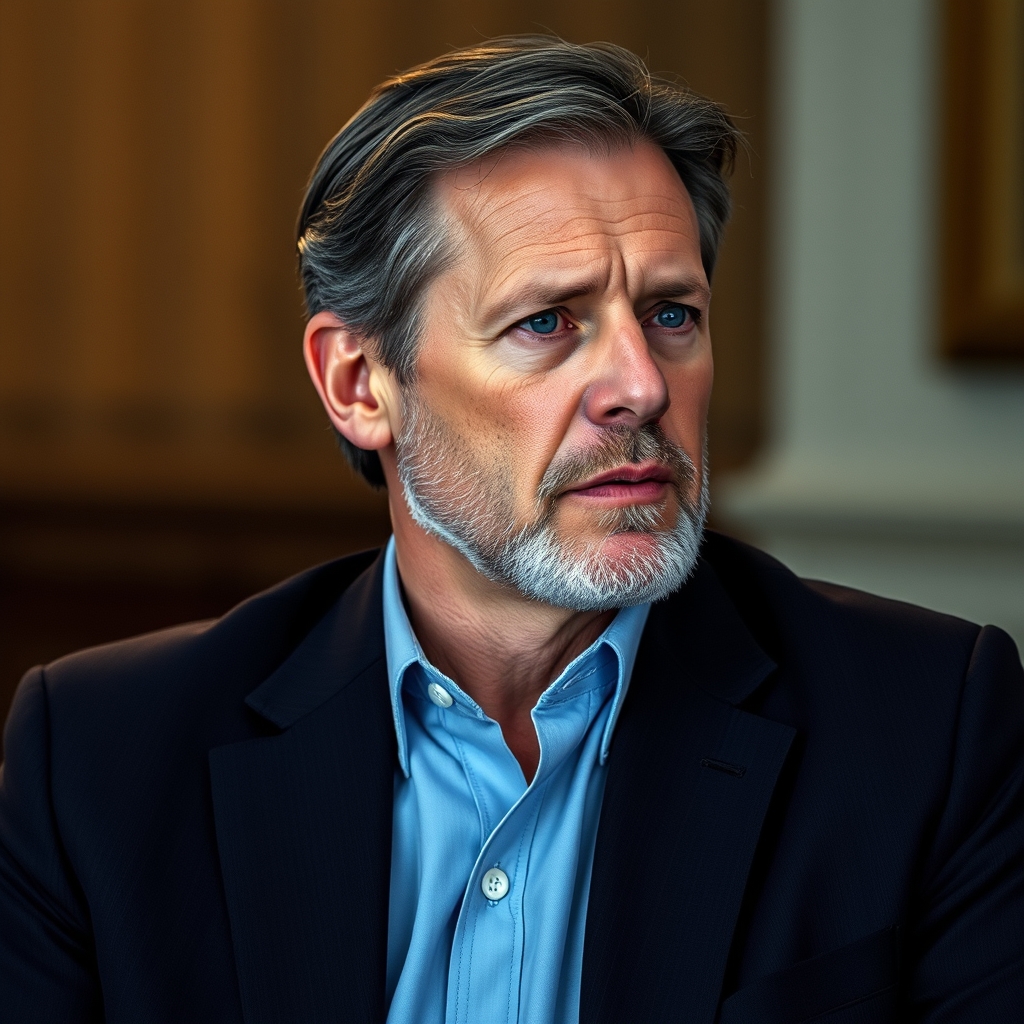
When a network decides to erase a piece of its own history, the act feels less like a simple programming tweak and more like a cultural confession. The removal of a conversation between Peter Attia and CBS correspondent Norah O'Donnell has sparked a quiet storm, not merely because a medical mind was silenced, but because the reasons behind the silence reveal how deeply the past can infiltrate the present. Attia, a figure whose work straddles the worlds of science, wellness and public discourse, found himself thrust into the glare of a sprawling archive that exposed countless connections to a notorious figure. The sheer volume of those mentions-so extensive they could fill a small library-prompted CBS to reassess the segment's place in its lineup. In doing so, the network entered the fraught territory where journalistic curiosity collides with the court of public opinion. What makes this moment noteworthy is not the act of pulling a story, but the underlying calculus that guides such decisions. Is the network protecting its brand, responding to viewer unease, or attempting to preempt a deeper conversation about accountability? The answer likely weaves through all three, reflecting a media landscape that now measures relevance not just by ratings but by the moral weight of every name that surfaces in a scandal. The episode also raises a broader cultural question: how should we treat the work of individuals whose names appear in damning documents, especially when the context of those appearances remains murky? In a world where information spreads faster than nuance, the impulse to excise rather than examine can feel both protective and punitive. Ultimately, the disappearance of that interview serves as a reminder that media institutions are not just conveyors of stories; they are also custodians of collective memory, constantly negotiating the line between transparency and trepidation.




















