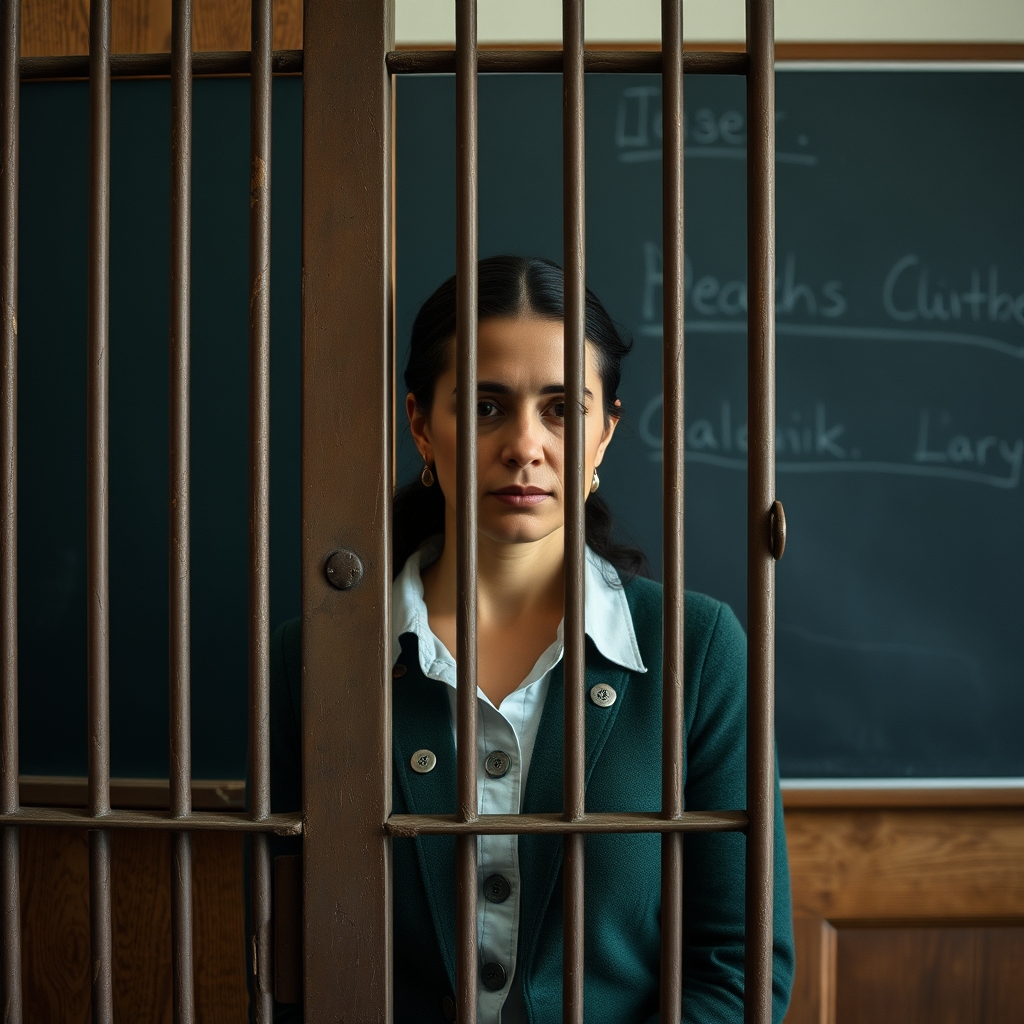
From Classroom to Cell: The Premise That Stands Out
In her latest collaboration with director Mahnaz Mohammadi, the Turkish actress steps into the shoes of a schoolteacher whose conviction lands her behind bars. The narrative follows the educator's quiet defiance as she confronts a regime that criminalises belief, forcing her to weigh personal safety against the moral imperative to speak out. The film's central dilemma—whether to remain silent for survival or to amplify a silenced voice—resonates far beyond its fictional setting, echoing real‑world struggles for academic freedom.
Why the Story Matters Now
While the plot is rooted in a specific cultural context, its themes are universal. In an era where educators worldwide face increasing pressure, the film becomes a mirror reflecting broader anxieties about censorship, state power, and the cost of dissent. Critics have likened the work to the quiet intensity of Asghar Farhadi's dramas, yet note that Mohammadi injects a stark, almost lyrical visual language that distinguishes it from the more conversational tone of her predecessors.
Crafting a Visual Language of Confinement
Mohammadi's directorial choices lean heavily on claustrophobic framing, often positioning the protagonist behind narrow windows or within dimly lit corridors. The cinematography, handled by veteran director of photography Gökhan Tiryaki, uses muted palettes punctuated by bursts of red—a symbolic nod to both danger and the blood of resistance. In an interview with Variety, Mohammadi explained, "I wanted the walls to feel like characters themselves, whispering the same questions the teacher asks."
Performance Nuance: Sözen's Subtle Power
Melisa Sözen brings a restrained intensity to the role, letting small gestures— a lingering glance at a chalkboard, a trembling hand on a cell door—carry the weight of the narrative. Film scholar Dr. Leyla Demir observes, "Sözen's performance is less about overt rebellion and more about the quiet persistence that fuels it." This approach aligns her with the likes of Juliette Binoche in Certified Copy, where internal conflict is conveyed through measured physicality.
Panorama Debut and International Reception
Premiering in the Panorama section of the Berlin Film Festival, the film has already sparked conversations among jurors and audiences alike. Early reviews praise its "unflinching look at the cost of conscience" and highlight its relevance to ongoing debates about academic liberty across Europe and the Middle East. The festival's programming director, Andreas Horvath, noted, "We're looking for stories that challenge power structures, and this film does so with both elegance and urgency."
Comparative Landscape
When placed beside other recent festival entries—such as the politically charged All the Beauty I Have Seen and the more introspective Quiet Days—the film distinguishes itself through a blend of stark realism and poetic symbolism. Its focus on a singular, gendered experience adds a layer of nuance often missing from broader protest narratives.
As the Berlin audience files out, the lingering question remains: how far will individuals go when the walls close in, and what will be left of the ideas they once taught? The film does not offer easy answers, but it insists on keeping the conversation alive, reminding viewers that the fight for intellectual freedom is as personal as it is political.




















