A stand for remembrance
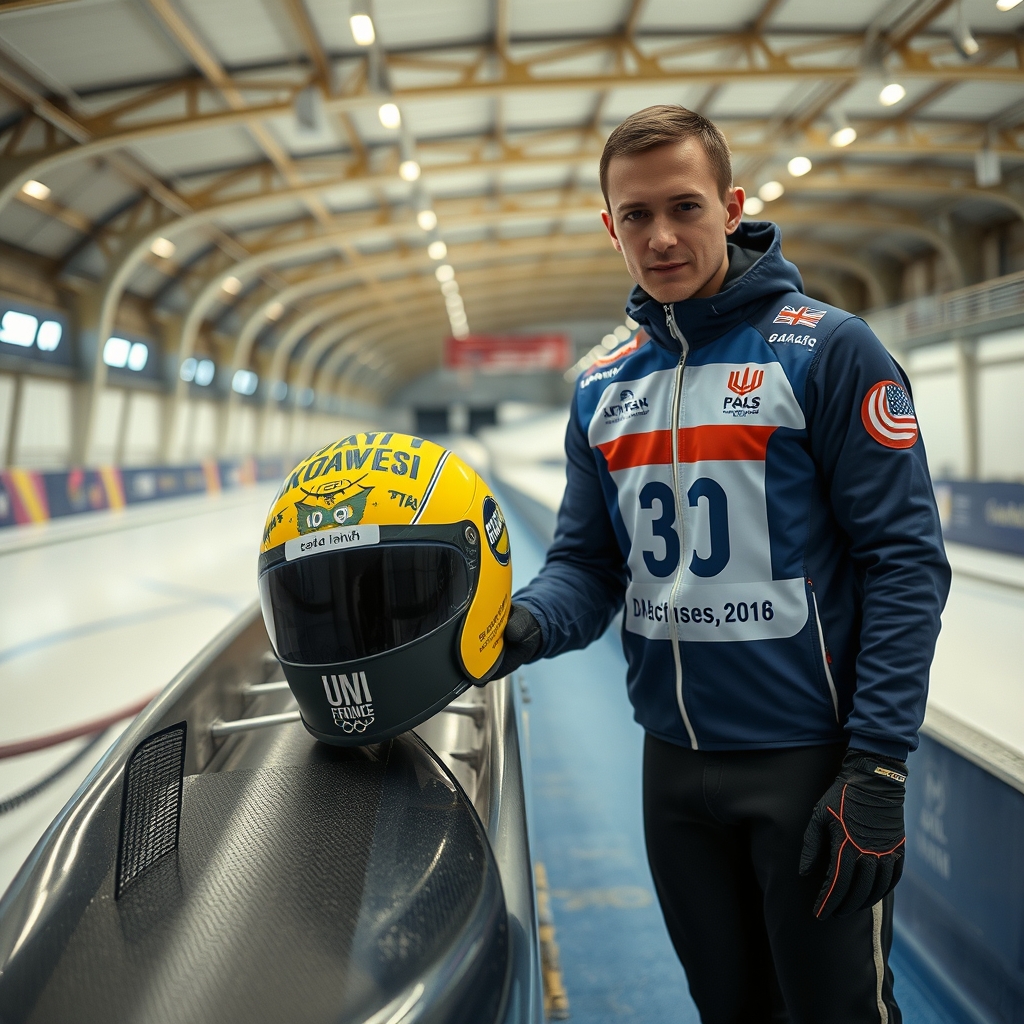
When Vladyslav Heraskevych arrived at the Olympic village with a helmet bearing the names of more than twenty Ukrainian athletes and coaches killed in the war, he carried more than a piece of equipment. The black‑and‑white design, stitched with the names of the fallen, has become a mobile memorial for a nation still reeling from loss. For Heraskevych, wearing the helmet is a personal promise to keep those sacrifices visible on the world stage.
The helmet's symbolism
"Every time I strap it on, I feel the weight of those who never got to compete," the 24‑year‑old told a Kyiv‑based sports journalist. The helmet was crafted by a volunteer collective of Ukrainian designers who wanted to honor the victims without breaching the International Olympic Committee's (IOC) rule against overt political statements. Yet the line between remembrance and politics is thin, especially when the conflict is ongoing and the victims are still a living memory for their families.
IOC's neutrality policy meets reality
The IOC's charter mandates that the Games remain a neutral arena, free from political propaganda. Late on the eve of the competition, a delegation from the committee approached Heraskevych with a request to replace the commemorative helmet with a standard‑issue model, citing the rule that symbols tied to current conflicts could be interpreted as political messaging.
Negotiations and the final refusal
According to a spokesperson for the Ukrainian National Olympic Committee, officials attempted a compromise, offering to place the names on a separate plaque inside the athletes' village. Heraskevych, however, declined, stating that the helmet is "the only place these names can travel with me into the arena." The IOC's request, while technically within its guidelines, sparked debate among sports ethicists about the balance between athlete expression and institutional neutrality.
Implications for athletes from conflict zones
Heraskevych's decision underscores a broader dilemma facing competitors from nations in turmoil. For many, sport is a platform to draw attention to suffering at home, yet the governing bodies that organize global events often prioritize a sanitized image of unity. Scholars at the University of Lausanne note that the incident may set a precedent, prompting the IOC to revisit how it interprets its own statutes in the context of modern conflicts.
Perspective from the field
"We must ask whether the rule protects the Games or silences those who have the most to say," said Dr. Elena Markova, a professor of sport sociology. "When the cost of compliance is erasing the memory of colleagues who died, the price of neutrality becomes morally questionable."
As the skeleton track in Beijing lights up without Heraskevych's presence, the conversation he sparked continues to reverberate, reminding the international community that the symbols athletes choose to wear are often inseparable from the stories they carry.




















