Global Cinema Embraces K‑Pop Live Events
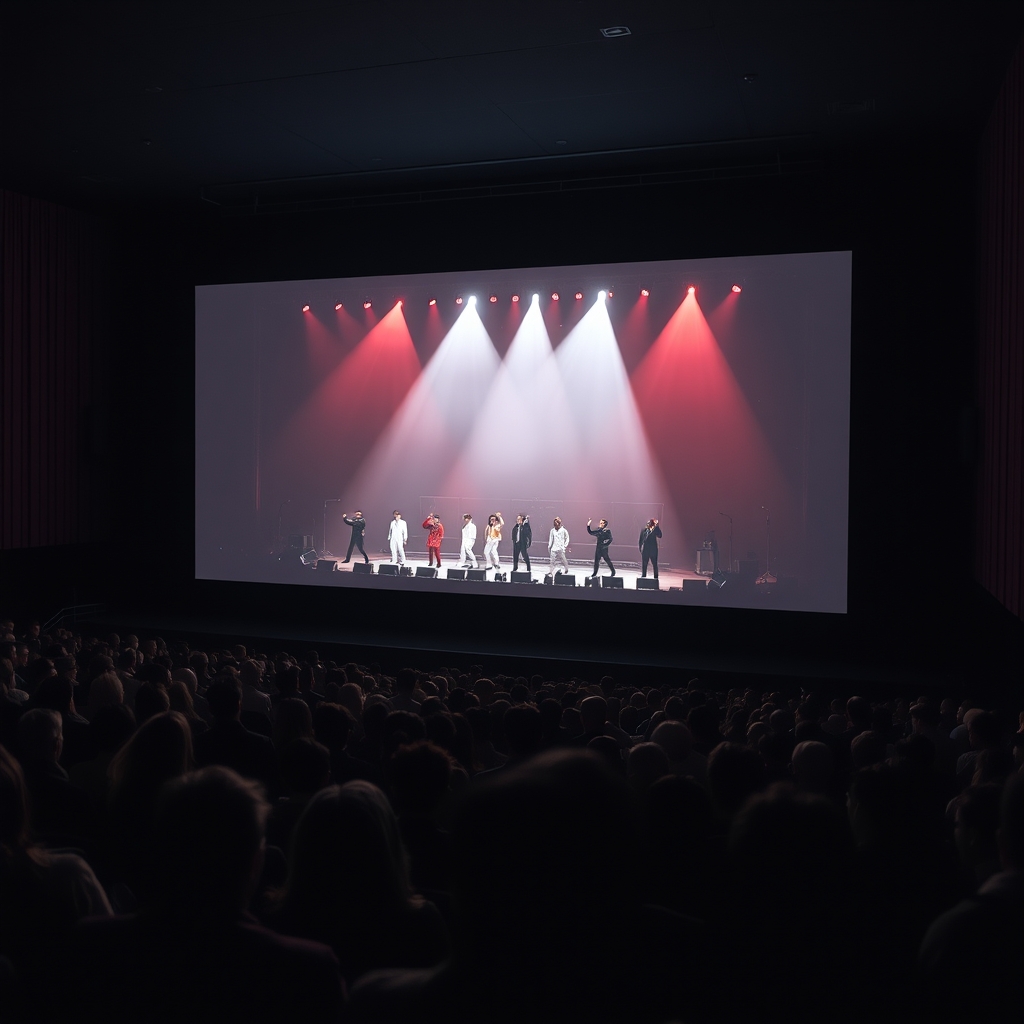
In a move that underscores the growing convergence of music and cinema, a major film distributor has joined forces with South Korea's leading entertainment conglomerate to stream two full‑length BTS concerts to movie theaters around the world. The live events, slated for early April, will be projected from the group's home base in Goyang and from a venue in Tokyo, offering fans a hybrid experience that blends the immediacy of a concert with the communal atmosphere of a darkened auditorium.
How the Partnership Was Structured
The collaboration brings together a distribution specialist known for its event cinema releases and the powerhouse behind BTS's global brand. By leveraging the distributor's network of over 4,000 screens in more than 50 countries, the concerts will reach audiences far beyond the traditional tour circuit. Production crews will capture the performances with multi‑camera rigs and high‑dynamic‑range imaging, then transmit the feed in real time to participating cinemas, where local projectionists will synchronize the audio‑visual feed with the venue's sound system.
Why Cinema Concerts Matter for K‑Pop
Concert cinema is not a new concept, but the scale at which it is being deployed for a K‑pop act is unprecedented. "This is a watershed moment for concert cinema," said Sarah Lee, senior analyst at Music Futures. "BTS's fanbase, known for its digital savviness, is now being invited to gather physically while still consuming the event through a screen, a model that could redefine revenue streams for artists who traditionally rely on ticket sales alone."
Fan Reception and Cultural Impact
Early reactions on social media suggest that many fans view the cinema screenings as a way to bridge geographic gaps. While some purists argue that nothing can replace the energy of a live venue, others appreciate the opportunity to experience the spectacle in high definition, complete with the immersive surround‑sound systems found in modern multiplexes. Cultural commentators note that the initiative reflects a broader trend of Asian pop culture permeating mainstream Western media channels.
Logistical Challenges and Technical Precision
Streaming a live concert across time zones demands meticulous coordination. Engineers must account for latency, ensure that subtitles for international audiences are synchronized, and manage potential bandwidth fluctuations. The production team has rehearsed the broadcast workflow for weeks, conducting test runs in both Goyang and Tokyo to guarantee that the final product meets the expectations of a fanbase known for its exacting standards.
Future Implications for the Music Industry
Should the cinema events prove financially viable, they could pave the way for other artists to explore similar distribution models. Industry insiders suggest that the hybrid approach could become a staple for acts seeking to maximize exposure while navigating the logistical constraints of global touring. For now, the success of these two screenings will serve as a litmus test for how live music can be reimagined in a post‑pandemic world.




















