Designing for the Shoreline: A New Standard in Coastal Architecture
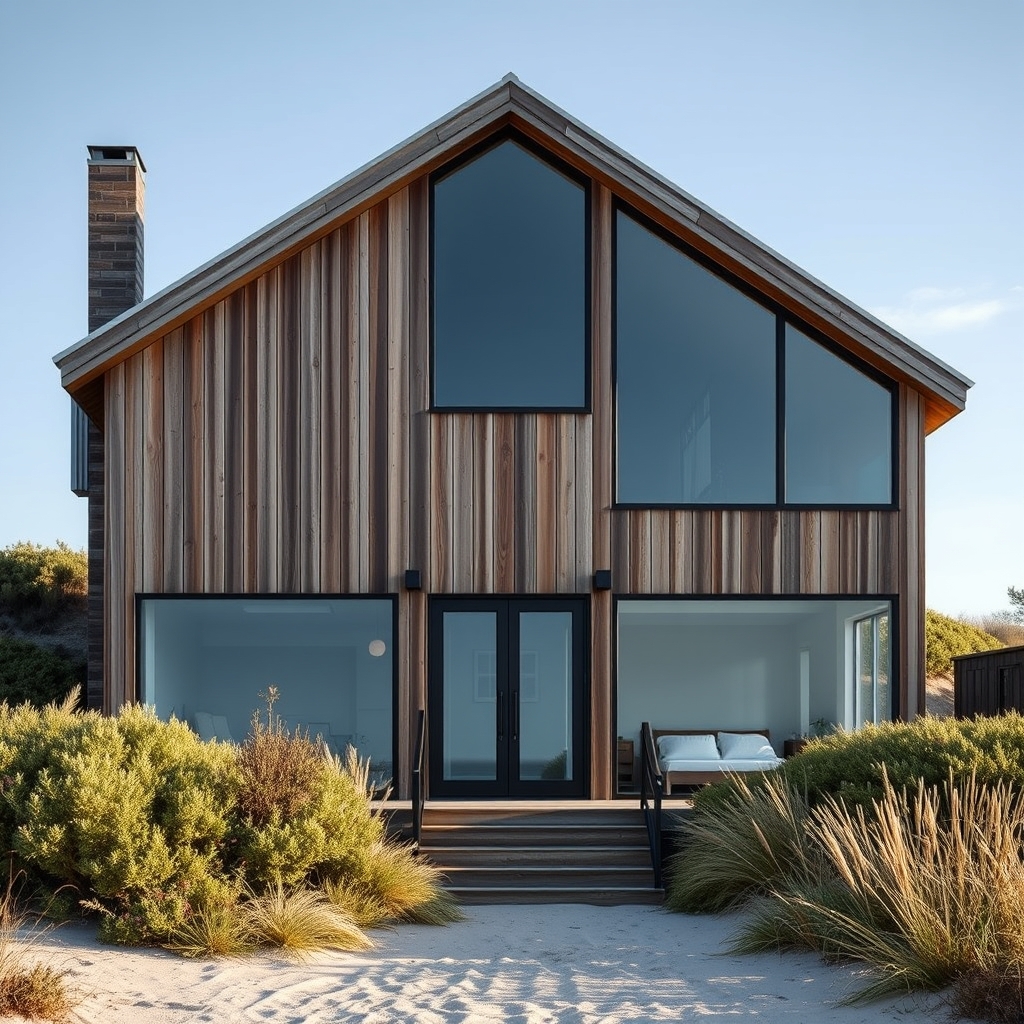
In the seaside suburb of Ocean Grove, a recently completed family residence is drawing attention for the way it marries durability with an airy, open plan. The project, commissioned by a local builder known for his commitment to natural materials, showcases a design‑build partnership that emphasizes long‑term performance in a harsh marine environment. By selecting robust timber, corrosion‑resistant metalwork, and high‑performance glazing, the house is engineered to withstand salt spray, wind‑borne sand, and the occasional storm surge while maintaining a light‑filled interior that blurs the line between indoor and outdoor living.
Material Choices Rooted in Honesty and Longevity
Architectural consultant Maya Patel explains that "the choice of honest, unadorned materials isn't just an aesthetic decision; it's a pragmatic response to the climate challenges of the coast." The timber cladding, sourced from sustainably managed forests, is treated to resist rot and UV degradation, while the steel framework is galvanized to deter corrosion. The large glass panels, featuring low‑emissivity coatings, provide thermal comfort without sacrificing the panoramic views of the surf‑lined horizon.
Market Implications for the Local Property Landscape
Real‑estate analyst Jordan Lee notes that the home's "refined yet resilient aesthetic" aligns with a growing buyer preference for properties that require minimal upkeep yet deliver a premium lifestyle experience. In a market where beachfront plots are scarce, a well‑crafted, weather‑ready residence can command a premium, reinforcing the builder's reputation for delivering quality that translates into lasting value.
Balancing Solidity with Light‑Filled Spaces
The interior layout is organized around a central living area that opens onto a covered deck, creating a seamless flow that encourages family interaction and outdoor engagement. Ceiling heights are generous, allowing natural light to cascade through the expansive windows, while strategic shading devices mitigate glare and heat gain. This balance of solidity and openness reflects a broader trend in coastal design, where the goal is to create homes that feel both anchored and airy.
Future Outlook: Resilience as a Selling Point
As climate considerations become more prominent in property development, projects like this coastal house illustrate how thoughtful design can serve both functional and market demands. The emphasis on quality fabrication, top‑tier brands, and a one‑stop procurement approach not only streamlines construction but also sets a benchmark for other developers aiming to meet the rising expectations of coastal buyers.




















