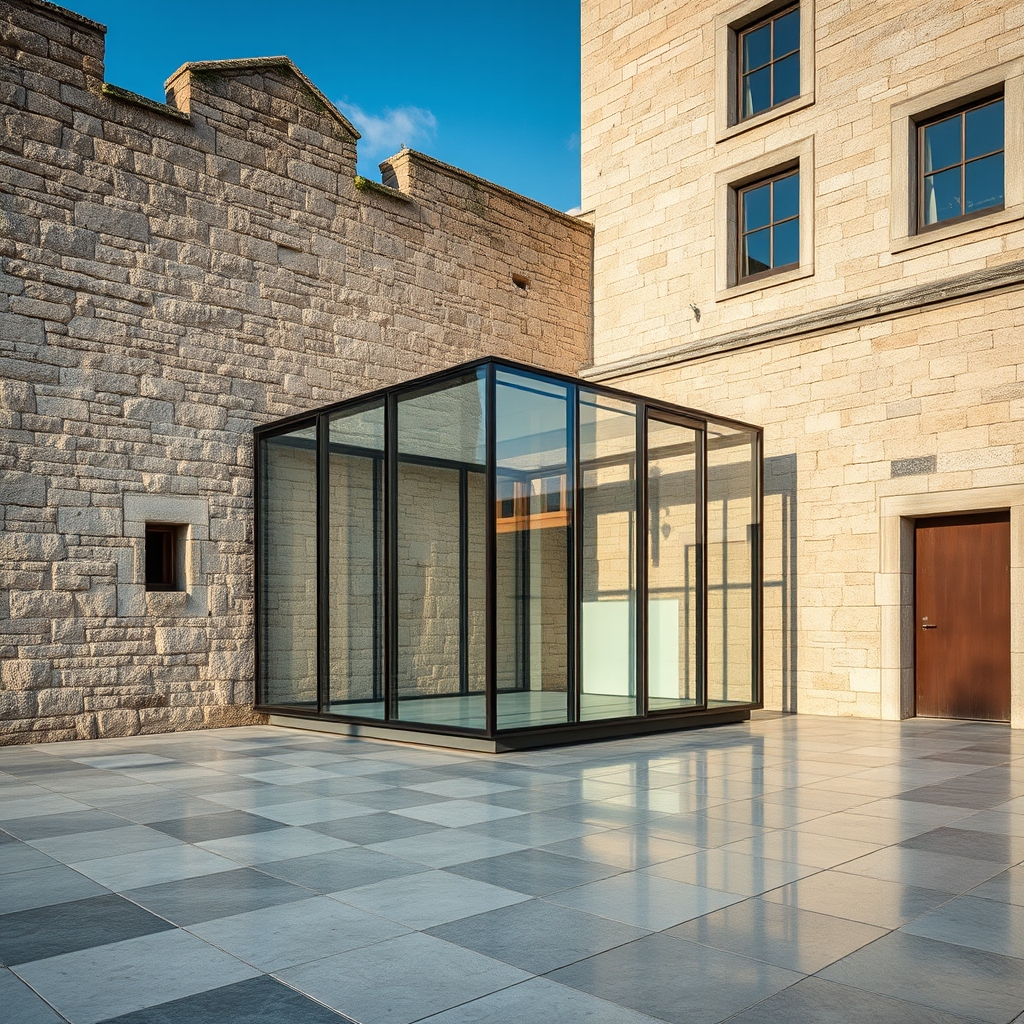
Reimagining Heritage Through Contemporary Design
When a sleek, glass-wrapped extension rises beside a centuries‑old stone colonnade, the dialogue between past and present becomes palpable. Architects tasked with such projects must honor the weight of history while asserting the relevance of current aesthetic ideals. The result is a built environment that feels both rooted and forward‑looking, inviting visitors to contemplate continuity rather than disruption.
The Architectural Grammar of Contrast
In the language of architecture, materiality and proportion serve as punctuation. The new addition's minimalist geometry—clean lines, transparent panels, and a restrained palette—acts as a counterpoint to the weathered masonry's rhythmic arches and ornamental cornices. Critics have likened this approach to the way a modernist poet references classical meter, preserving cadence while introducing fresh syntax.
Contextual Sensitivity and Urban Fabric
Beyond the building itself, the intervention reshapes the surrounding streetscape. By aligning the new roofline with the historic skyline, designers maintain visual cohesion, ensuring that the contemporary volume does not dominate but rather complements the existing silhouette. Urban planners note that such sensitivity can prevent the "architectural shock" that often accompanies ill‑considered renovations.
Public Reception and Cultural Resonance
Local residents, initially skeptical, have begun to appreciate the nuanced interplay. "It feels like the old walls are speaking through a new voice," says a longtime shopkeeper who watches daily commuters pause to photograph the juxtaposition. The project has sparked conversations about how cities can evolve without erasing their identities, a theme echoed in recent exhibitions on adaptive reuse.
Looking Ahead: Lessons for Future Interventions
As municipalities worldwide grapple with aging infrastructure, the case study offers a template: respect the narrative embedded in historic fabric, introduce contemporary elements with restraint, and allow the two eras to converse. The ultimate measure of success lies not in the grandeur of the addition but in the seamless experience it creates for those who move through the space.




















