From personal memory to cinematic meditation
When Ralitza Petrova steps into the Berlinale Forum with her second feature, she brings a personal inventory of loss to the screen. The film follows Mara, a young woman navigating the quiet spaces left behind when her father disappears from the family home. Through lingering shots of empty rooms and the quiet hum of everyday life, Petrova lets the audience feel the weight that daughters inherit in silence.
Why the absence matters
Petrova, who grew up in a household where the male voice was often a phantom, says the story is "not just about a missing man, but about the echo that reverberates in the lives of those who stay." Critics have noted that the film's restrained narrative mirrors the way grief can be both present and invisible, a feeling that resonates across cultures where patriarchal expectations still dominate.
Stylistic choices that speak louder than dialogue
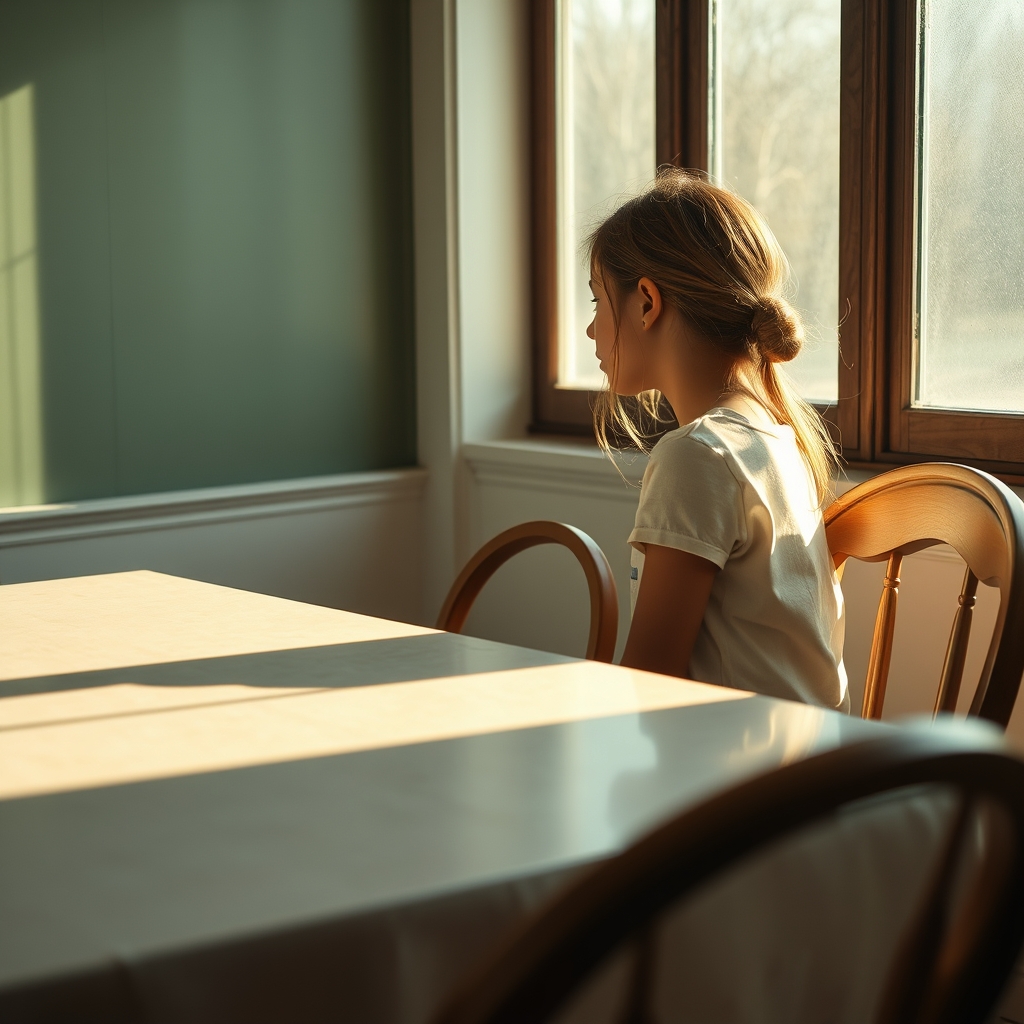
The director employs long takes and natural lighting, allowing moments of stillness to become a language of their own. A recurring visual motif is the empty chair at the family table, a stark reminder that presence is measured not only by who is there, but by who is not. The film's sound design—soft rustles, distant traffic, the faint ticking of a clock—fills the silence, underscoring how daughters often become the keepers of unspoken histories.
Positioning within the Forum program
Within Berlinale's Forum, known for championing bold, auteur-driven works, Petrova's film stands alongside titles that interrogate identity, memory, and societal structures. Compared to previous Forum entries like "The Last of the Sky" and "Echoes of Home," this piece offers a more intimate, gender‑focused lens, inviting viewers to consider how the absence of a father reshapes the emotional geography of a daughter's world.
What audiences can expect
While the narrative is unhurried, it never feels static. Viewers are drawn into Mara's internal landscape, feeling the subtle shifts between resignation and quiet rebellion. The film does not provide tidy resolutions; instead, it leaves the audience with lingering questions about how families reconstruct themselves when a central figure is gone.




















