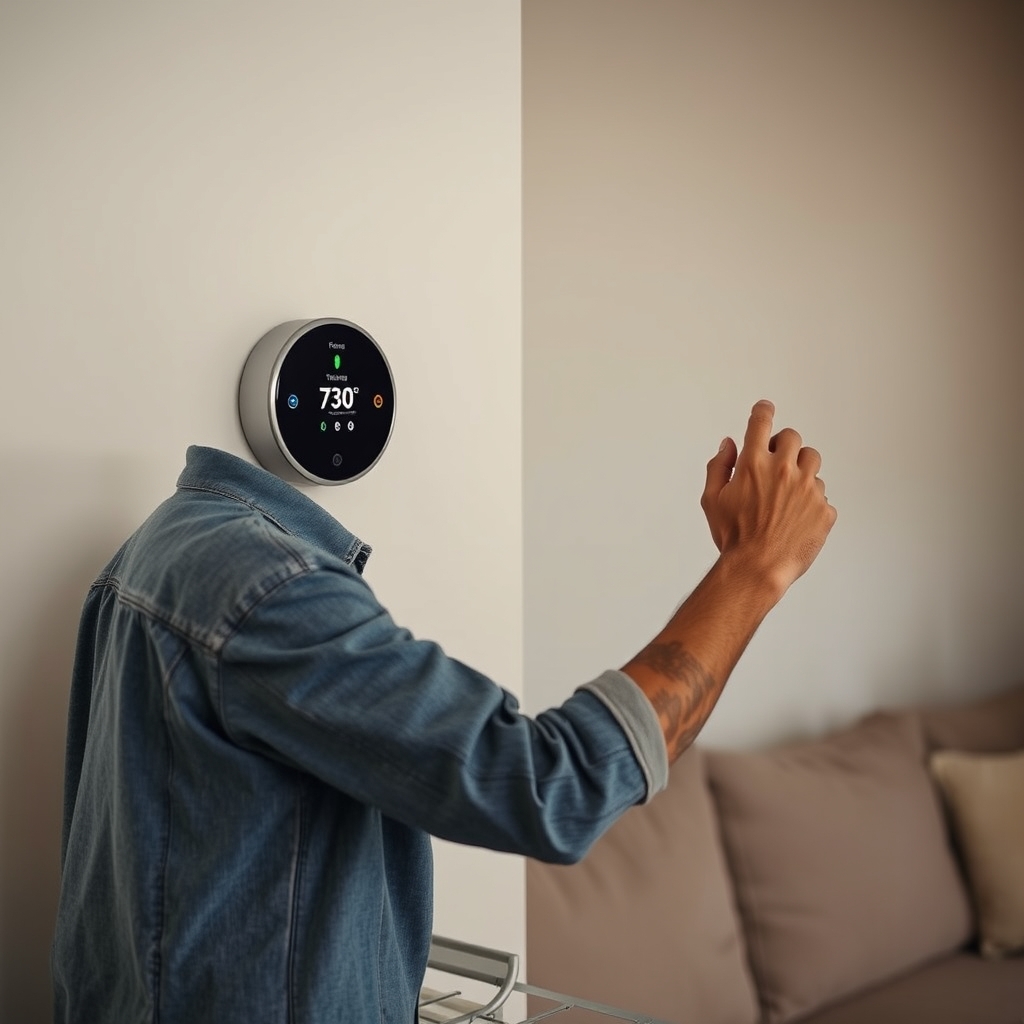
When the nation pauses to honor those who have served, the gratitude often extends beyond ceremonies and medals. In recent years, a quiet revolution has taken place inside the homes of many former service members: the integration of innovative appliances that simplify daily routines and restore a sense of control after years of structured living.
From the Frontline to the Front Door
Military life demands precision, discipline, and an unwavering focus on mission objectives. Transitioning to civilian life can feel like stepping onto a landscape where the rules are less clear. For many, the familiar cadence of a well‑ordered environment is replaced by a cascade of small, yet overwhelming, household tasks. Smart home technology, originally marketed to tech enthusiasts, has found a new, unexpected audience among veterans seeking to re‑establish order in a domestic setting.
Why Smart Appliances Matter for Those Who Served
According to Dr. Lena Ortiz, a psychologist who works with veterans at the Center for Military Transition, "Technology that reduces decision fatigue can be a lifeline for those adjusting to civilian routines. When a device automatically adjusts lighting or temperature, it frees mental bandwidth for more meaningful activities." This perspective is echoed by former infantryman Marcus Reed, who installed a voice‑controlled coffee maker after his discharge. "I used to rely on strict schedules in the field. Having a machine that starts my brew at a set time feels like a small piece of that structure returning," he says.
The Devices Making a Difference
From refrigerators that track expiration dates to washing machines that can be started remotely, the ecosystem of connected appliances is expanding rapidly. Companies are also tailoring features to address specific challenges faced by veterans, such as mobility limitations or sensory sensitivities.
Voice‑Activated Assistants and Safety Sensors
Amazon's Echo and Google Nest hubs have become central hubs for many households, allowing users to control lighting, thermostats, and security systems with a simple phrase. For a veteran with limited mobility, the ability to say "turn off the lights" instead of navigating a dark hallway can be a profound improvement in safety and independence. Additionally, smart smoke detectors that send alerts directly to a smartphone ensure that emergencies are addressed promptly, even if the homeowner is away or unable to hear traditional alarms.
While the technology is not a panacea, its adoption signals a broader cultural shift: recognizing that gratitude can be expressed through practical support that enhances daily living. As more service members share their experiences, manufacturers are listening, refining designs to be more inclusive, and ultimately, turning smart homes into sanctuaries for those who have defended our freedoms.




















