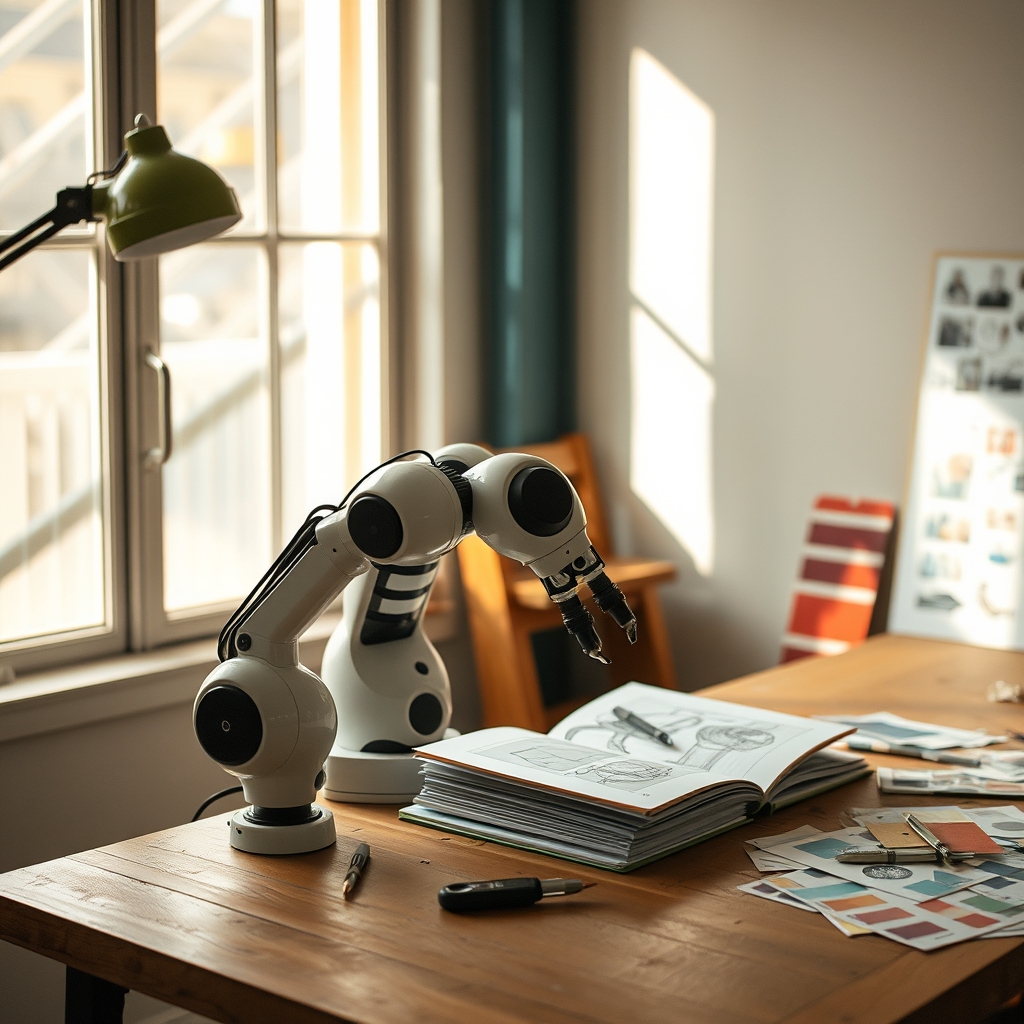
Designing the Quiet Dialogue Between Human and Machine
In a modest studio on the outskirts of Milan, a collaborative robot arm moves with the restraint of a seasoned artisan. Its movements are limited not by raw power but by the boundaries set in the surrounding layout—clear pathways, defined zones, and a rhythm that respects the human presence.
The Geometry of Trust
The safety of force‑limited cobots hinges on spatial choreography. When designers treat the workspace as a stage, each element—guard rails, sensor fields, and even the placement of a coffee mug—contributes to a shared narrative of predictability. This reframes the robot from a potential hazard to a silent partner whose reliability is written into the room itself.
From Factory Floor to Living Room
Historically, industrial automation demanded isolation; today's lifestyle‑focused environments invite integration. The shift mirrors a broader cultural move toward transparent technology, where the invisible becomes visible through intentional design. A small workshop in Turin, where a tailor pauses to adjust a fabric swatch while the arm steadies a cutting tool, illustrates this evolution.
Why It Matters
Because the safety of these machines determines whether they become ordinary tools or sources of anxiety, their acceptance rests on the quality of the surrounding space.
Looking Beyond the Immediate
The conversation about cobot safety is, at its heart, a conversation about how we choose to share our environments. As we learn to map boundaries that protect both flesh and circuitry, we also map the terms of our coexistence with the technologies we invite into daily life.
Our shared spaces will define how humanity lives alongside machines.




















