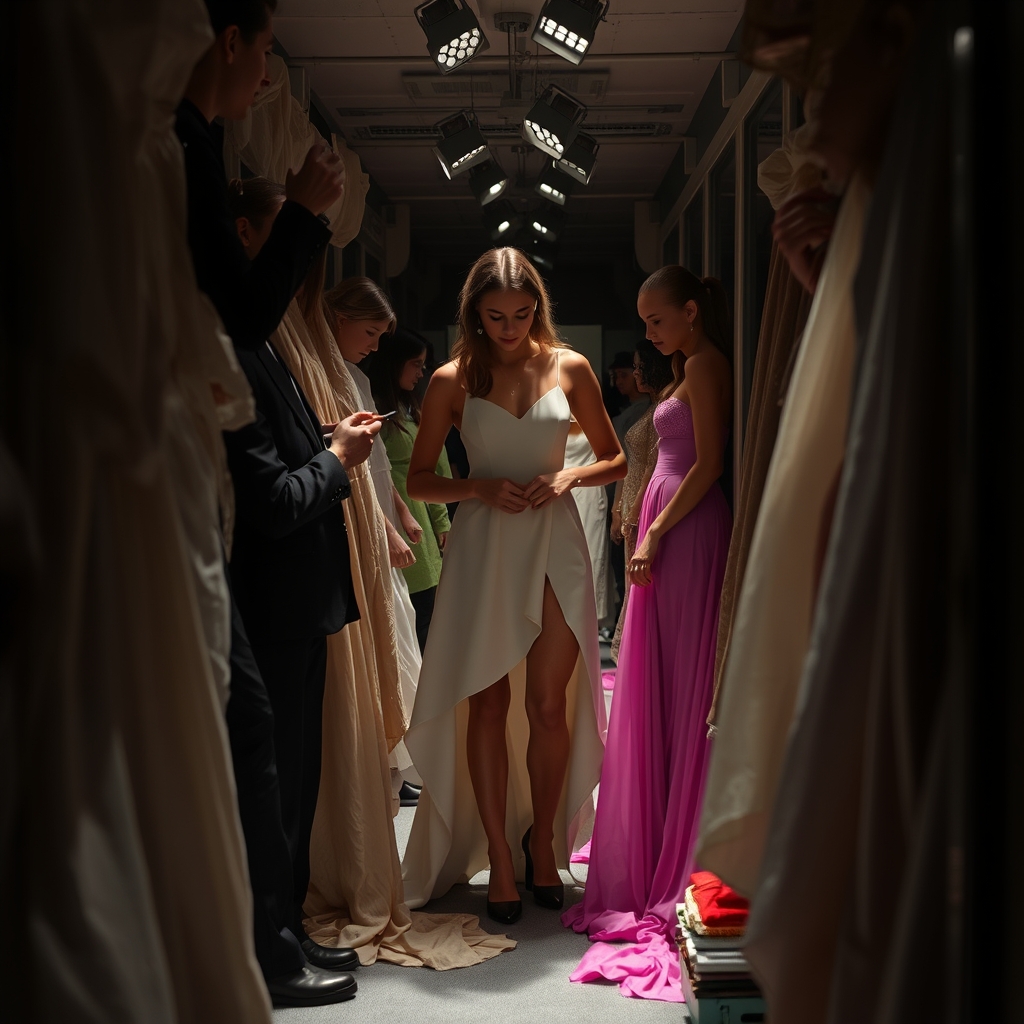
Sergio Hudson, Christian Siriano, and Lorena Pipenco are leading a new chapter for New York Fashion Week, insisting that the shows this season prioritize diversity, experimentation, and an inventive spirit capable of matching the historic weight of European runways. Their collective vision, articulated during a panel at the Council of Fashion Designers of America headquarters, calls for casting models of varied ages, ethnicities, and body types, while encouraging designers to push material boundaries and narrative structures. The designers argue that New York must evolve from a commercial showcase into a cultural laboratory, one that can stand shoulder‑to‑shoulder with Paris and Milan without sacrificing its own street‑wise edge.
Designers' Vision for an Inclusive Runway
The backstage corridor thrummed with the faint click of heels on concrete, a metronome for the conversation about change. When a young model lingered at the edge of the runway, fingers trembling as she adjusted a strap, the pause became a micro‑statement of the tension that underlies the season: the pull between market viability and artistic risk. Hudson's use of reclaimed denim, Siriano's sculptural silk, and Pipenco's kinetic accessories each embody a gamble—investing in novelty that may not translate immediately to sales.
Balancing Market Demands with Creative Freedom
This structural tension mirrors a broader cultural shift: fashion's gradual migration from pure consumption toward a platform for social dialogue. By foregrounding bodies that have long been marginalized, the designers are not merely adding variety; they are redefining the parameters of desirability that have guided the industry for decades. The move also positions New York as a laboratory of ideas, challenging the long‑standing narrative that European capitals alone dictate avant‑garde standards.
Why does this matter? Because it redefines who gets to shape the global fashion narrative, altering both representation on the runway and the commercial calculus that follows.
The city's skyline, a stitched tapestry of ambition, loomed beyond the studio windows, reminding the creators that their work lives at the intersection of art and commerce. As the lights dimmed and the first model stepped forward, the collective breath of the room held a quiet promise: a fashion week that can be both profitable and profoundly progressive.
In the weeks ahead, the ripple of this vision will be measured not just in headlines but in the everyday wardrobes of a more inclusive audience.
New York's runway is poised to become a lasting site of cultural negotiation.




















