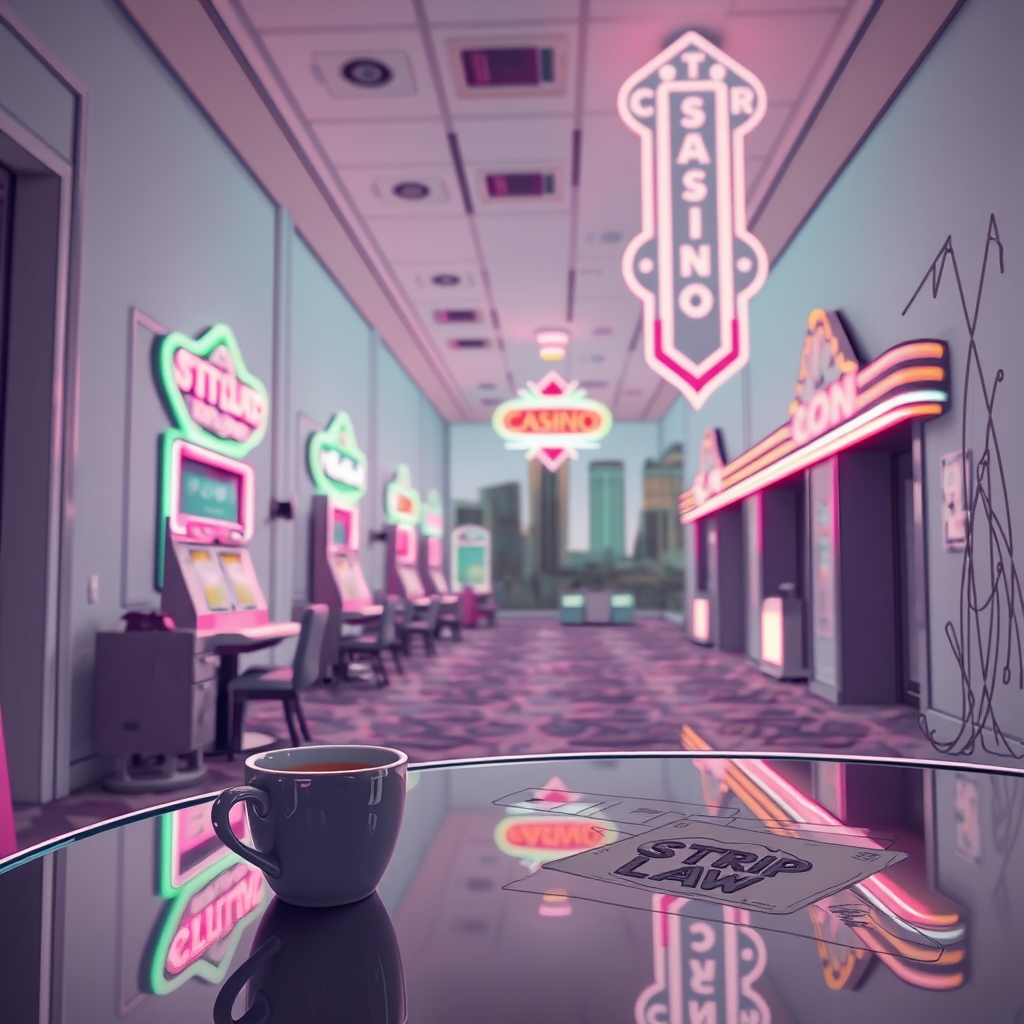
Netflix's new animated series Strip Law brings the bright, chaotic world of Las Vegas to the screen in a stylized, comic‑book aesthetic. The show opens with a sweeping view of the Strip at dusk, neon signs buzzing like a chorus of electric fireflies, while a rookie deputy hesitates at a casino doorway, his badge hovering as the clatter of slot machines fills the air. This moment of indecision anchors the series in a tangible human experience, even as the animation exaggerates the city's excesses.
Why animation fits the Strip
The choice of animation is not merely decorative; it creates a structural tension between authenticity and stylization. Live‑action depictions of Vegas often rely on glossy realism, but animation permits a satirical lens that can amplify the city's myth without being constrained by physical set pieces. By rendering the neon glow in pastel washes, the creators expose the veneer of glamour while preserving the underlying grit.
Beyond the visual, the series participates in a broader cultural shift toward adult animation on streaming platforms. Over the past decade, shows like BoJack Horseman and Big Mouth have shown that animated formats can host sophisticated, even political, commentary. Strip Law extends this trajectory, using the mythic allure of Las Vegas to explore themes of ambition, deception, and the thin line between law enforcement and performance.
The series matters because it redefines how television can critique a city's mythic allure through the freedom of animation, offering viewers a fresh perspective on a familiar landscape.
From neon to narrative
In its first episode, a neon‑lit casino corridor stretches into the distance, the camera pausing on a coffee cup left on a glass table—an ordinary object that feels out of place amid the spectacle. This deliberate texture grounds the satire, reminding the audience that behind every flashing sign lies a mundane reality. The tension between the glossy exterior and the ordinary interior reflects a larger societal conflict: the desire for instant spectacle versus the need for authentic connection.
As the series progresses, each episode peels back another layer of the city's performance, inviting viewers to question what is real and what is staged. The animation's flexibility allows the creators to exaggerate, compress, or distort moments in ways live‑action cannot, making the critique both sharper and more accessible.
In the end, the animated Strip reflects our own restless imagination.




















