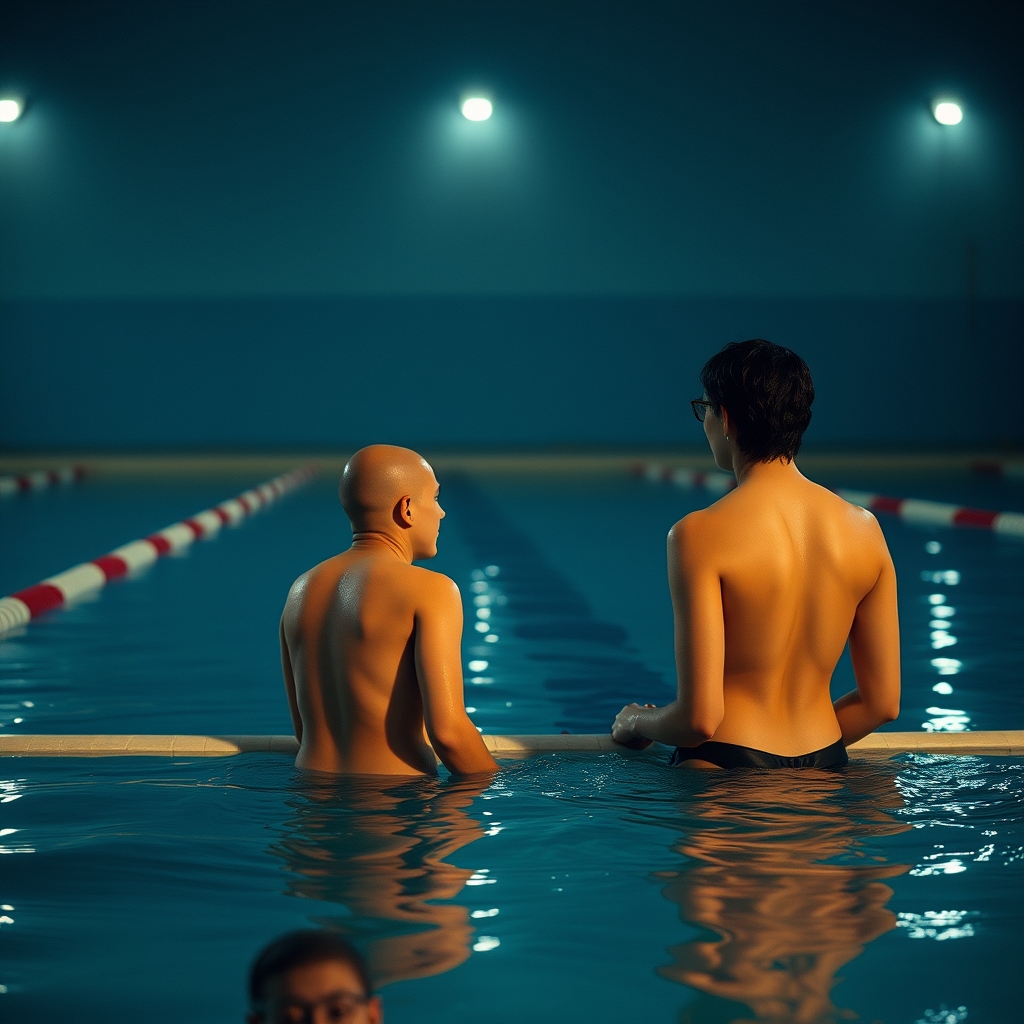
Mexican writer‑director Fernanda Tovar's first feature follows two competitive swimmers, Ana and Luis, whose close bond is shattered when a sexual assault occurs during a training session. The story unfolds in a municipal pool where the echo of splashing water and the sharp scent of chlorine become the backdrop for a painful reckoning.
A Mexican debut that confronts consent and camaraderie
Beyond the immediate drama, the film reframes the swimmers' relationship as a microcosm of how personal intimacy can be weaponized and renegotiated after trauma. The structural tension between trust and violation drives each scene, forcing the characters to choose between silence and disclosure. Tovar's restrained camera work captures a moment when Ana pauses at the lane's edge, her hand hovering over the cold tile, embodying the hesitation that defines the film's emotional core.
Positioned within a wave of Latin American cinema that refuses to sideline gender‑based violence, the narrative underscores a broader cultural shift toward confronting uncomfortable truths on screen. By grounding the story in the palpable realities of pool lighting, the echo of a distant whistle, and the physical strain of a breath held underwater, the film anchors its thematic ambition in concrete experience.
The film matters because it forces viewers to confront how violence reshapes intimacy.
In the final stretch, the camera pulls back from the water's surface, reminding us that personal reckonings echo far beyond the confines of any pool.




















