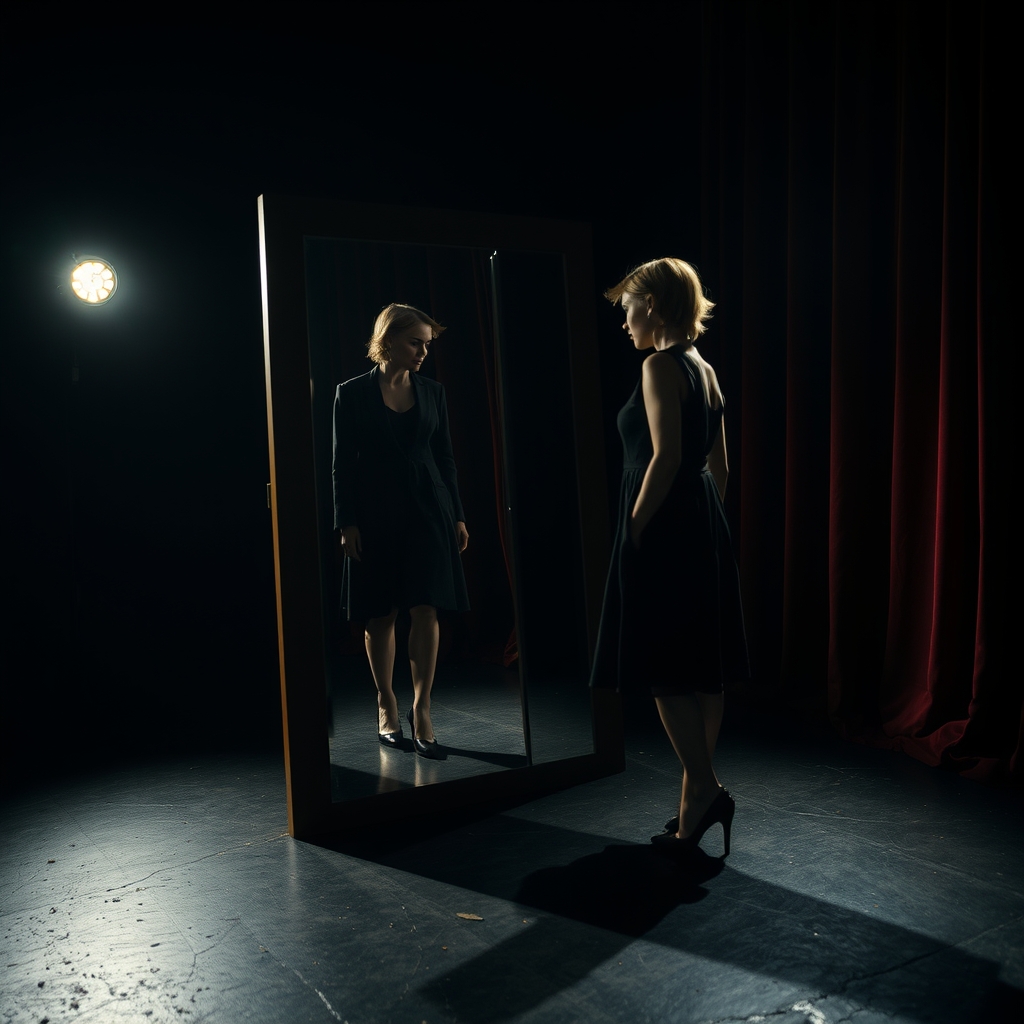
At the International Film Awards held in Berlin last night, Sandra Hüller was presented with the Best Actress trophy for her gender‑shifting role in the drama 'Rose'. The ceremony, attended by industry veterans and emerging creators, marked a rare moment when a performance that blurs traditional male‑female boundaries received top‑level recognition. As the spotlight softened, Hüller stepped onto the stage, the faint rustle of her costume echoing in the hushed auditorium. She paused, hand hovering over the microphone, before delivering a quiet thank‑you that lingered longer than the applause.
Supporting actors break through
In the same evening, Anna Calder‑Marshall and Tom Courtney shared the Best Supporting award for their work in Queen at Sea. Their characters, each navigating personal loss against a backdrop of maritime myth, offered a counterpoint to Hüller's central transformation, illustrating how secondary narratives can amplify a film's emotional resonance.
Why the wins matter
The dual victories signal a structural shift in how award bodies negotiate authenticity versus representation. While traditional festivals have prized clear‑cut portrayals, this year's honors reward ambiguity and fluidity, suggesting that the industry now values stories that challenge binary conventions as much as technical mastery. This win matters because it validates non‑binary storytelling within mainstream award institutions, encouraging filmmakers to explore gender as a spectrum rather than a fixed point.
Beyond the ceremony, the moment reflects a broader cultural movement toward inclusivity in the arts, echoing the early‑2000s surge of gender‑fluid narratives in independent cinema. The tangible consequence is a growing confidence among actors to inhabit roles that defy categorization, a change that will likely ripple into casting decisions, script development, and audience expectations for years to come.
The awards remind us that cinema's power lies in challenging the boundaries we accept.




















