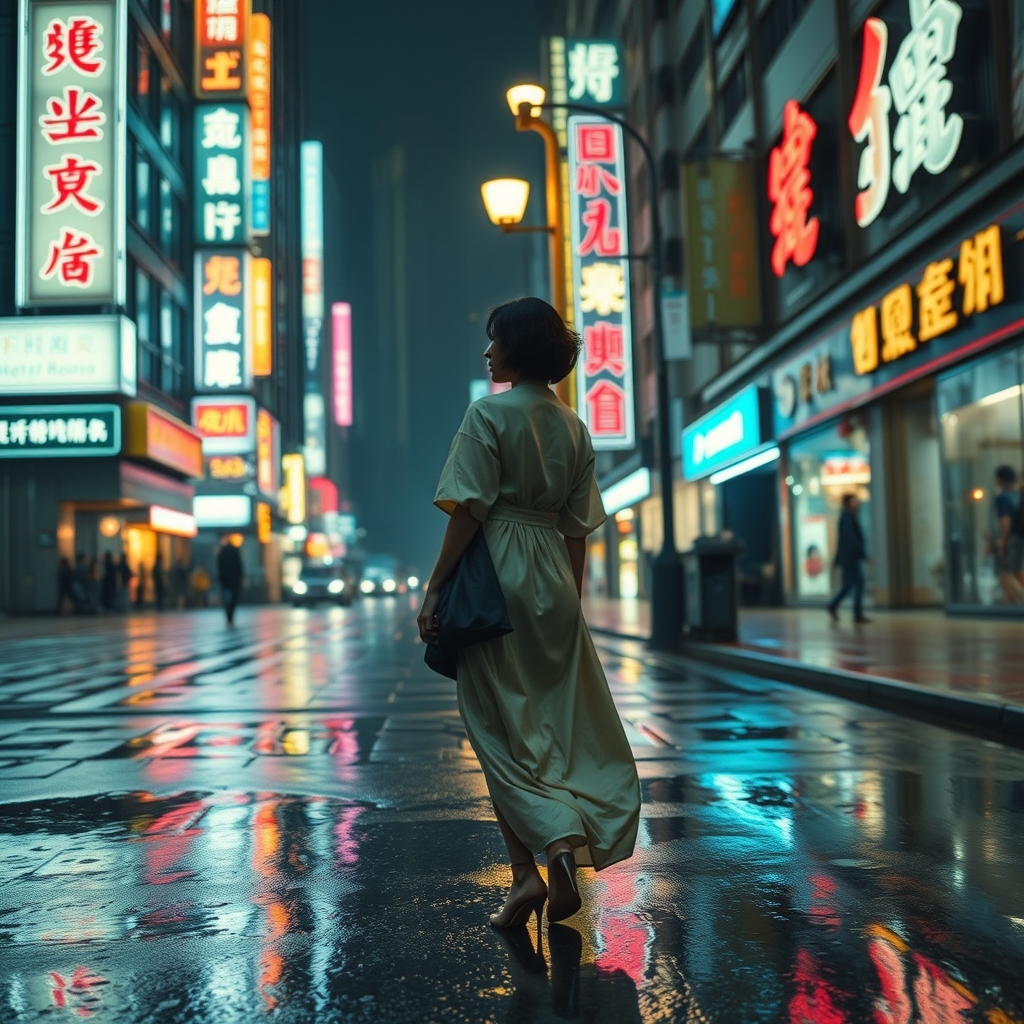
Fremantle has released the first look at "The Season," a six‑episode drama set against the neon‑lit streets of Hong Kong. Produced in partnership with SK Global, the company behind "Crazy Rich Asians" and "Delhi Crime," the series blends glossy production design with a story that follows a family navigating the city's shifting real‑estate market. The teaser images show rain‑slicked avenues, reflective glass towers and characters in silk‑woven garments, while a producer is seen pausing before approving a script note, his hand hovering over the page. The visual palette signals a deliberate move toward high‑end, internationally marketable Asian content.
Why the Hong Kong setting matters
The city's kinetic energy, captured in the distant hum of trams and the glow of advertising neon, provides more than a backdrop; it becomes a character that reflects the series' thematic tension between rapid modernization and lingering heritage. This tension mirrors a broader industry push to balance glossy aesthetics with authentic cultural storytelling, a balance that will determine whether the drama resonates beyond its visual sheen.
The tension between gloss and authenticity
On one side, the production's high‑budget sheen promises international appeal; on the other, the narrative must negotiate Hong Kong's complex identity without succumbing to stereotype. That structural tension—commercial efficiency versus cultural fidelity—forces creators to make concrete decisions, such as an actor adjusting his collar, hesitating for a heartbeat before stepping onto a set that recreates a genuine street market rather than a sanitized set.
Cultural positioning in a global streaming era
By aligning with SK Global's track record of Asian‑centric hits, Fremantle is signaling a strategic pivot toward stories that can travel across borders while retaining local specificity. The series matters because it signals a shift toward Asian narratives commanding global prime‑time slots.
As streaming platforms vie for distinctive voices, "The Season" illustrates how a single locale can serve as a launchpad for worldwide conversation, echoing the post‑colonial resurgence of Hong Kong cinema that once defined international art‑house circuits. The project's success will hinge on whether its polished surface can sustain the weight of the city's lived realities.
In the months ahead, audiences will watch to see if the drama's glossy veneer can coexist with the gritty pulse of the streets it depicts.
Hong Kong's stories are finally finding their place on the world stage.




















