Turning Methane into Medicine
Scientists at a leading research institute have unveiled a new iron‑based catalyst that, when illuminated by a modest LED light, activates methane—the primary component of natural gas—and converts it into complex chemical building blocks. In a controlled laboratory setting, the team demonstrated the synthesis of dimestrol, a hormone‑therapy drug, directly from methane, marking the first such achievement.
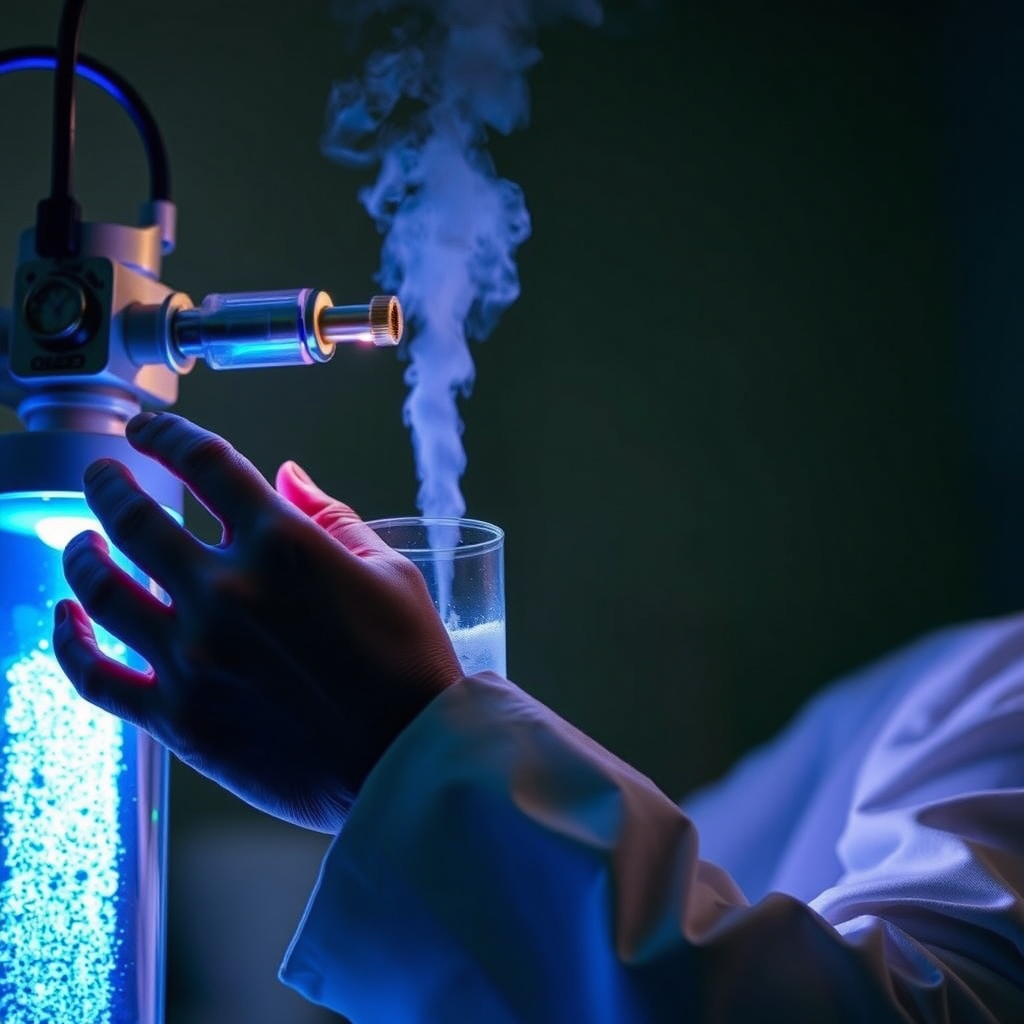
The apparatus is modest: a clear quartz tube bathed in the cool blue glow of the LED, the iron particles suspended in a thin slurry, and a faint hum of the cooling system. As the reaction proceeds, a researcher pauses, hand hovering over the inlet valve, adjusting the flow of gas with a deliberate breath before committing to the next step.
Why the Catalyst Matters
Beyond the chemistry, the breakthrough reframes how we might source high‑value pharmaceuticals. Instead of extracting feedstock from oil wells, the process offers a route that could tap abundant natural‑gas reserves while reducing carbon emissions—a structural tension between efficiency and environmental safety that has long defined the energy‑chemical nexus.
This development sits within a broader shift toward a circular economy, where waste streams become inputs for new products, echoing similar trends in sustainable fashion and active‑wear manufacturing that favor recycled fibers over virgin materials.
It matters because it provides a tangible pathway to produce essential medicines without expanding fossil‑fuel extraction.
As the LED lights dim, the lab's quiet settles, reminding us that incremental, well‑engineered steps often precede the headlines of climate solutions.
The promise of cleaner chemistry will ripple through the products we wear and use daily.




















