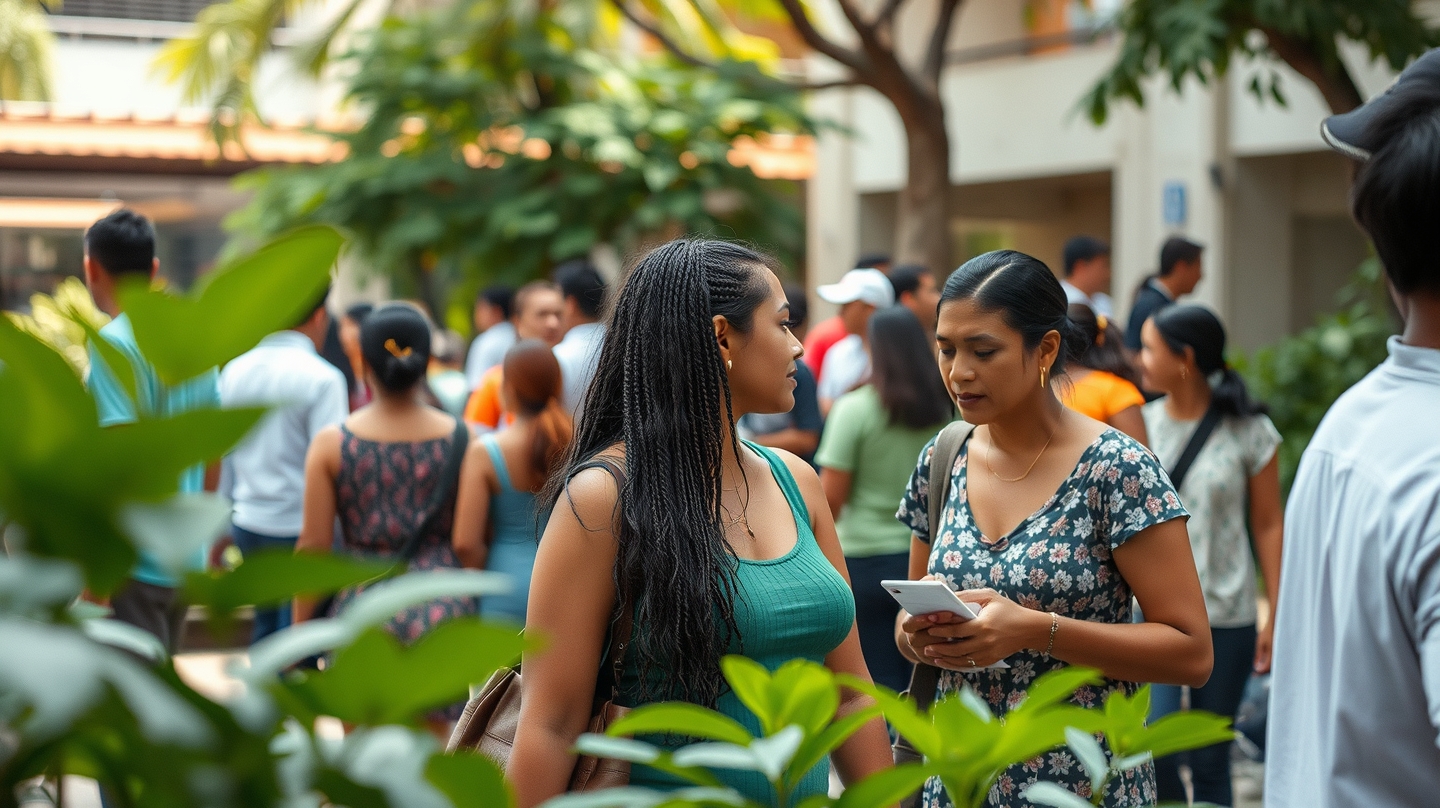
In many Latin American cities, peripheral neighborhoods have historically had less access to the resources that make urban life more than just livable. Housing, transportation, and public services are the usual markers of that gap. But there is another gap that is harder to quantify: the absence of places where people can gather, learn, rest, and participate in collective life.
When those spaces do not exist, the city not only fails to provide a service. It fails to acknowledge a presence. In recent decades, a growing number of projects have tried to address that absence directly. Rather than focusing only on physical infrastructure, they invest in spaces designed to support education, culture, recreation, and community, often merging several of those functions within a single building in neighborhoods where those spaces are otherwise limited.
The impact of these initiatives is multifaceted. By providing community spaces, cities can foster a sense of belonging and social cohesion among residents. This, in turn, can lead to improved mental and physical health, as well as increased economic opportunities. Furthermore, these spaces can serve as hubs for social innovation, allowing communities to come together and develop solutions to the challenges they face.
Technology has also played a crucial role in the development of these public spaces. From digital platforms that facilitate community engagement to data-driven urban planning, technology has enabled cities to design and manage public spaces more effectively. Moreover, the integration of technology in these spaces has opened up new possibilities for education, cultural expression, and social interaction.
However, the adoption of technology in public spaces also raises important questions about accessibility and equity. As cities invest in digital infrastructure, they must ensure that all members of the community have access to these technologies and can benefit from them. This requires a nuanced understanding of the social and economic contexts in which these technologies are being deployed.
In conclusion, the investment in public spaces by cities like Bogotá and Mexico City represents a significant step towards addressing urban inequality. By providing community spaces that support education, culture, and recreation, these cities are not only improving the quality of life for their residents but also fostering a sense of community and social cohesion. As technology continues to play an increasingly important role in the development of these spaces, it is essential that cities prioritize accessibility and equity to ensure that all members of the community can benefit from these initiatives.




















