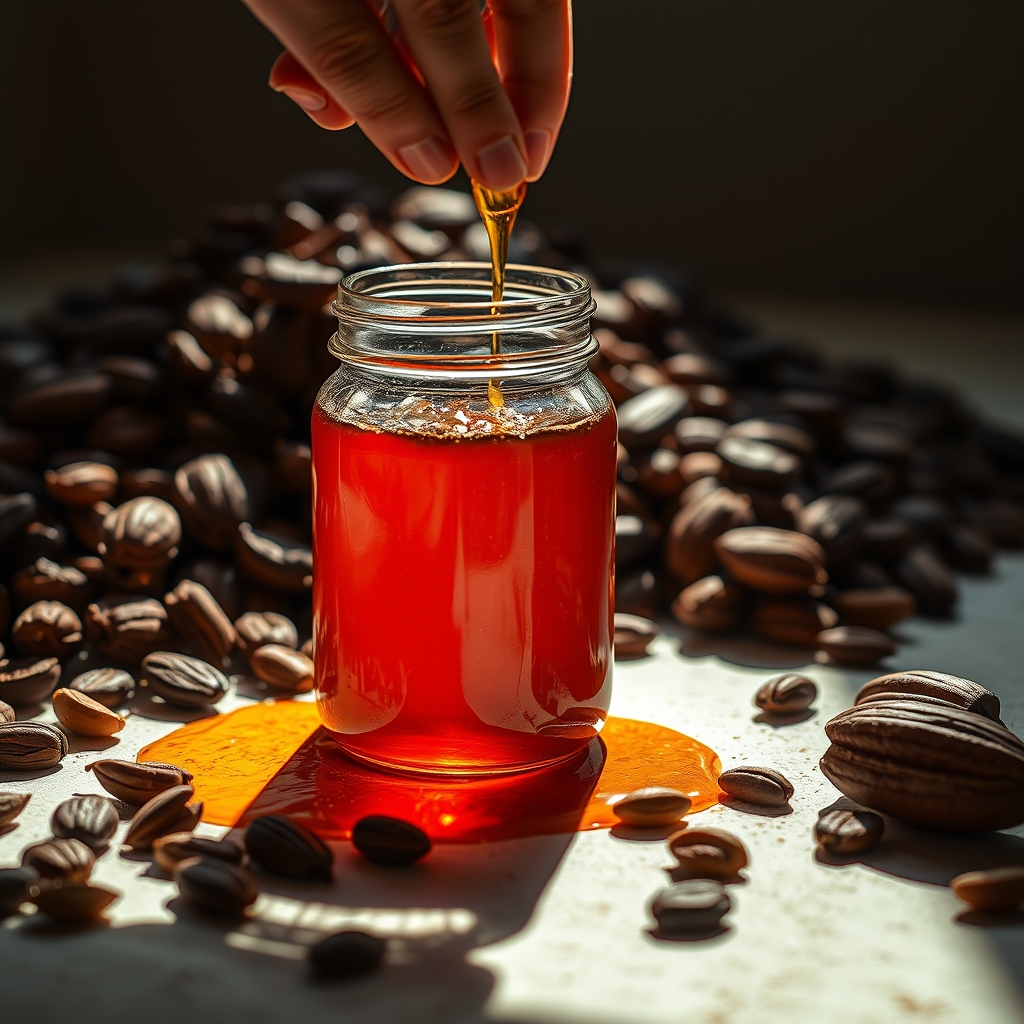
How chocolate‑infused honey is made
Scientists in Brazil have transformed cocoa waste into a functional chocolate‑infused honey packed with antioxidants and natural stimulants. Using ultrasonic waves, they coaxed the honey to draw polyphenols from discarded cocoa shells, eliminating the need for synthetic solvents. The process runs at room temperature, preserving the honey's natural enzymes while extracting the cocoa's bitter‑sweet compounds.
The result is a viscous amber liquid that glistens under kitchen light, releasing a subtle scent of roasted cacao. When a young pastry chef lifted the spoon, she paused, feeling the weight of the thick syrup and wondering whether the flavor would overwhelm a delicate mousse. She adjusted the amount, tasting a small drop that balanced the honey's floral sweetness with the chocolate's earthy bite.
This innovation reframes food waste as a source of functional ingredients, positioning sustainability alongside indulgence. The tension lies between the efficiency of turning by‑products into value and the safety of ensuring no residual contaminants. Within the growing clean‑label movement, such green chemistry offers a blueprint for other industries seeking to marry health benefits with environmental responsibility.
It matters because it shows how food waste can be turned into health‑enhancing ingredients without compromising flavor.
Potential uses in the kitchen and beyond
Gourmet chefs can drizzle the chocolate honey over desserts, incorporate it into vinaigrettes, or blend it into smoothies for an antioxidant boost. Cosmetic formulators are already testing it as a natural humectant, leveraging its hygroscopic properties to retain skin moisture while delivering polyphenols that combat oxidative stress.
As consumers increasingly demand transparency, products like this signal a shift toward ingredients that are both tasty and responsibly sourced, redefining luxury as something that can be both pleasurable and planet‑friendly.




















