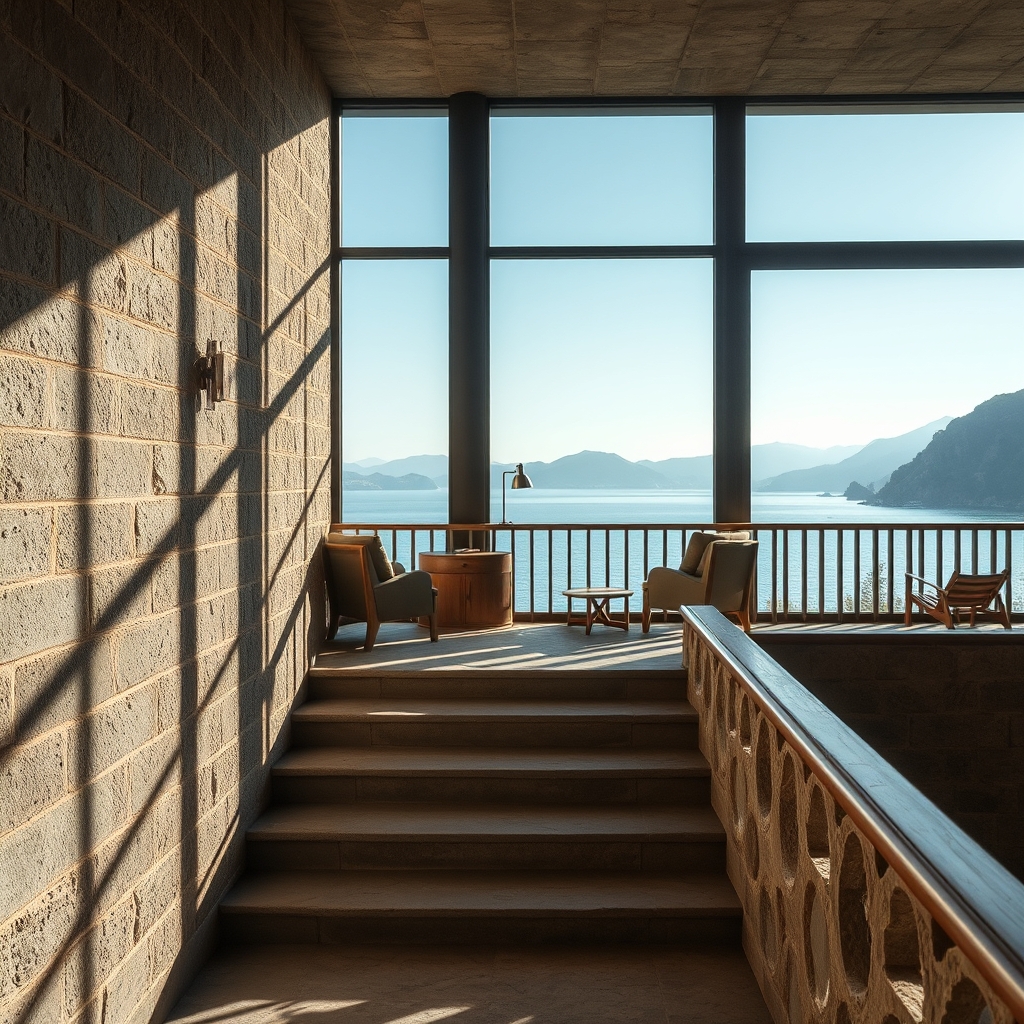
Perched above the shores of Lake Como, the Villa Belvedere—rebuilt from 2021 to 2023 using stone from the nearby quarries and timber felled from the Lombard hills—offers a series of rooms that read like a quiet film. The façade, brushed with local limestone, catches the lake's morning light while the interior walls retain the texture of hand‑hewn beams, a tactile reminder of the region's building traditions.
How Local Materials Shape the Villa's Architecture
The structural tension between elegance and ecological responsibility drives every decision. The designers chose a low‑impact cement mixed with limestone dust, preserving the visual purity of the stone while reducing carbon emissions. This compromise reframes luxury as a dialogue with place rather than a display of excess.
Craftsmanship and Landscape
Walking through the central hall, the soft murmur of water against the stone steps blends with the faint scent of pine. At the threshold of the master suite, the architect paused, hand hovering over the new plaster, uncertain whether it would echo the lake's mist. The final brushstroke, applied after a brief hesitation, captured the diffused gray of an early autumn dawn.
The villa's cinematic sequence of spaces aligns with a broader resurgence of regional materiality in European design, a movement that values durability, cultural memory, and climate sensitivity over fleeting trends. By grounding high‑end living in the very earth that surrounds it, the project demonstrates a sustainable model for future lakeside developments.
It matters because it shows how high‑end design can anchor itself in local ecosystems without sacrificing refinement.
Architecture, in this case, becomes a measured conversation with the land.




















