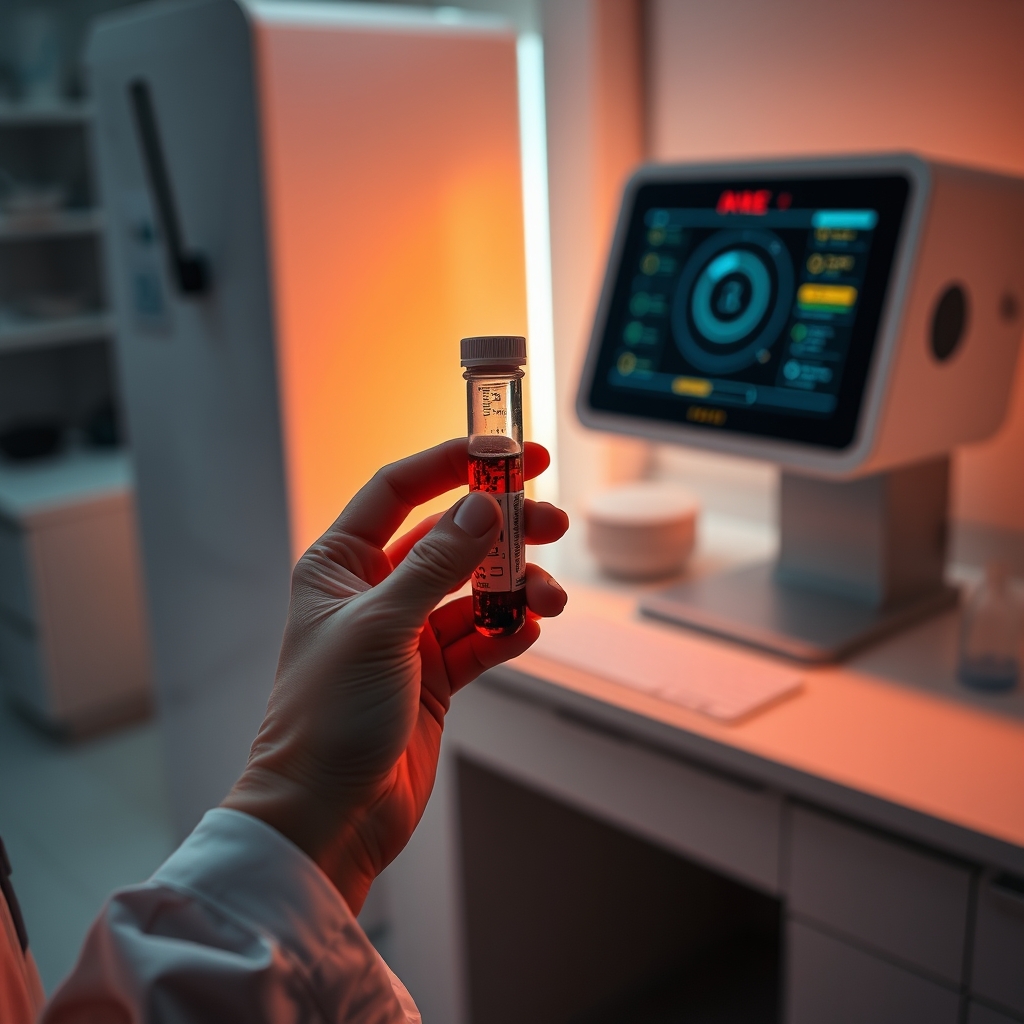
Researchers at the Institute of Molecular Medicine have unveiled an AI‑driven liquid biopsy that reads the pattern of DNA fragments circulating in a patient's blood. In a single 10‑millilitre draw, the system flags early‑stage liver fibrosis and cirrhosis—conditions that often remain silent until irreversible damage appears. By mapping genome‑wide fragmentation rather than hunting for specific mutations, the test extracts a hidden health signature from the bloodstream. The technology arrived in a modest laboratory where the soft hum of cooling fans mingles with the faint scent of antiseptic, and a volunteer pauses, hand trembling, before the needle meets skin.
From clinical labs to bathroom shelves: why the test matters for everyday wellness
The assay translates a complex genomic landscape into a single risk score that can be read on a tablet screen in minutes. For consumers accustomed to tracking steps or skin hydration, this introduces a new metric of internal health that is both quantitative and actionable. Early detection matters because it opens a therapeutic window before scar tissue hardens, allowing lifestyle adjustments—diet, alcohol moderation, targeted supplements—to reverse or halt progression. In that sense, the test bridges the gap between biomedical precision and the personal‑care routines that dominate modern beauty culture.
The structural tension between speed of AI analysis and trust in its verdict
The algorithm processes millions of fragment endpoints in seconds, delivering results faster than any conventional imaging. Yet the very rapidity raises a paradox: clinicians and consumers must decide whether to act on a recommendation that emerges from a statistical pattern rather than a visible lesion. This tension—efficiency versus confidence—forces a cultural shift toward embracing probabilistic health narratives, a move that will reshape how products from skincare to nutraceuticals are marketed and prescribed.
Beyond the laboratory, the development aligns with the broader precision‑health movement that seeks to embed molecular diagnostics into daily life. Beauty brands are already partnering with biotech firms to embed DNA‑based insights into personalized regimens, signalling a convergence of aesthetic desire and medical necessity. The AI liquid biopsy, by focusing on the liver—a organ central to metabolism and detoxification—repositions liver health as a cornerstone of both outward radiance and internal resilience.
Early detection of liver disease can prevent irreversible damage and reduce cancer risk.
As the device moves from research benches to retail clinics, its quiet hum will echo in waiting rooms, reminding each person that the body's hidden conversations are finally audible.




















