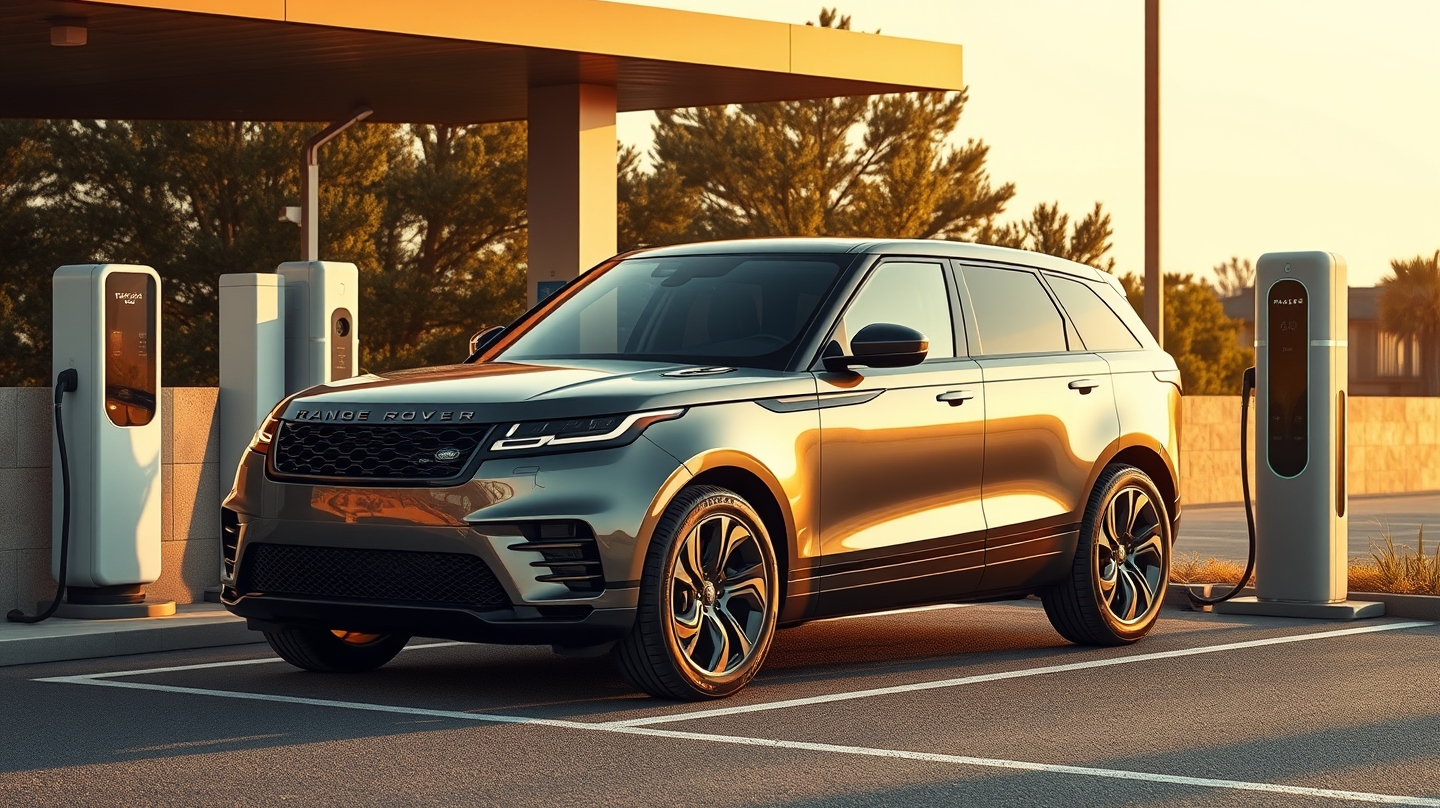
When Land Rover unveiled the silhouette of its upcoming Range Rover GT, the automotive world saw a sleek fastback that looks more like a high‑end sedan than a traditional SUV. The tension between the brand’s rugged heritage and a design that leans toward aerodynamic elegance raises a question: can an electric luxury SUV retain the off‑road credibility that defined Land Rover for decades?
The Range Rover GT is slated for a 2028 launch as a pure‑electric model, with a hybrid variant promised later. Its roofline sweeps low, creating a coupe‑like profile while the cabin accommodates four passengers across two rows. Inside, Land Rover has taken a restrained approach—opting for a modest rectangular infotainment screen and a slim digital gauge cluster rather than the sprawling glass walls that dominate many competitors. The interior materials are largely sustainable, featuring faux‑leather upholstery derived from recycled fibers and a floating center console that hides charging pads beneath a semi‑transparent cover.
Beyond aesthetics, the GT signals a broader shift in Land Rover’s technology adoption. The company is rapidly expanding its electric portfolio, positioning the GT alongside the taller Range Rover Sport Electric and the larger Range Rover Electric. This diversification reflects an industry‑wide move toward electrification, but Land Rover’s emphasis on minimal digital clutter suggests a different take on the user experience: a focus on tactile controls and selective data presentation, which could reduce driver distraction and streamline software updates.
From a manufacturing perspective, the GT’s fastback design demands a re‑engineered body structure. The sloping roofline compresses rear headroom, prompting engineers to relocate the rear seat platform and integrate a liftgate that doubles as a frunk access point. This structural insight highlights how EV architecture forces legacy brands to rethink cargo solutions, potentially influencing future SUV layouts across the segment.
Automation is also woven into the GT’s development pipeline. Land Rover has invested in AI‑driven design validation tools that simulate crash performance and aerodynamic efficiency before a physical prototype is built. These tools accelerate the iteration cycle, allowing the GT to incorporate the latest battery chemistry and motor control algorithms without extensive physical testing. The result is a vehicle that can promise competitive 0‑60 mph times and a range that aligns with European WLTP standards, though exact figures remain under wraps.
Real‑world implications are already emerging. Early adopters will need access to high‑power DC fast chargers capable of replenishing the GT’s battery in under 30 minutes—a demand that could accelerate the rollout of 350 kW charging stations along major highways. Additionally, the GT’s minimalist infotainment system may set a precedent for future luxury EVs, encouraging manufacturers to prioritize sustainable interior materials and driver‑focused displays over screen‑heavy cabins.
Industry analysts note that Land Rover’s pivot to electric SUVs could reshape supplier relationships. Battery pack manufacturers, software providers, and sustainable material suppliers are likely to see increased volumes, while traditional drivetrain component makers may need to adapt to lower demand for internal‑combustion parts. This supply‑chain transformation mirrors broader trends in the automotive sector, where automation and data‑centric workflows are redefining how vehicles are designed, built, and serviced.
While the GT’s pricing has not been disclosed, Land Rover’s recent EVs have started in the six‑figure range, suggesting the GT will target affluent buyers who value both performance and a reduced environmental footprint. As the brand balances heritage with innovation, the GT could become a benchmark for how legacy luxury manufacturers navigate the electrified future.
Consumers interested in a more conventional SUV silhouette can still opt for the taller Range Rover Sport Electric or the larger Range Rover Electric, but the GT offers a glimpse into a possible new direction for the segment—one where sleek design, sustainable interiors, and automated engineering converge.




















