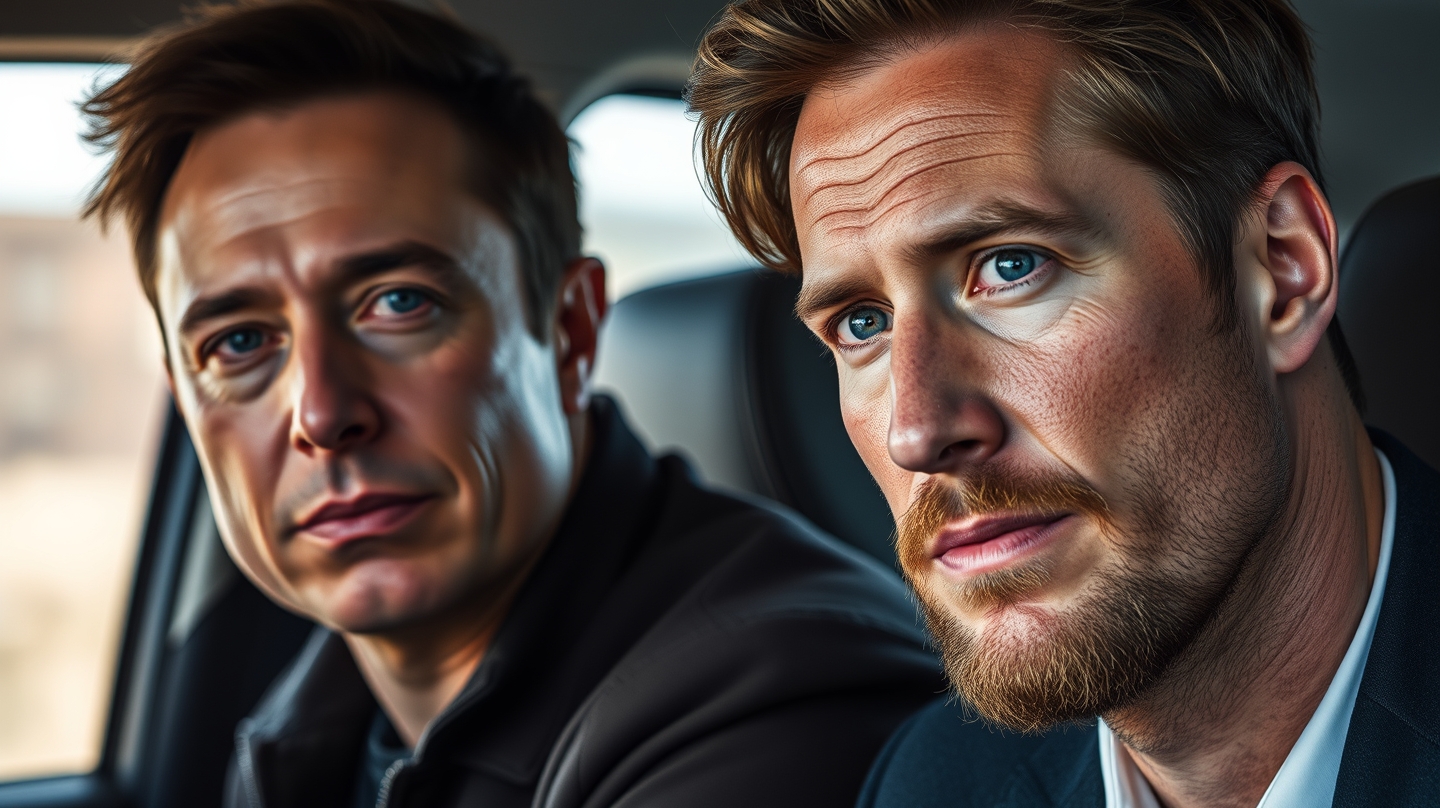
Elon Musk, the CEO of SpaceX and Tesla, has ignited a firestorm by posting the banned film Citizen Vigilante on his X account, which boasts over 240 million followers. The movie, starring Armie Hammer, was previously banned in Germany due to its violent content and potential to incite violence against immigrants. Musk's decision to share the film has not only sparked controversy but also raised questions about the role of technology in challenging traditional media regulations.
Citizen Vigilante, directed by Uwe Boll, tells the story of a wealthy American businessman who transforms into a vigilante, targeting violent criminals, rapists, and corrupt judges in Croatia. The film's brutal campaign gains traction online and across the media, making the protagonist a wanted criminal and an unlikely public hero. The movie's star, Armie Hammer, has been largely absent from Hollywood since allegations of sexual assault in 2021, which he denied, and after a lengthy investigation, Los Angeles prosecutors declined to file criminal charges against him in 2023.
Musk's actions have been seen as a challenge to traditional film regulations, highlighting the tension between technological advancements and established media norms. The incident also underscores the growing influence of social media platforms in shaping public discourse and cultural narratives. As the line between traditional and digital media continues to blur, the Citizen Vigilante controversy serves as a catalyst for discussions about the future of content regulation and the responsibilities that come with technological power.
The film's director, Uwe Boll, has announced a sequel, Citizen Vigilante 2, slated for release in 2027, although it remains unclear whether Armie Hammer will reprise his role. Musk, meanwhile, has expressed enthusiasm for the sequel, stating that it will be 'even better' than the original. The developments surrounding Citizen Vigilante have significant implications for the film industry, as they reflect the evolving landscape of content distribution and the impact of technology-driven automation on traditional media workflows.
The transition from traditional media to digital platforms has been a significant trend in recent years, with many films and TV shows now being released directly on streaming services. This shift has raised questions about the role of traditional film regulations in the digital age and how they can be adapted to accommodate new forms of content distribution. The Citizen Vigilante controversy highlights the need for a nuanced approach to content regulation, one that balances the need to protect audiences with the need to promote artistic freedom and innovation.




















