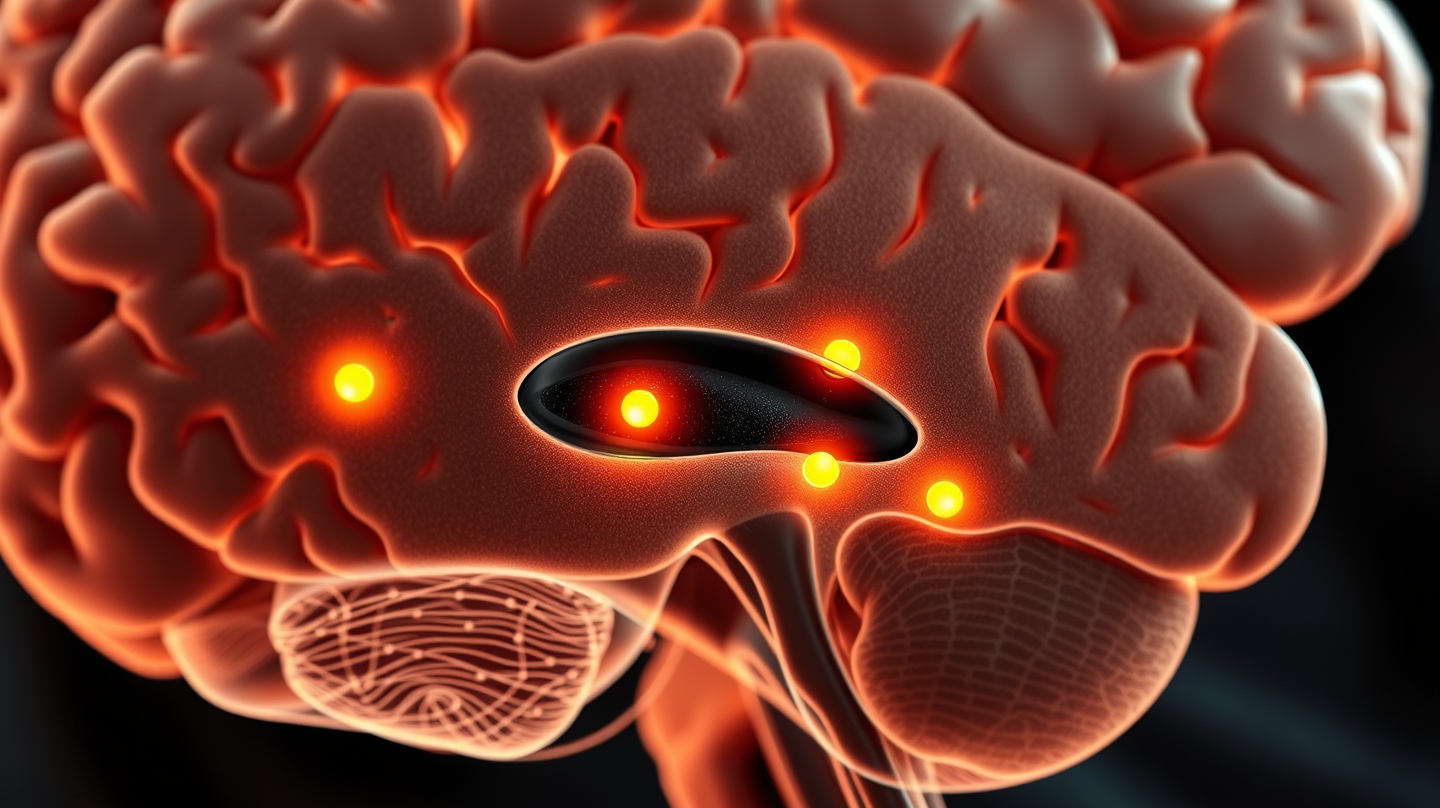
When a patient on Ozempic reports fewer cravings for a pint of beer than for a slice of pizza, the observation sounds anecdotal—but it may be the tip of a neuroscientific iceberg. Recent studies suggest that GLP‑1 agonists, originally designed to curb appetite, also dampen the brain’s drive for alcohol and other substances by acting on a little‑known region called the lateral septum.
The lateral septum, nestled deep within the limbic system, has long been associated with emotional regulation and “septal rage” in early animal work. Modern connectivity mapping now places it upstream of the classic dopamine‑rich reward circuit that includes the ventral tegmental area (VTA) and nucleus accumbens (NAc). Unlike those dopamine hubs, the lateral septum is densely packed with GLP‑1 receptors, making it a plausible gateway where peripheral hormone signals translate into reduced motivation to seek rewarding stimuli.
Human trials with GLP‑1 drugs such as Ozempic (semaglutide) and Wegovy (semaglutide‑high dose) have consistently shown weight loss far beyond expectations for a diabetes medication. Parallel observations reveal a statistically significant drop in alcohol intake among participants, and pre‑clinical models extend the effect to cocaine, amphetamines, nicotine and opiates. The emerging consensus is that GLP‑1 activation in the lateral septum blunts the mental imagery that fuels cravings, effectively raising the threshold for reward‑driven behavior.
Why does this matter? If a single class of drugs can simultaneously address obesity and multiple forms of substance use, clinicians gain a versatile tool that sidesteps the stigma and side‑effects of traditional addiction therapies. Moreover, the discovery reframes the neurobiology of craving: rather than a monolithic dopamine surge, the brain appears to balance “thinking about” a reward in the lateral septum against “pursuing” it in the VTA‑NAc loop.
Beyond the bedside, the finding accelerates a broader technology‑driven transformation in pharmaceutical research. Automated imaging pipelines and AI‑enhanced receptor‑binding simulations now allow scientists to screen thousands of compounds for lateral‑septum activity in weeks instead of years. Platforms such as Atomwise and DeepMind’s AlphaFold are being repurposed to model GLP‑1 interactions, promising faster iteration of next‑generation agonists with tailored addiction‑blocking profiles.
Media infrastructure is also evolving. Real‑time data dashboards, powered by cloud‑based analytics, enable journals and health portals to disseminate nuanced findings instantly, reducing the lag between discovery and public awareness. This automation ensures that clinicians, policymakers and patients receive evidence‑based updates without the distortion that often accompanies sensational headlines.
In practice, the implications are already palpable. Primary‑care physicians in several health systems have begun off‑label discussions about prescribing GLP‑1 agonists to patients struggling with alcohol use disorder, citing emerging guidelines that emphasize metabolic‑behavioral overlap. Insurance providers are monitoring cost‑effectiveness studies that compare long‑term GLP‑1 therapy against traditional rehabilitation programs, a shift that could reshape reimbursement models.
Nevertheless, caution remains essential. The lateral septum’s role is complex; overstimulation could blunt not only harmful cravings but also natural motivations, potentially leading to apathy or depressive symptoms. Ongoing trials are therefore incorporating mood‑assessment scales and neuroimaging checkpoints to map the full safety profile.
Ultimately, the convergence of a weight‑loss drug, a previously overlooked brain region, and automated drug‑discovery tools illustrates how technology can illuminate hidden biology. As AI refines our understanding of GLP‑1 pathways, the prospect of a single medication that tackles both obesity and addiction moves from speculative to actionable, heralding a new era of integrated, data‑driven therapeutics.




















