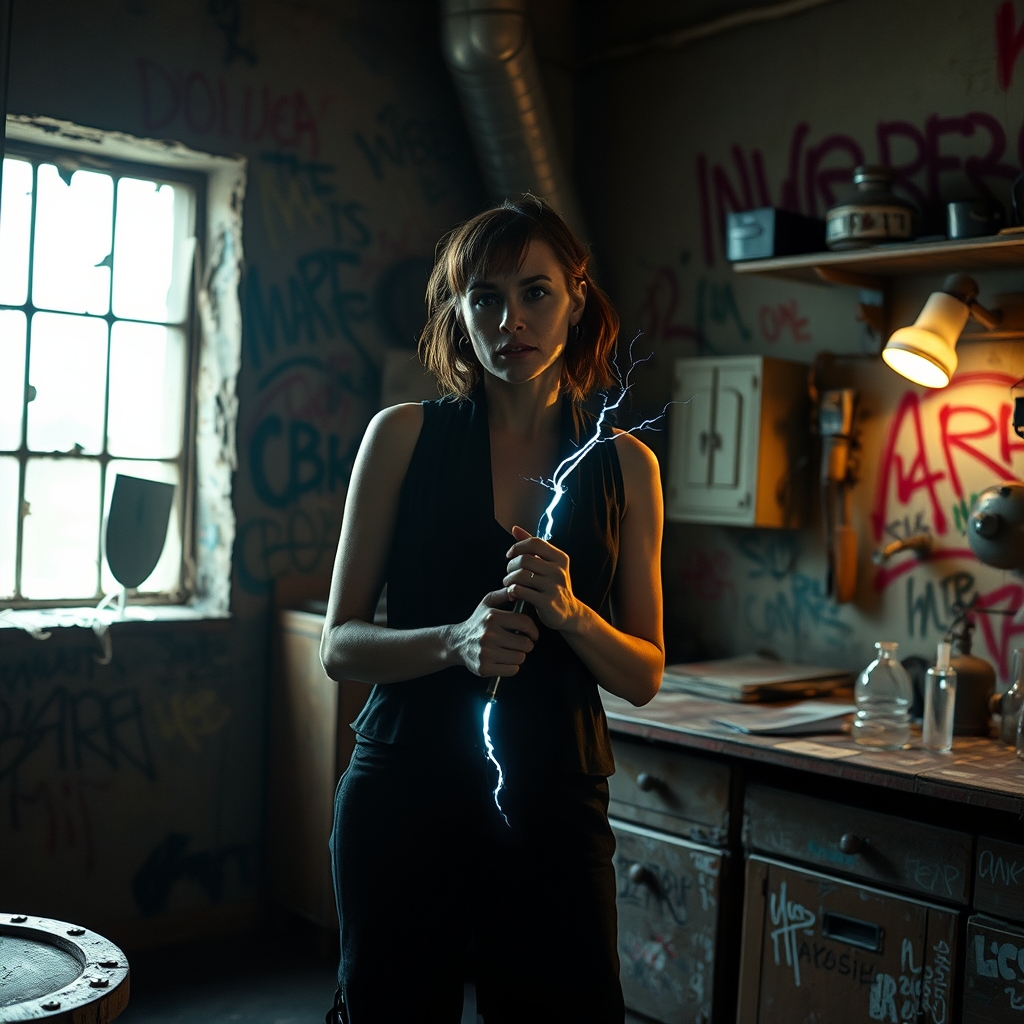
Maggie Gyllenhaal's new film, The Bride, reimagines the 1935 classic Bride of Frankenstein as a punk‑infused horror tableau. Shot in a repurposed New York warehouse in late 2023, the picture assembles a familiar constellation: her husband Peter Sarsgaard, brother Jake Gyllenhaal, and Jessie Buckley, who previously collaborated with her on The Lost Daughter. The script swaps the original's gothic romance for snarling guitars and flickering neon, while preserving the creature's yearning for identity.
A punk reinterpretation of a classic monster
The film's aesthetic leans on the raw texture of cracked plaster and the electric buzz of a vintage amplifier, a sound that rattles the bones of the set like distant thunder. This creates a structural tension between punk's chaotic rebellion and the safety of a familiar horror formula, exposing how contemporary cinema negotiates subversion and marketability. By recasting Frankenstein's creature as a figure stitched together from cultural fragments, the work reframes the myth as a critique of modern identity construction.
Family ties and artistic continuity
During a take, Gyllenhaal paused, hand hovering over a cracked porcelain skull, deciding whether to crush it. The hesitation revealed a moment of personal negotiation: the director balancing familial intimacy with the film's broader, abrasive vision. The presence of her husband and brother adds a layer of lived authenticity, turning the laboratory into a space where personal history and artistic ambition intersect.
It matters because it demonstrates how inherited myths can be weaponized to interrogate modern anxieties about belonging.
In an age of remix, the film asks who we become when stitched anew.




















