Why the Plant Matters for Tampa Bay's Future
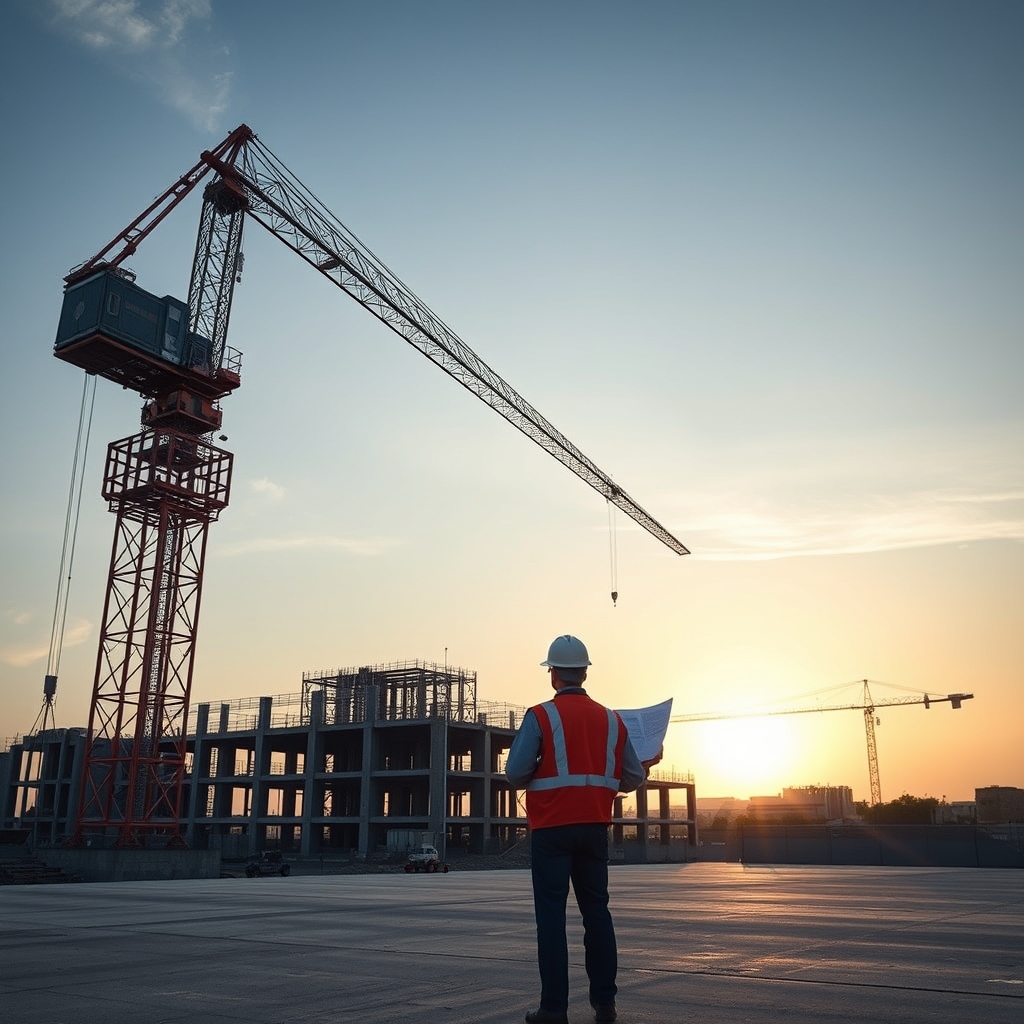
Construction of the Tampa Bay Regional Surface Water Treatment Plant, a 150‑million‑dollar facility on the north shore of the Hillsborough River, began in early 2024 and is slated to run through 2028. The site hums with concrete mixers, and the sharp scent of wet cement hangs in the morning air. As a crane swings a gleaming steel girder into place, a foreman pauses, thumb lingering on a blueprint, double‑checking the alignment before the load is hoisted.
This project reframes local water management from a routine compliance task into a catalyst for regional resilience, linking climate adaptation with economic growth. The structural tension between accelerating the schedule and maintaining rigorous safety standards forces engineers to embed redundant filtration layers, even as the public expects rapid delivery.
Embedded in the broader wave of infrastructure renewal spurred by the 2021 bipartisan law, the plant illustrates how mid‑size cities can upgrade aging networks while confronting rising sea levels. By securing a reliable source of potable water for Tampa Bay's three‑million residents, the plant directly safeguards public health and supports future development.
Balancing Speed and Safety on the Construction Site
Workers coordinate daily with digital twins that model flow rates and structural loads, yet each decision still passes through a human checkpoint. When a sensor flags a pressure anomaly in a test pipe, the crew halts, reassesses, and reinforces the joint before proceeding. This deliberate pause underscores the enduring role of human judgment amid increasing automation.
The plant's completion will not only meet current demand but also provide capacity for projected growth through 2050, anchoring Tampa Bay's long‑term water security.




















