Humanoid Robots in Factories and Warehouses
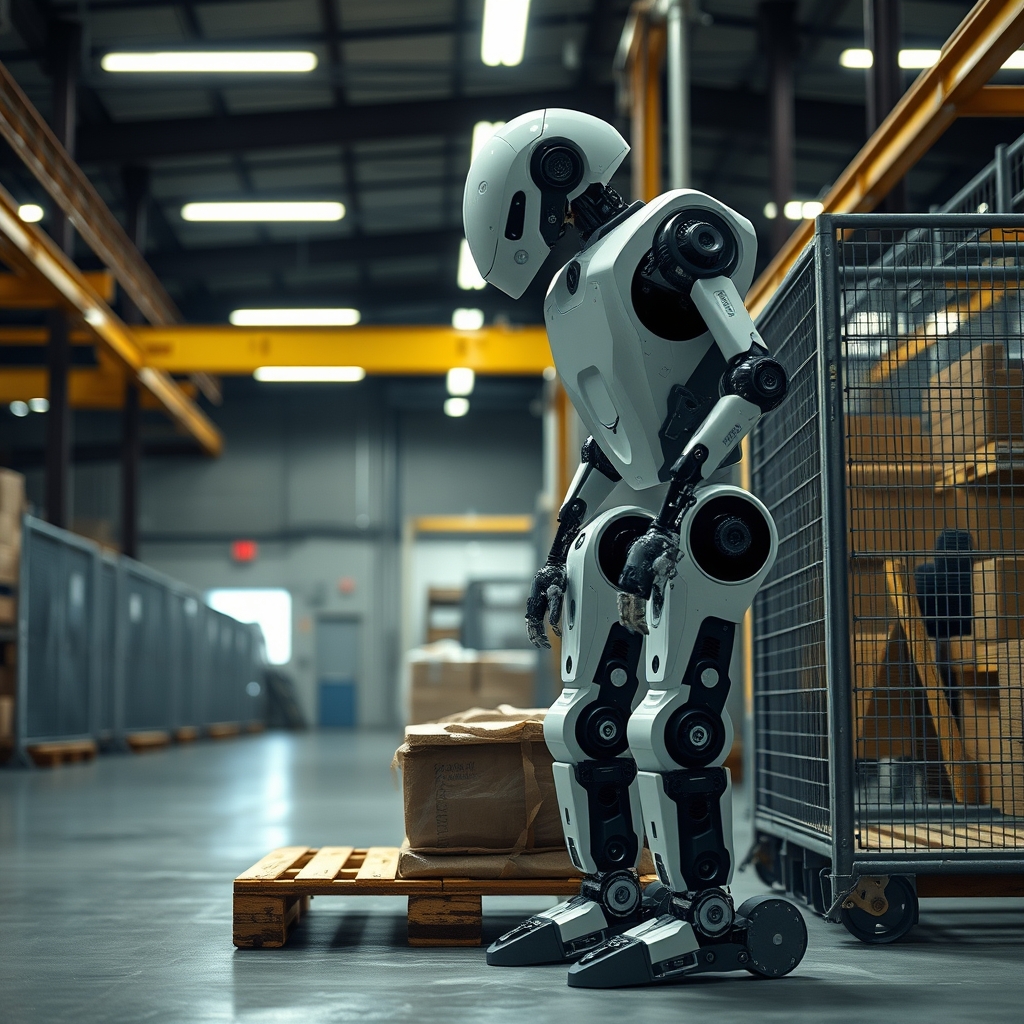
In a packed conference room at the Boston Convention Center on March 8, 2026, engineers from Agility Robotics, Boston Dynamics, and members of the ASTM robotics committee gathered to dissect the real‑world role of humanoid machines on production lines. The panel cut through the hype, noting that today's Atlas‑type bots can lift 30 kilograms, navigate uneven pallets, and repeat a pick‑and‑place cycle in under ten seconds, but they still require safety cages and constant human supervision. A technician's hand hovered over the emergency stop button, hesitating as the robot's servos emitted a soft, metallic whine, before granting the run.
Efficiency versus Safety
The structural tension between efficiency and safety defines every deployment. While a humanoid can keep a line moving faster than a human in repetitive, low‑load tasks, the need for physical barriers and continuous monitoring erodes that speed gain. The true value, however, lies not in wholesale replacement but in extending human reach into ergonomically hazardous zones—lifting heavy components, working at height, or operating in environments where fatigue would compromise quality.
Economic and Cultural Context
Automation has become a cultural response to labor shortages and rising wage pressures across the logistics sector. Humanoid platforms, with their familiar bipedal form, promise a smoother integration into existing workflows, yet the market's enthusiasm often outpaces the technology's maturity. Firms that invest without accounting for the ongoing safety infrastructure risk sunk costs, while those that adopt a measured approach can leverage the robots as collaborative assistants, preserving jobs and improving workplace ergonomics.
Understanding these limits is essential for firms that risk costly over‑investment in unproven technology.
As factories balance speed with safety, the humble humanoid becomes a tool, not a replacement.




















