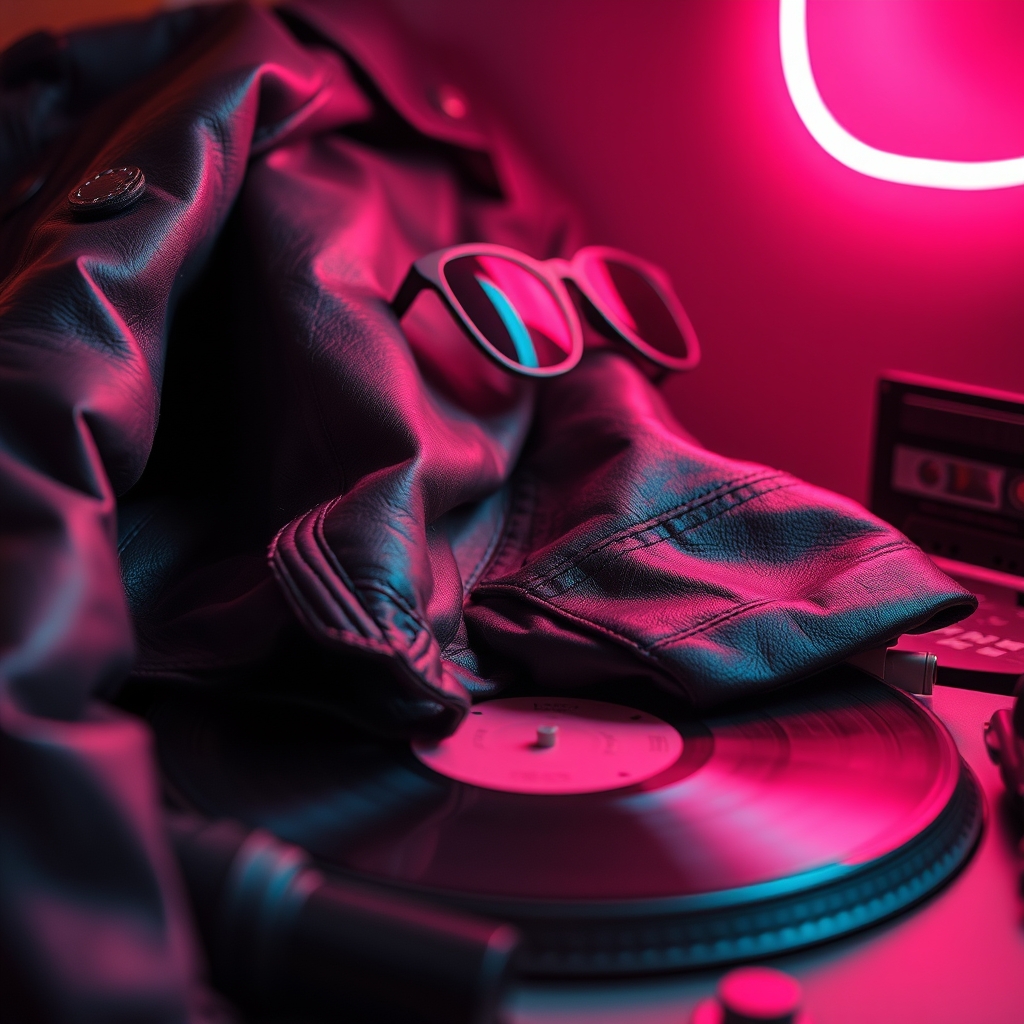
The new documentary Billy Idol Should Be Dead opens with the 70‑year‑old singer standing in a dimly lit studio, his scarred leather jacket catching the flicker of neon. The film, released on Netflix in early March, follows Idol from his early punk days in London to his global rock stardom, and it does so while the camera lingers on the texture of his iconic denim and the hiss of a spinning vinyl record. As the narrative unfolds, a young shopper in a Soho boutique hesitates before reaching for a freshly arrived, high‑gloss bomber jacket that mirrors Idol's silhouette, then decides to pair it with a set of retro‑styled wireless earbuds.
What the new Billy Idol documentary reveals about punk's lasting influence on fashion
Beyond chronicling a career, the film offers a crystalline insight: Idol's aesthetic has become a template for the current wave of 80s‑inspired clothing, where the tension between authenticity and commodification is palpable. Designers now market leather that feels lived‑in while mass‑producing it on assembly lines, a paradox that mirrors Idol's own journey from underground rebel to commercial staple. This structural tension—raw authenticity versus polished commodification—drives both the documentary's narrative and today's retail shelves, where vintage‑cut jackets sit beside sleek, neon‑backlit headphones.
The cultural moment is unmistakable. As streaming platforms resurrect past icons, a generation of consumers, armed with smartphones and an appetite for tactile nostalgia, re‑engages with the symbols of rebellion. The documentary's release coincides with a surge in retro‑themed pop‑up shops and a renewed appetite for analog sound, underscoring how a single artist can anchor a broader revival of punk's visual language.
Understanding Idol's impact matters because his image continues to shape how a generation negotiates rebellion and style in a market saturated with retro cues.




















