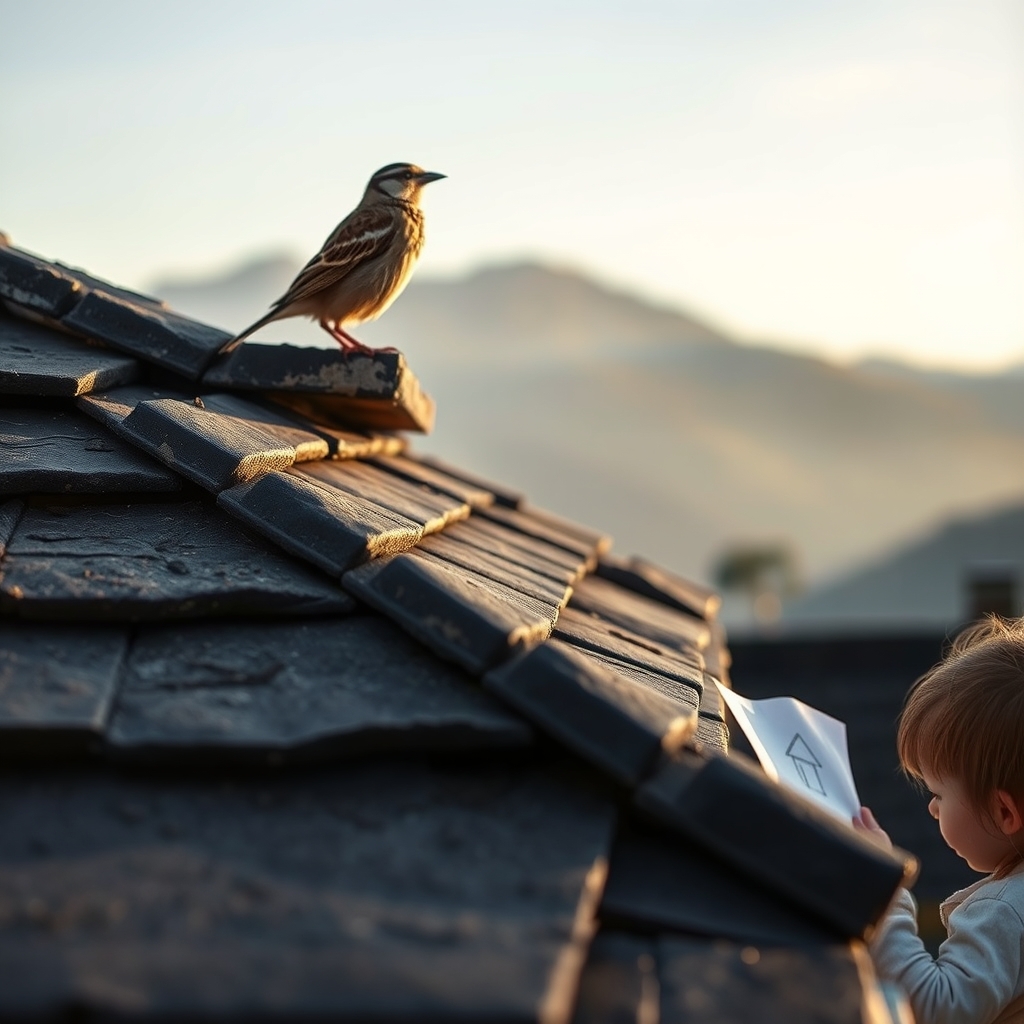
The pitched‑roof house, with its triangular silhouette of two sloping planes meeting at a ridge, is one of the most recognizable architectural forms worldwide. Its shape instantly signals shelter, interiority, and belonging, whether drawn by a child or sketched by a seasoned architect. This familiarity stems not from abstract design theory but from concrete responses to climate: Alpine chalets shed snow, Mediterranean tiles deflect heat, and each adaptation forged a visual shorthand that endures today.
Why the pitched roof persists in architecture
Beyond its functional origins, the roof embodies a structural tension between efficiency and aesthetic code. Builders once chose the angle for practical reasons—maximising runoff, minimizing material—yet over centuries that pragmatic choice was codified into cultural expectations of what a home should look like. The result is a symbol that conveys safety while also satisfying a collective taste for familiar form.
In a quiet workshop, a carpenter pauses, hand hovering over a timber beam, reconsidering the pitch to balance structural load with the visual rhythm of the neighbourhood. That moment of hesitation mirrors a broader cultural shift: contemporary architects are re‑examining the aesthetic baggage of the slope, seeking to strip it back to pure performance while acknowledging its deep‑seated semiotic weight.
The pitched roof matters because it encodes a practical solution into a shared visual language, linking climate adaptation to cultural identity.
From functional necessity to cultural icon
Historically, the slope travelled with migrations, appearing in colonial settlements and modern suburbs alike. Its persistence illustrates how a technical response to weather can become a universal signifier of home, a phenomenon echoed in the minimalist movement that now celebrates the honesty of form over ornament.
Our roofs still whisper the balance between need and meaning.




















