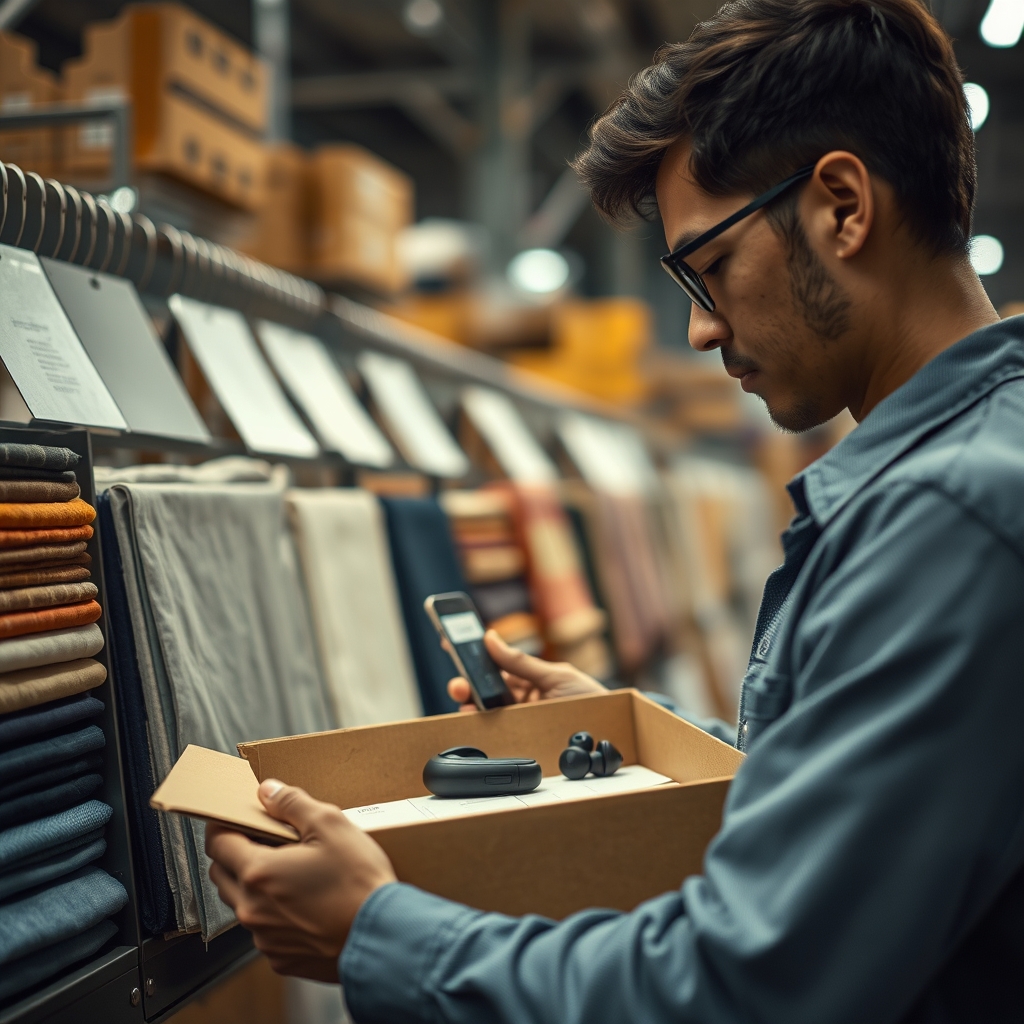
Shein, the Chinese fast‑fashion platform, announced it will let independent designers tap its logistics network while offering free shipping on a curated selection of consumer electronics such as wireless headphones and smart watches. The move was unveiled in a modest press briefing in Shanghai, where the soft click of a zippered sample bag punctuated the speaker's remarks.
How Shein's new supply‑chain model works for independent designers
Designers submit fabric swatches to a portal that feeds directly into Shein's fulfillment centers; the company then handles production, quality checks and global distribution. For many, the promise of worldwide reach is tempting, yet a boutique label owner paused, fingers hovering over the "accept" button, wondering whether speed will erode the care embedded in each stitch.
This convergence of fashion and tech retail reflects a broader platform‑economy shift, where speed and scale challenge traditional notions of craftsmanship. The structural tension lies between rapid, cost‑efficient delivery and the preservation of brand integrity. By blurring the line between apparel and electronics, Shein is redefining the shopping experience for a generation that expects both style and functionality in a single click.
It matters because it reshapes how emerging designers reach global shoppers and how consumers experience technology within a fashion context.
As the supply chain opens, the industry watches to see whether the promise of inclusivity will survive the pressure of mass‑market velocity.




















