New research published this month shows that patients who endured severe COVID‑19 or influenza and required hospitalization face a measurable increase in lung cancer risk years later. The study tracked thousands of hospital records, noting that intense viral attacks remodel immune cells in the lungs, fostering chronic inflammation that can seed tumorous growth. Researchers observed that the heightened risk was most pronounced among those whose illnesses triggered prolonged stays in intensive care, where the air carried the acrid scent of antiseptic and the constant hum of ventilators.
How Hospitalized Viral Infections Influence Long‑Term Lung Health
The findings reframe post‑pandemic health concerns: rather than viewing severe respiratory infections solely as acute crises, they should be seen as potential precursors to oncological disease. This shift invites a broader public‑health narrative that links infectious disease control to cancer prevention, echoing the historic push after the tobacco era to address long‑term harms of short‑term habits.
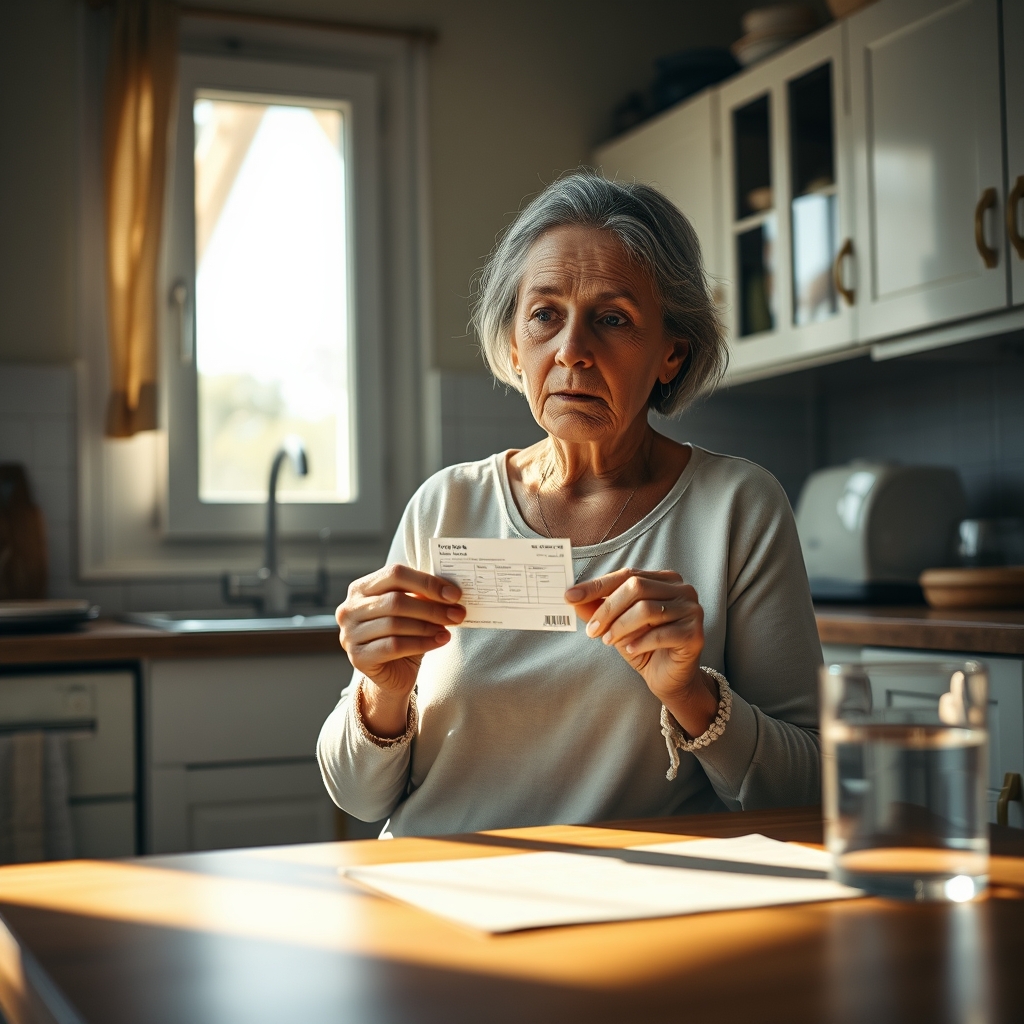
Vaccination emerges as the primary counterweight in this tension between immediate protection and future risk. In the cohort, individuals who had received a flu shot or COVID‑19 vaccine before falling ill showed markedly fewer of the inflammatory lung changes that precede malignancy. A woman in a clinic, hand hovering over her vaccination card, paused—a moment of hesitation that encapsulates the personal calculus between convenience and safety.
Implications for Lifestyle Choices
Beyond the clinical data, the study underscores a cultural moment where preventive health is woven into everyday decisions—diet, exercise, and now, routine immunization. It suggests that integrating vaccination into regular health maintenance could blunt a silent, long‑term threat, aligning personal wellbeing with broader societal resilience.
Understanding this link is vital for public‑health strategies that aim to curb future cancer burdens.
As we consider the quiet ripple effects of today's health choices, the lesson is clear: safeguarding the lungs now may protect the future.




















