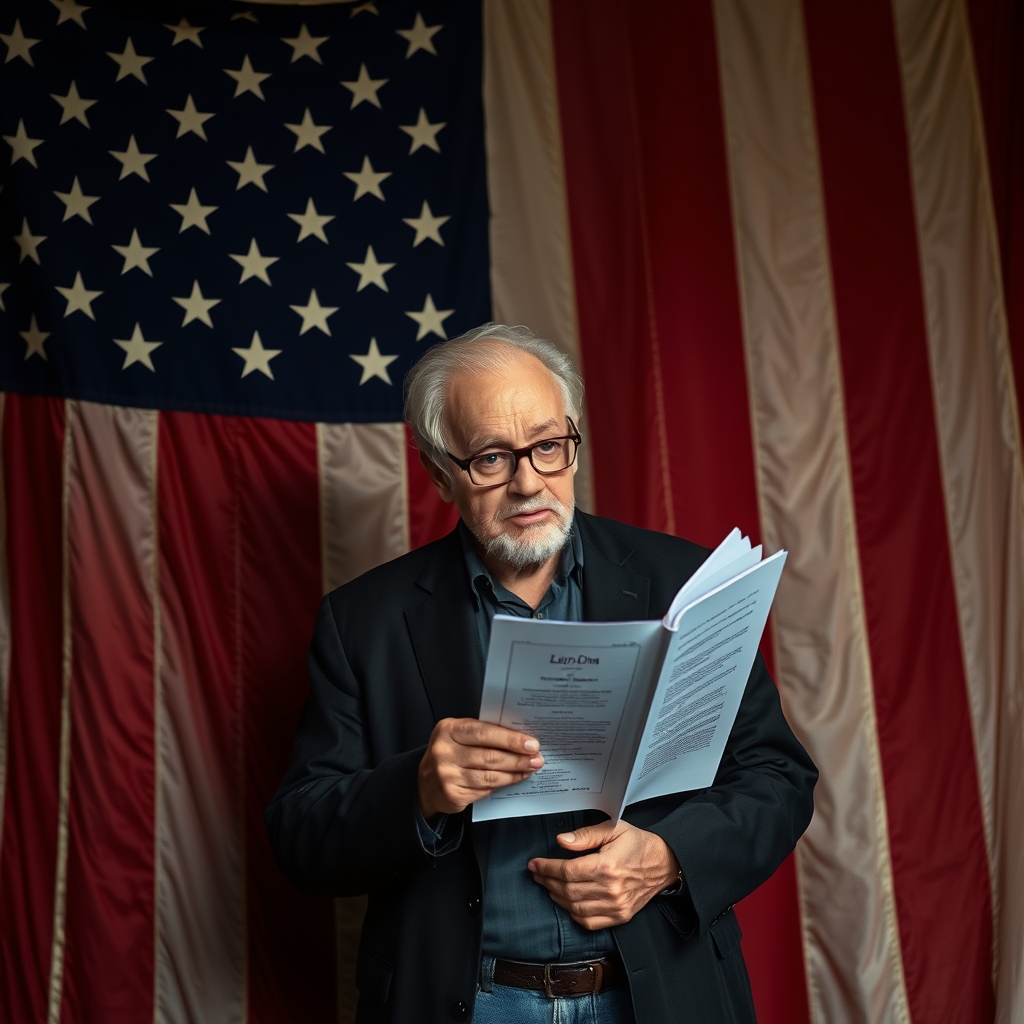
At a packed panel in Austin's historic Paramount Theatre, Larry David disclosed the premise of his forthcoming HBO sketch series, Life, Larry and the Pursuit of Unhappiness: An Almost History of America. The show, slated to premiere on June 27, will lampoon the United States as it marks its 250th anniversary. The low hum of the audience's chatter mixed with the faint smell of fresh coffee created a modest backdrop for his announcement. When a reporter asked whether the series would lean toward nostalgia or critique, David paused, adjusted his glasses, and answered with a measured grin.
What the series aims to expose
Beyond parody, the program positions satire as a mirror for collective memory, exposing the tension between efficiency of myth‑making and the safety of historical truth. By stitching together sketches that jump from the Revolutionary War to modern consumer culture, the series forces viewers to confront how quickly humor can become a shield against uncomfortable facts. This structural tension—speed of laughter versus trust in the narratives we tell ourselves—reframes the anniversary not as a celebration of progress but as an invitation to reassess the foundations of national identity.
The timing aligns with a broader cultural shift: a wave of politically charged comedy that has migrated from late‑night monologues to streaming‑first formats. In an era where streaming platforms amplify niche voices, David's project illustrates how legacy creators can harness new distribution models to revisit historical discourse. The show matters because it uses comedy to interrogate national myths at a moment of heightened self‑examination, offering a public forum where laughter and critique coexist.
David's description of the series' tone—dry, self‑aware, and deliberately uncomfortable—suggests an intent to destabilize the comfortable narratives that dominate public celebrations. By presenting an "almost history," the sketches acknowledge the gaps and contradictions inherent in any retelling, encouraging audiences to question what is omitted as much as what is highlighted.
As the panel concluded, the stage lights dimmed, and the audience lingered, the echo of David's final joke lingered like a soft after‑taste of bittersweet coffee, reminding everyone that satire, when wielded with precision, can be a conduit for cultural reckoning.
In the months ahead, the series will test whether humor can sustain a dialogue about America's past without diluting its complexity.
Ultimately, the show invites us to watch history unspool through a lens that is both critical and compassionate.
It is a rare moment when a comedian chooses to map a nation's story onto the stage, urging us to listen.




















