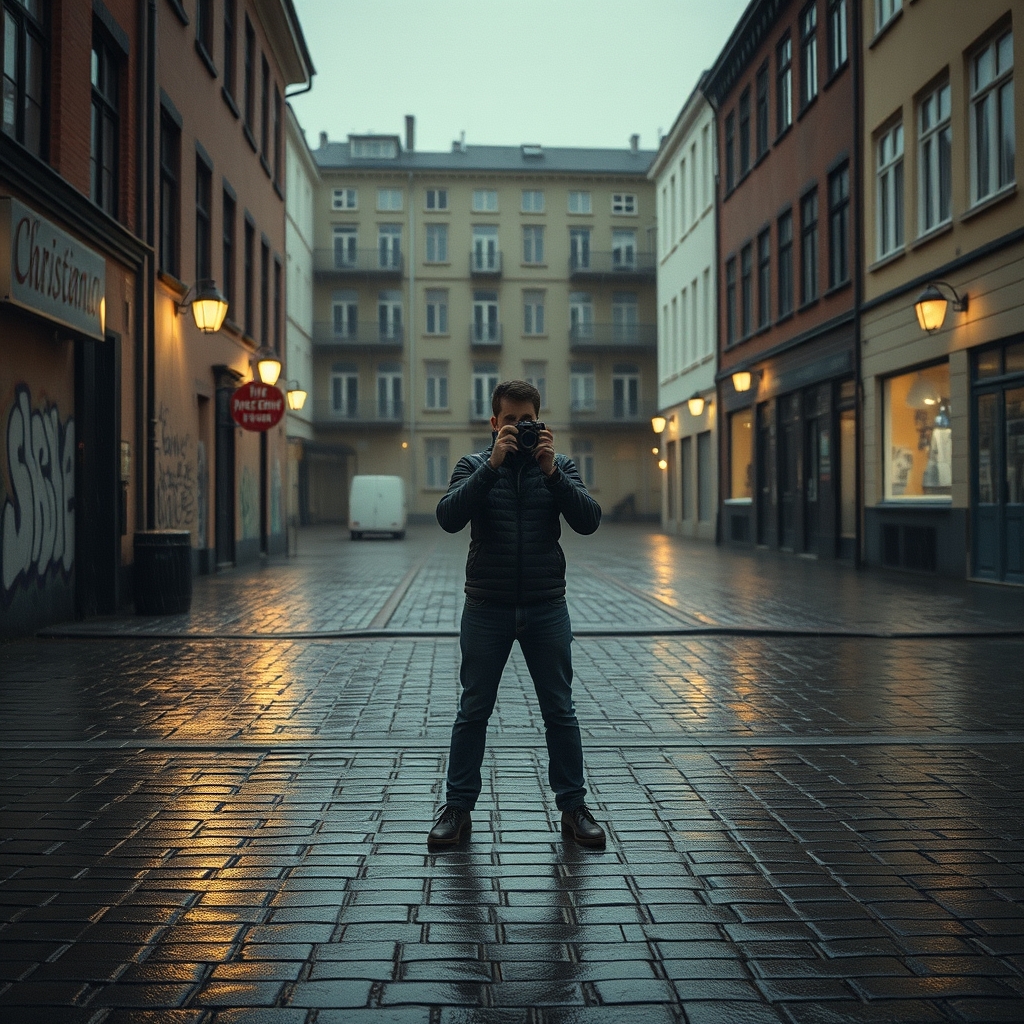
The short film "Christiania" is a visual homage to Copenhagen's autonomous neighborhood, a place the director has never visited but feels drawn to through stories, photographs, and the distant echo of bicycle bells that once filled its streets. In the editing suite he pauses, thumb hovering over the cut‑to‑fade button, uncertain whether to insert a handheld shot of a graffiti‑covered wall he has only imagined. He decides to keep the frame static, letting the audience hear the imagined murmur of residents as a subtle reminder of what is absent.
The Tension Between Memory and Authenticity
By constructing a tribute from second‑hand recollection, the filmmaker foregrounds a structural tension: the desire for authentic representation versus the safety of mediated nostalgia. This tension mirrors a broader post‑modern trend where creators negotiate personal longing with collective history, often privileging sentiment over lived experience. The film's restraint—eschewing dramatized reenactments—forces viewers to confront the gap between imagined heritage and tangible reality.
Why It Matters
It matters because it reveals how contemporary artists negotiate personal longing with collective history, exposing the fragile balance between homage and appropriation.
In the final frame, the camera lingers on an empty square bathed in amber streetlight, the sound of a lone bicycle passing by echoing a memory that never happened, yet feels undeniably present.




















