Tesla's shares linger just above a multi‑year support level, but Deutsche Bank is doubling down, posting a $465 price target that implies a 17% upside—an optimistic stance that clashes with a looming earnings miss.
In a client note dated July 15, Deutsche Bank reaffirmed its Buy rating on TSLA and projected second‑quarter adjusted earnings of $0.36 per share, well under the Street consensus of $0.47. The bank also expects full‑year vehicle deliveries of roughly 1.77 million units, a mid‑ to high‑single‑digit increase over the prior year. While the earnings outlook is modest, the analyst highlighted three durable growth drivers: autonomy, robotics, and artificial intelligence.
On the autonomy front, Deutsche Bank noted that Tesla’s Robotaxi service in Austin has not recorded any major accidents, a safety record the firm believes could translate into broader commercial confidence once scaling begins. The rollout, however, remains slower than market expectations, and the bank flagged the delayed timeline as a risk.
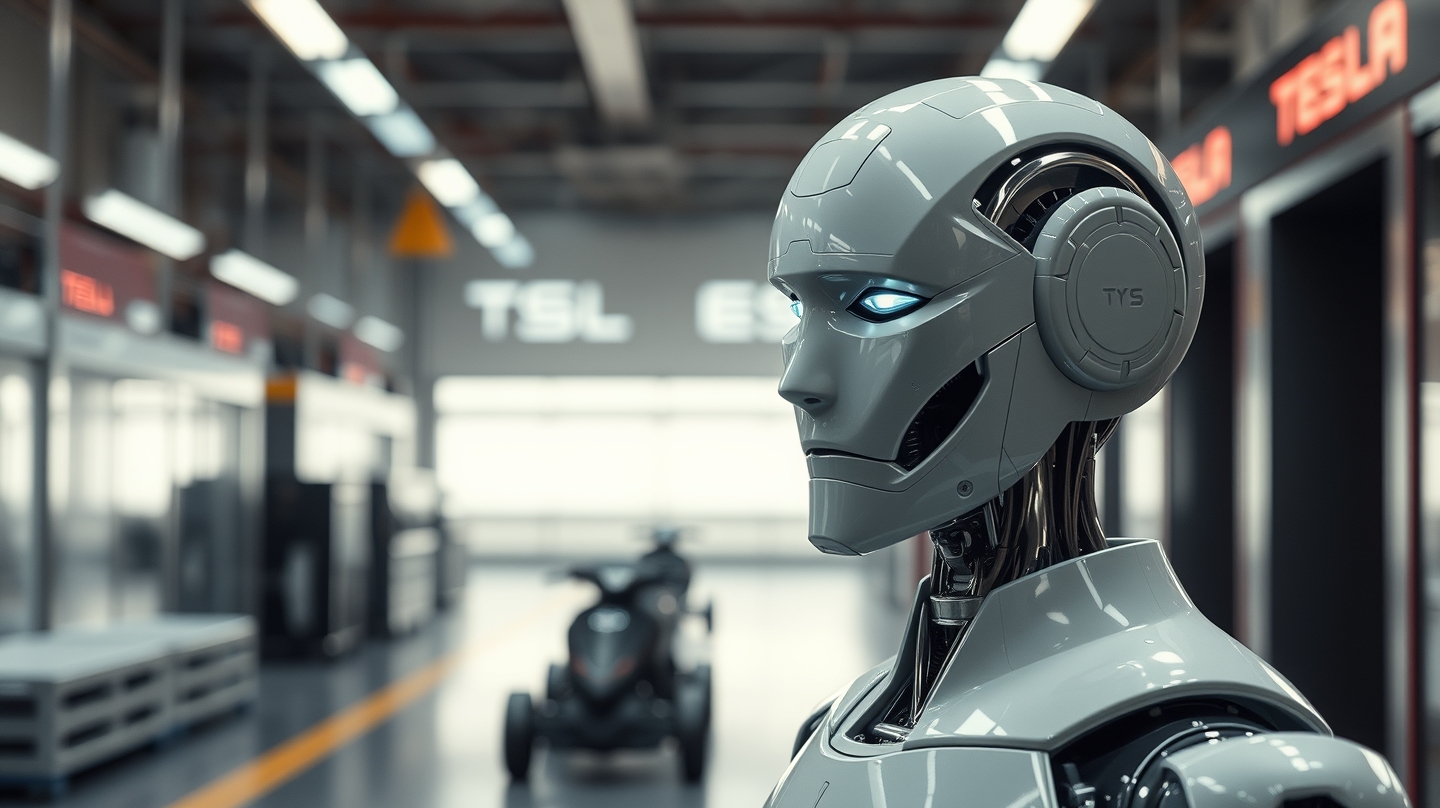
Robotics receives equal attention. Tesla’s Optimus humanoid is slated for a production cadence of about 1,000 units per week by September, according to the bank’s guidance. Concurrently, the AI5 chip—recently completed tape‑out—will first equip Tesla’s AI supercomputer and the Optimus line, underscoring the company’s integrated hardware strategy.
Cybercab production has entered a “slow and painful ramp,” with engineering validation and internal testing prioritized ahead of a broader scale‑up projected for late 2026 and 2027. Deutsche Bank sees the ramp as a near‑term drag but expects the eventual volume to reinforce Tesla’s automation narrative.
Beyond the vehicle and robot lineup, analysts anticipate growing cross‑pollination between Tesla and SpaceX. The upcoming earnings call is expected to surface discussions on shared AI architectures and launch‑related technologies, a synergy that could reshape both companies’ long‑term value propositions.
These long‑term tailwinds sit against a backdrop of heightened macro sentiment for growth stocks. If Tesla sustains its 23% year‑to‑date rally and capitalizes on its automation roadmap, the $465 target becomes attainable. Conversely, setbacks in Robotaxi or Cybercab execution could pressure the stock back toward its support zone.
From an industry perspective, Tesla’s push illustrates a broader shift: traditional automotive manufacturers are now competing with tech‑centric firms that blend hardware, software, and AI. The company’s aggressive timeline for Optimus and its AI‑first chip strategy signal a move toward a vertically integrated automation ecosystem—one that could influence supply chains, labor markets, and regulatory frameworks.
Investors should watch three signals closely: the safety and utilization metrics emerging from Austin’s Robotaxi trials, the weekly output figures for Optimus, and the timeline for Cybercab’s full production. Each metric offers a tangible gauge of how Tesla’s automation ambitions translate into revenue streams.
In sum, Deutsche Bank’s bullish stance rests on a conviction that Tesla’s automation and AI initiatives will eventually outweigh short‑term earnings pressure, positioning the company as a central player in the next wave of technology‑driven transportation.




















