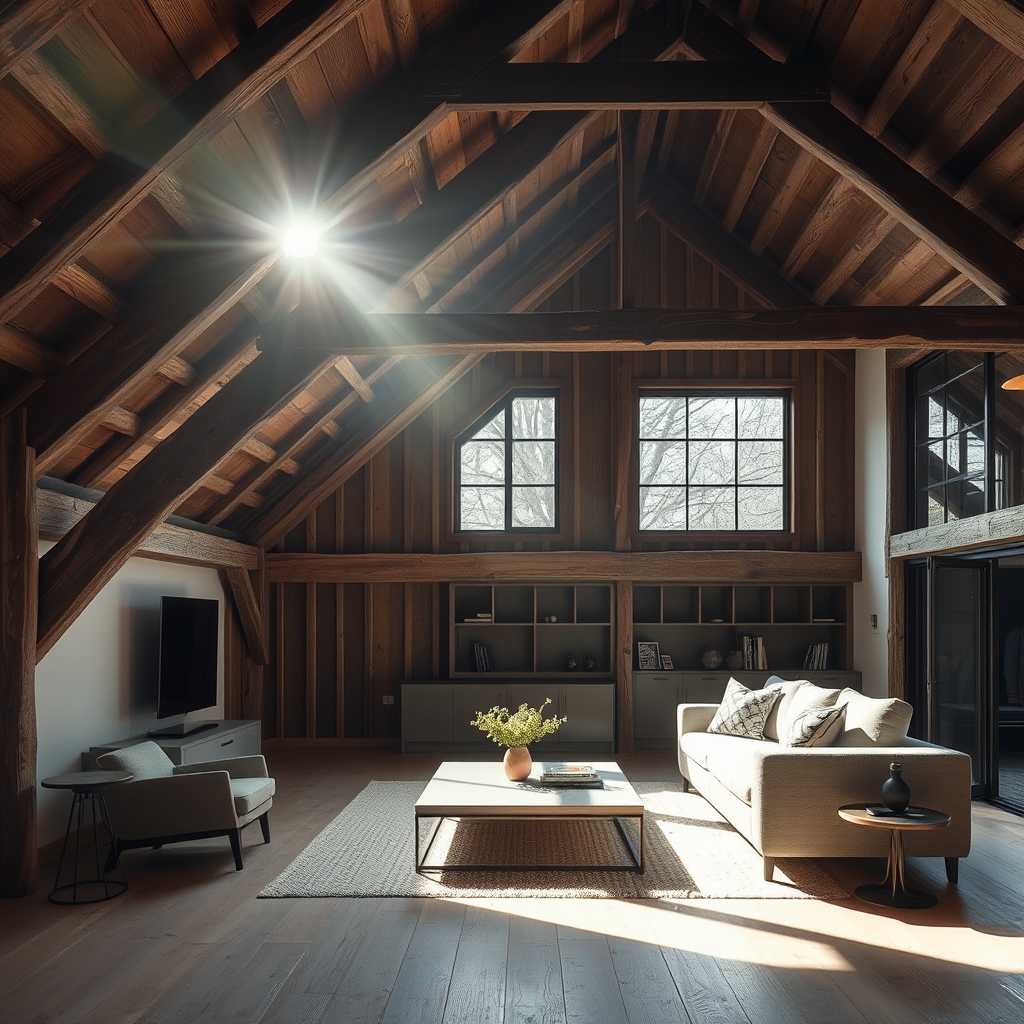
Casa NP, an abandoned barn south of Carpi on the road to Modena, began its transformation in 2022 and opened its doors in early 2026. The project rewrites the narrative of a once‑vibrant agricultural nucleus founded at the start of the last century, preserving the weathered timber and stone while inserting sleek, light‑filled interiors. The result is a residence that feels both rooted in heritage and unmistakably modern.
The architecture of memory: preserving structure while embracing modernity
The renovation confronts a classic tension—efficiency versus safety. Original load‑bearing beams, still resonant with the creak of past harvests, were reinforced with discreet steel brackets, allowing open‑plan living without compromising the barn's historic integrity. This choice reframes the space not as a relic repurposed for novelty, but as a living archive where past labor informs present comfort.
Within the loft, a sunbeam slices through a newly installed glass wall, casting a warm glow on the rough‑hewn planks. The scent of fresh pine mingles with the faint, lingering aroma of aged hay, grounding the visitor in a tactile present. As the owner pauses at the threshold, hand lingering on the reclaimed door, she feels the weight of a century of work before stepping into the airy kitchen, a moment of hesitation that epitomises the dialogue between history and today.
Fashion meets architecture
Complementing the architectural rebirth, an exclusive fashion collection—crafted from natural fibers and muted earth tones—was unveiled within the space, echoing the barn's palette while offering garments for every occasion. The garments, like the building, balance utility with aesthetic restraint, reinforcing a broader cultural shift toward sustainable, locally‑sourced design.
This matters because it demonstrates how adaptive reuse can sustain rural heritage, reduce environmental impact, and provide a template for future projects seeking harmony between preservation and contemporary living.




















