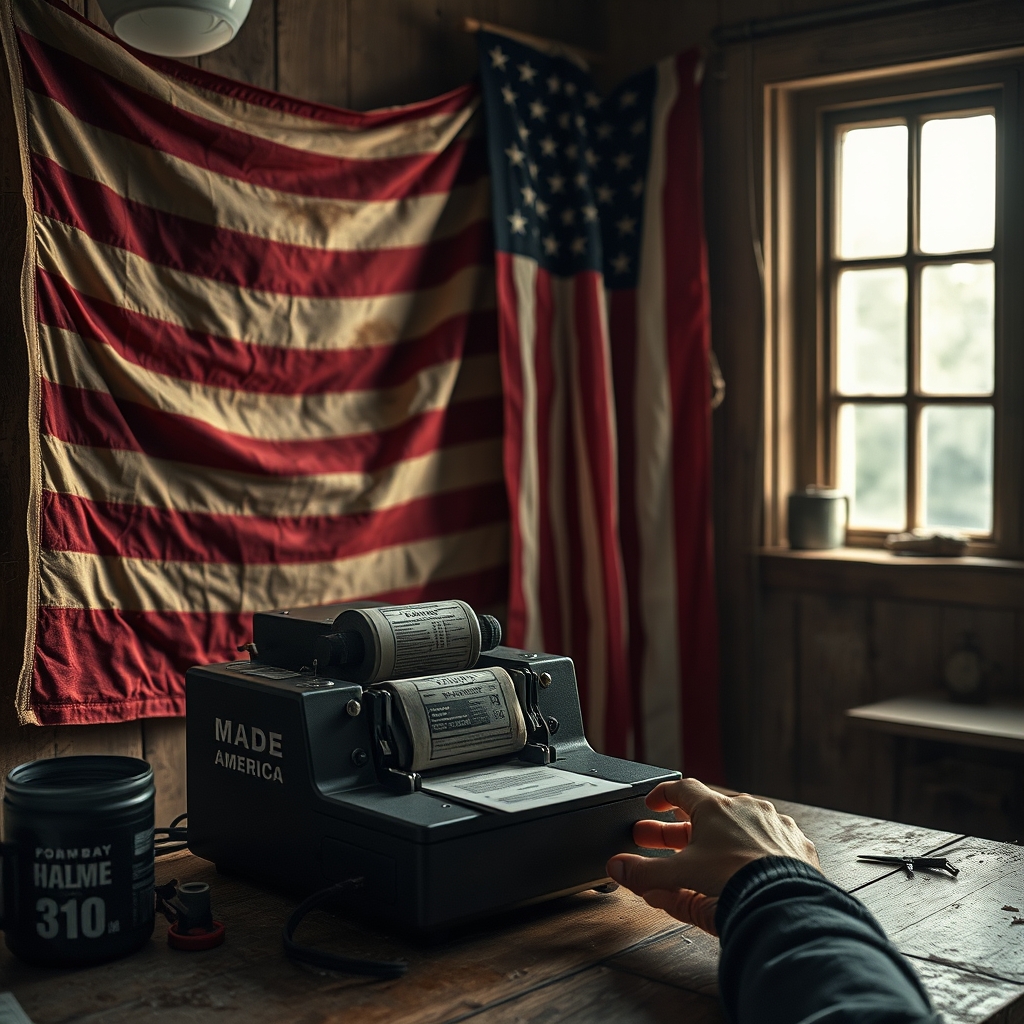
The administration announced a new enforcement rule that bars manufacturers from using the phrase "Made in America" on products that cannot substantiate domestic origin. The policy, signed on Tuesday, instructs the Federal Trade Commission to pursue legal action against companies that affix counterfeit labels to imported goods.
Why authenticity now feels like a commodity
Beyond the legal text, the rule surfaces a tension between authenticity and market efficiency. Companies have long leveraged the patriotic cachet of "Made in America" to justify premium pricing, while supply‑chain shortcuts have eroded the very provenance the label promises. By tightening verification, the government forces a recalibration: producers must choose between transparent sourcing and the speed that cheap imports provide.
Every label tells a story
In a modest Ohio factory, the sound of a humming label printer pauses as the foreman, hands stained with oil, hesitates before printing the new certification. He glances at a rusted metal door, feeling the cool texture of the steel, and wonders whether the added paperwork will slow his line enough to lose a contract.
This matters because it directly affects how consumers gauge the legitimacy of domestic branding, reshaping purchasing habits across the nation.
In the broader sweep of post‑industrial nationalism, the rule marks a return to place‑based identity as a bulwark against globalized dilution.
As shoppers scan shelves, the subtle shift from glossy slogans to verified claims may redefine trust in everyday purchases.
Ultimately, the policy invites a quiet reckoning with what "American‑made" truly signifies.
In the years ahead, the line between label and labor will continue to shape everyday life.




















