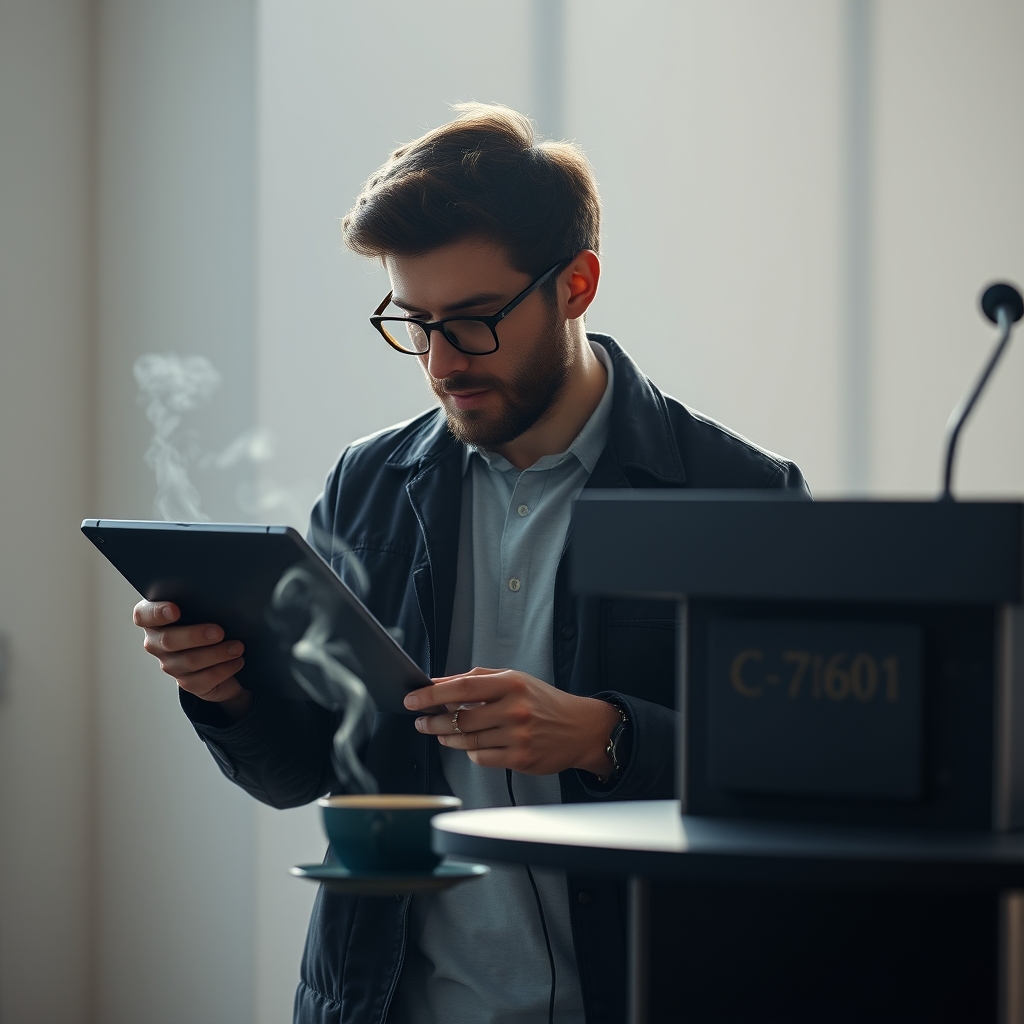
On a crisp Copenhagen morning the hall of the Danish Film Institute filled with the low hum of air‑conditioning and the scent of fresh coffee. Filmmaker Anna Sørensen stepped onto the modest podium at CPH:Conference, notebook in hand, and addressed a small audience of documentary makers. She spoke about moving from producing to directing, describing the moment when she hesitated, thumb brushing the edge of her notebook, before confessing that the shift felt like stepping from a backstage corridor into the illuminated frame of her own story. Her hopes for the new project were tied to the tools she now embraces—lightweight cameras, cloud‑based editing suites, and a smartwatch that tracks breath during takes.
Creative Autonomy Meets Technological Efficiency
The tension between efficiency and artistic independence is palpable. Modern gadgets streamline workflow, yet they also demand that the director remain vigilant about how data and automation influence narrative choices. This paradox reflects a broader cultural movement: as technology becomes more accessible, the traditional hierarchy of production roles dissolves, allowing creators to claim both logistical control and storytelling authority. Understanding this shift matters because it reshapes who controls the narratives that define public memory.
Gadgets Shaping the Documentary Lifestyle
In the same session, Sørensen highlighted three tools that have become indispensable: a compact mirrorless camera that captures high‑resolution footage in low light, a portable SSD that syncs instantly with cloud editors, and a minimalist smartwatch that monitors heart rate to gauge on‑set stress. These devices blur the line between work and play, turning the act of filming into a continuous, lifestyle‑integrated practice.
The festival's quiet blend of craft and gadgetry will rewrite documentary rhythm.




















