At this year's FilMart conference in Berlin, a panel of filmmakers and technologists described how generative artificial intelligence has already rewritten the language of commercial advertising, automated routine tasks in film and television shoots, and is poised to overhaul emerging virtual‑production pipelines. The discussion highlighted concrete examples: AI‑crafted storyboards that replace weeks of concept work, synthetic voice‑overs that cut post‑production time, and algorithmic set‑designs that render in real time. The shift is not speculative; it is being deployed in campaigns for global brands and in pilot episodes of streaming series.
How AI is redefining the creative workflow
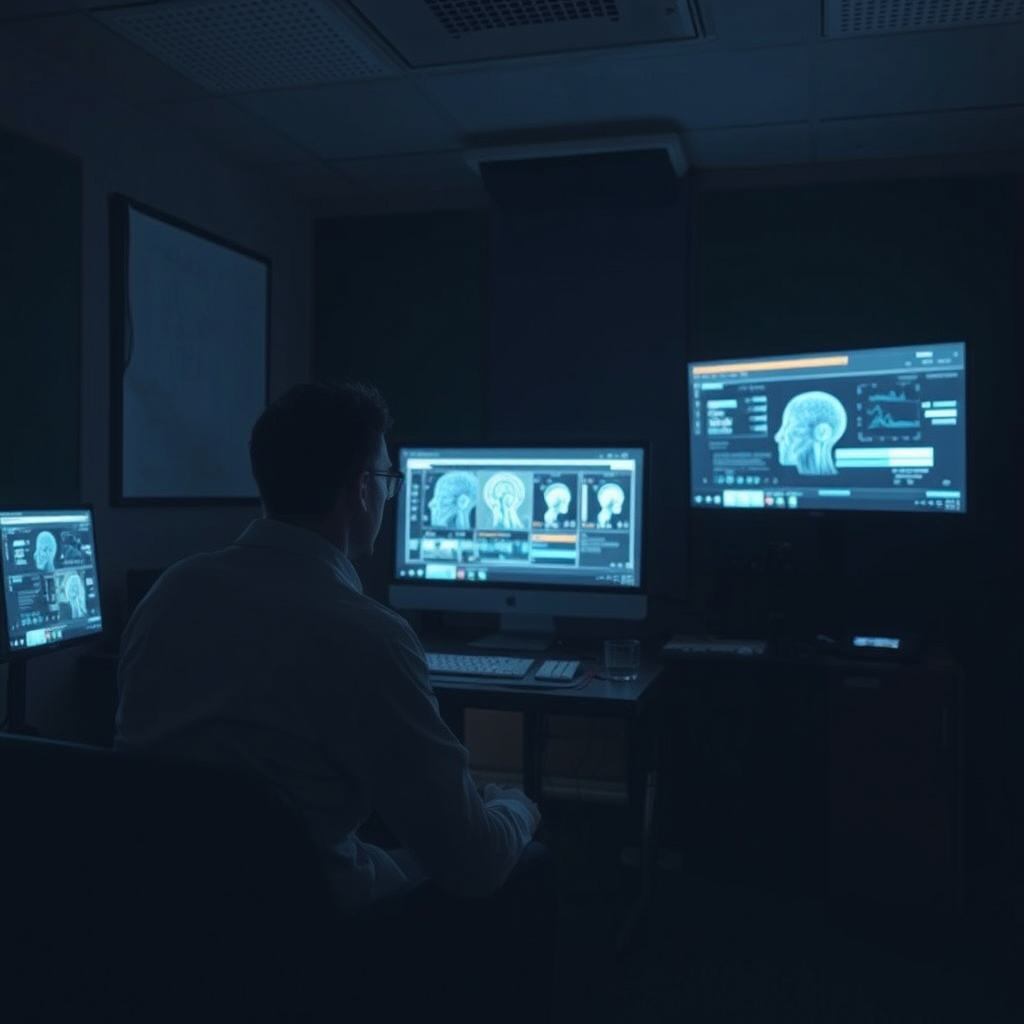
In the dim glow of the editing suite, the soft whir of the render farm blended with the click of a mouse as a director hesitated, his finger hovering over the 'accept' button for an AI‑generated storyboard. That pause encapsulated a new professional rhythm: machines propose, humans decide.
The tension between speed and artistic control
The deeper implication is a reallocation of creative authority: data‑driven engines now suggest visual narratives, forcing human creators to become curators rather than originators. This creates a structural tension between efficiency and artistic autonomy, where the lure of rapid output can erode the space for serendipitous discovery.
The development sits within the larger digital transformation that began with computer‑generated imagery in the 1990s and now accelerates toward fully algorithmic production. Understanding this shift matters because it determines who will shape the stories that influence consumer behavior and cultural values.
The next decade of media will be defined by how we balance machines and imagination.




















