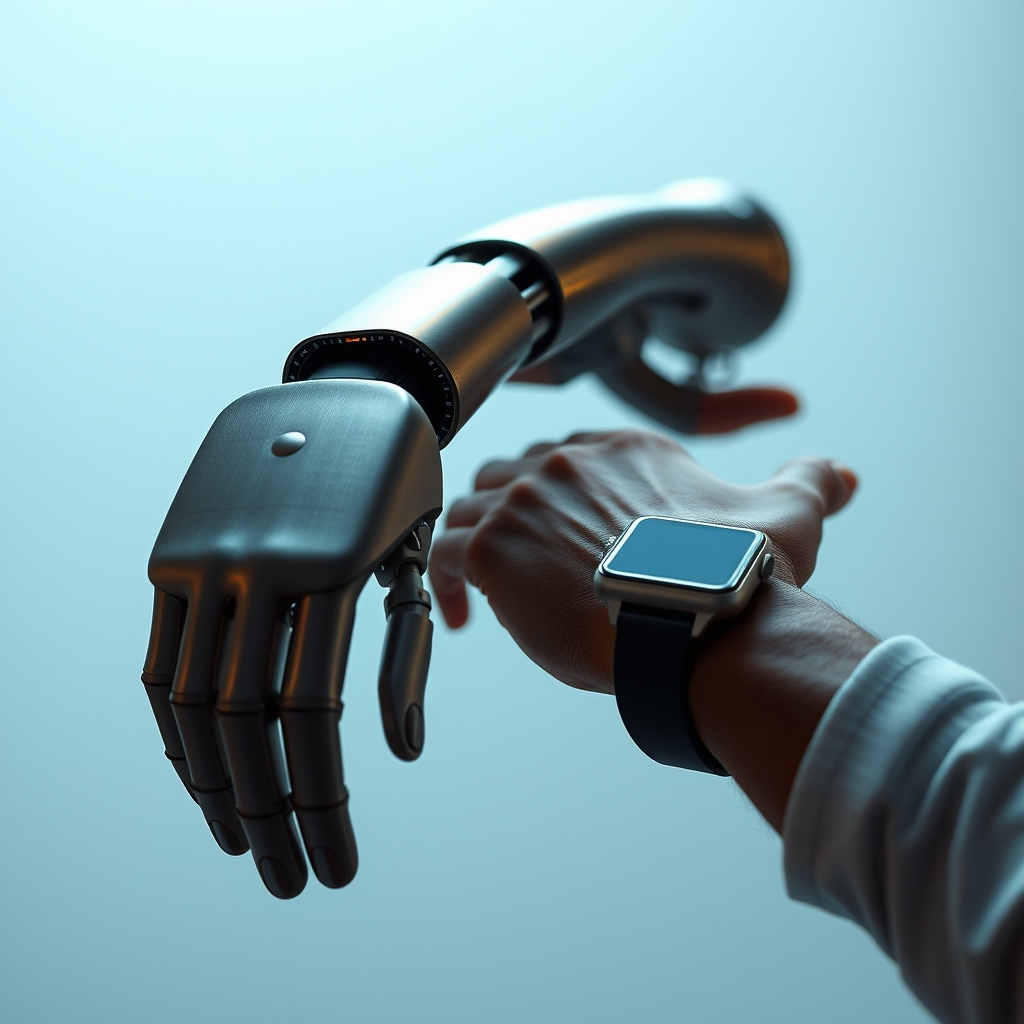
NVIDIA has signed development agreements with Boston Dynamics, FANUC and SoftBank Robotics to embed its Jetson AI modules into their next‑generation machines. The collaborations aim to translate the raw compute power of GPUs into tactile, responsive robots that can lift a dumbbell, guide a yoga pose or navigate a crowded studio. By placing the processor at the joint, the devices gain the efficiency of edge inference while preserving the safety protocols required for close human contact. This structural tension—speed of decision‑making versus trust in physical interaction—defines the next wave of consumer‑focused robotics.
How AI modules reshape consumer robotics
In a modest lab in Tokyo, a designer pauses, fingertips hovering over a carbon‑fiber gripper, listening to the faint whir of servos as they settle into a new calibration. The moment of hesitation reveals a deeper question: will the robot act as an unobtrusive assistant or an intrusive presence? The answer hinges on NVIDIA's ability to deliver compute that feels as natural as the texture of a yoga mat underfoot. The partnership therefore matters because it determines whether AI becomes a trusted part of daily life or remains a distant novelty.
From gym floor to living room
When the same aluminum‑capped arm lifts a kettlebell, the cool metal against skin mirrors the precision of a well‑tailored suit—an aesthetic that speaks to a culture increasingly comfortable with technology woven into personal rhythm. The collaboration signals a cultural shift: robotics is moving from factory floors into the fabric of active lifestyles, where performance metrics such as torque and latency are measured against human comfort and habit.




















