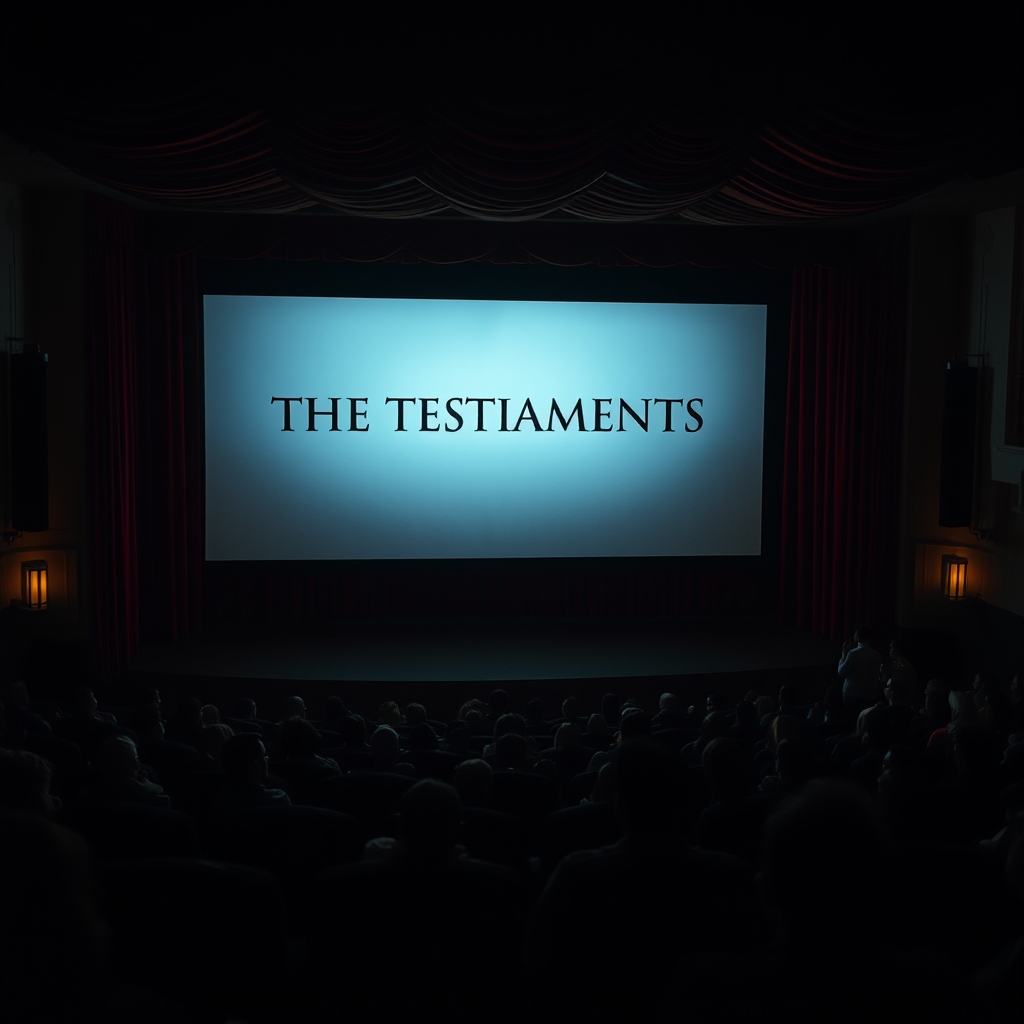
What the Series Mania premiere signals for dystopian storytelling
On Tuesday night, the historic Palais des Festivals in Cannes lit up for the world premiere of The Testaments, the television adaptation of Margaret Atwood's sequel to The Handmaid's Tale. Produced by MGM Television and slated for a Disney+ launch in April, the eight‑episode series arrived under a soft amber glow, the faint hum of the projector echoing against the polished marble.
The event was more than a screening; it was a moment of collective pause. As the director stepped onto the stage, she lingered, hand hovering over the microphone, then adjusted the cuff of her jacket before speaking. That hesitation mirrored the series' own tension between faithful translation of Atwood's prose and the demands of a binge‑ready streaming format.
Structural tension: fidelity versus accessibility
Adapting a dense, politically charged novel for a visual medium forces creators to balance narrative depth with episodic pacing. The show preserves the novel's bleak aesthetic—cold, sterile set pieces and muted colour palettes—while trimming exposition to fit hour‑long installments. This trade‑off raises a question: does condensation dilute the novel's warning, or does it amplify its urgency by reaching a broader audience?
Beyond the mechanics of adaptation, the premiere situates the series within a larger cultural shift: the resurgence of feminist dystopias on global platforms. In the wake of streaming giants courting socially conscious content, "The Testaments" exemplifies how legacy publishers are leveraging established literary brands to anchor their original programming.
The series matters because it translates a seminal feminist dystopia into a format that reaches a global streaming audience.
As the lights dimmed and the audience's applause faded, the lingering scent of fresh popcorn and the echo of a single, sustained note from the score reminded viewers that the story's relevance is anchored in the present, not just in the pages of a book.




















