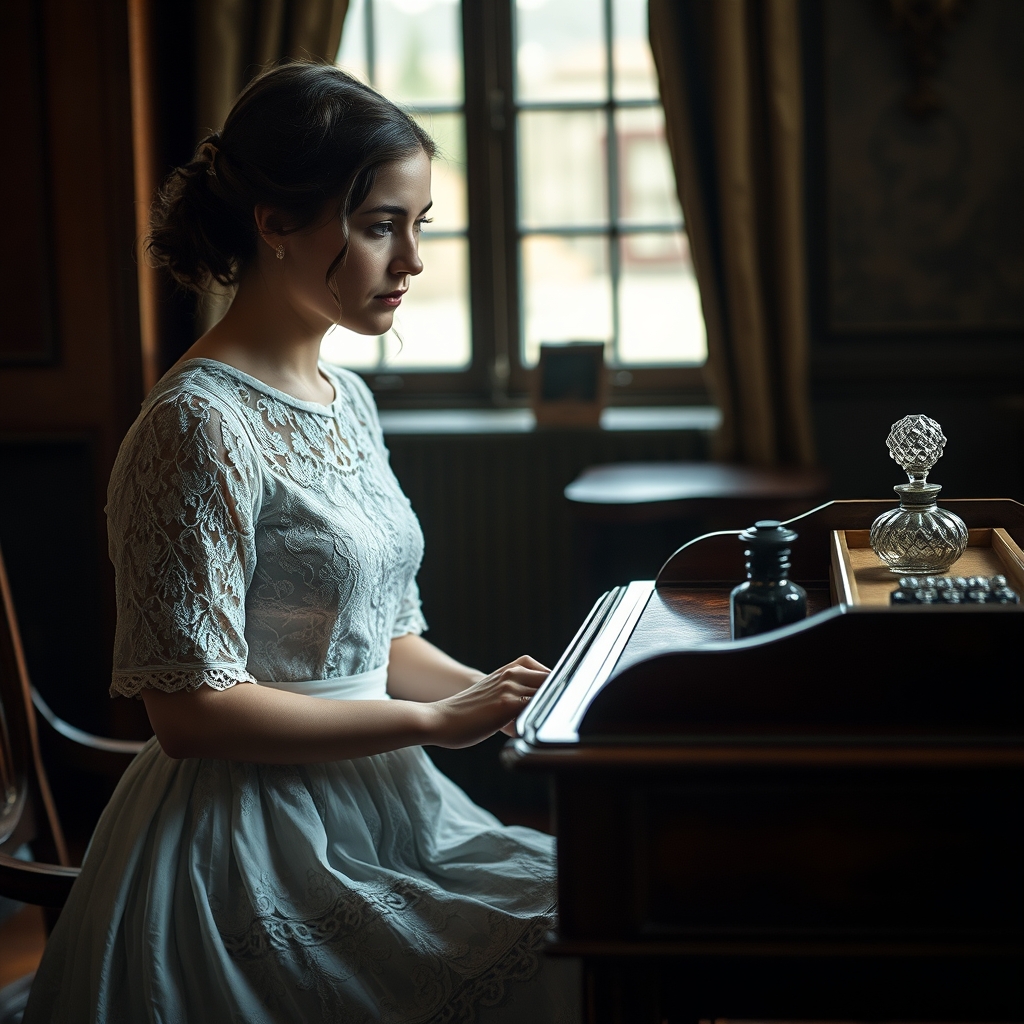
PBS Masterpiece's latest series, The Forsytes, translates John Galsworthy's early‑twentieth‑century novels into a four‑part television drama that tracks the fortunes of an English upper‑middle‑class family from the 1870s to the 1920s. The adaptation foregrounds love, ambition and duty, while the production design recreates the muted glow of gas‑lit drawing rooms and the rustle of silk gowns at garden parties.
What the adaptation adds to the original saga
The show reframes the Forsyte narrative as a lens on the tension between personal desire and the rigid expectations of social class. Where Galsworthy wrote of property and propriety, the screen version emphasizes the psychological cost of that propriety: a young woman pauses, hand hovering over the inked page before signing the deed that will bind her future. That hesitation captures the structural tension of ambition versus duty, a conflict that resonates in today's discourse on career versus family.
By situating the story within the broader revival of period drama on streaming platforms, the series participates in a cultural movement that seeks to interrogate historical power structures through contemporary storytelling techniques. The meticulous set pieces—crisp linen curtains, polished mahogany furniture—anchor the narrative in a tangible reality that viewers can sense, not merely observe.
It matters because it demonstrates how historic narratives can illuminate present debates about class, agency and the price of conformity.
In the final scene, the camera lingers on a quiet hallway where a candle flickers, reminding us that the echoes of the Forsytes' choices persist beyond the frame.
History, when rendered with restraint, still speaks to our present.




















