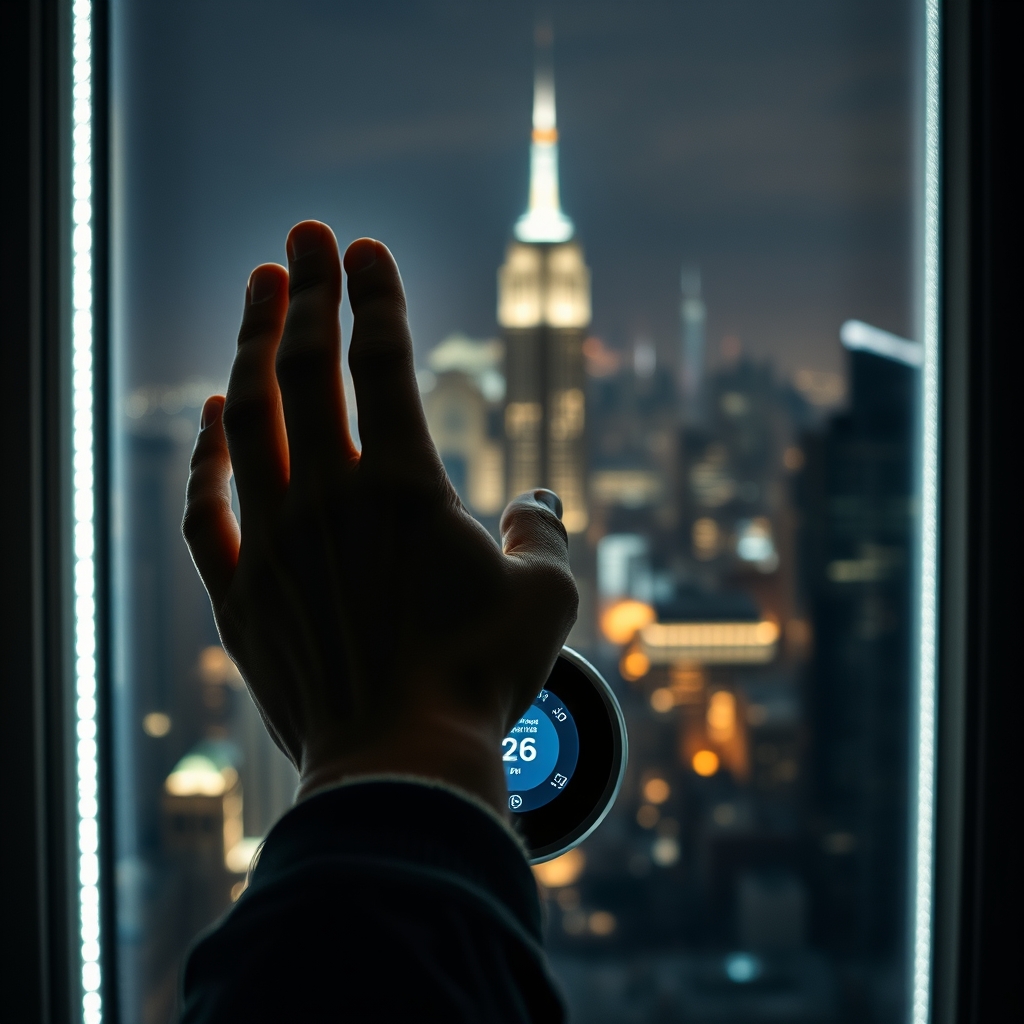
The surge in data‑center construction is pressing New York's decades‑old power grid to its limits, and homeowners are watching the flicker of streetlights and hearing the low hum of overloaded transformers as a warning. In response, many are installing connected appliances—smart thermostats, voice‑controlled lighting, and energy‑monitoring plugs—to smooth demand peaks and keep their own apartments comfortable when the neighborhood's supply wavers. This convergence of massive digital infrastructure and personal technology reveals a structural tension between capacity and reliability that reshapes everyday living.
Grid tension meets domestic technology
At its core, the conflict pits the efficiency of centralized data processing against the safety of a grid designed for a different era. The city's power lines, laid in the 1960s, were never meant to feed the constant, high‑density loads of modern server farms, yet they must now share space with a growing chorus of smart devices that promise to reduce waste. The cultural shift toward hyper‑connected homes is not merely a lifestyle fad; it is a pragmatic response to a systemic shortfall, reflecting a broader movement toward decentralized resilience in an age of urban densification.
When a resident in Brooklyn pauses before activating a new smart‑plug, the hesitation is palpable—a brief glance at the blinking panel, a mental calculation of whether the added load might tip the neighborhood's fragile balance. That moment of decision encapsulates the psychological tension between convenience and caution that defines the era.
It matters because the reliability of everyday life increasingly depends on the intersection of massive data demands and the resilience of local power.
As the city negotiates upgrades to its aging infrastructure, the quiet adoption of intelligent home systems may become the most visible sign of an evolving urban ecosystem, where personal agency and municipal engineering intersect.
In the months ahead, the rhythm of the grid will be felt not only in the hum of server rooms but in the soft click of a thermostat adjusting to a cooler night.




















