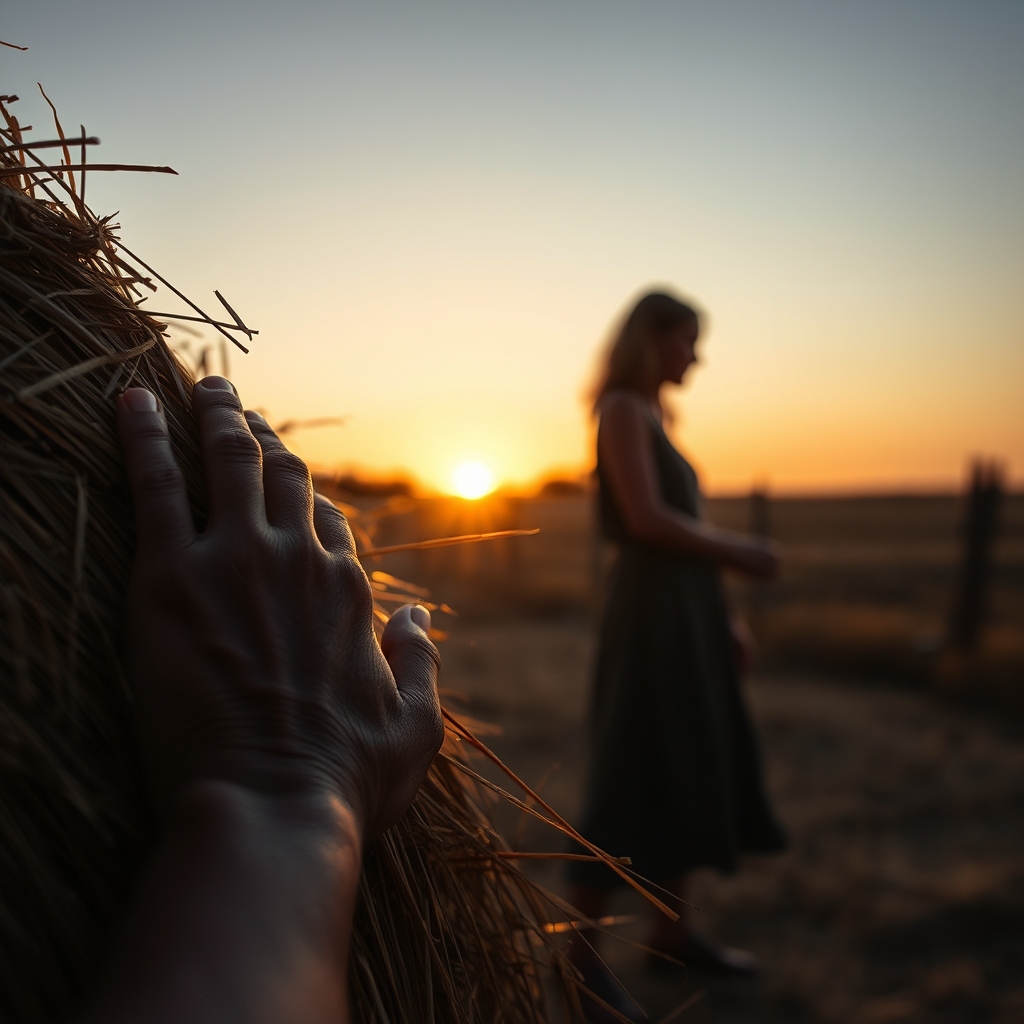
Mascha Schilinski's new feature "Sound of Falling" follows four women on a family farm, tracing their hardships across three generations as they contend with loss, labor, and silence. The film, which opened at the Berlin International Film Festival, now leads the nominations for the German Film Awards, the Lolas, positioning it at the forefront of this year's cinematic conversation.
Why the film matters in contemporary German cinema
It matters because the work reframes rural femininity as a site of both endurance and transformation, challenging the long‑standing image of the countryside as a static backdrop. The narrative creates a structural tension between tradition and autonomy: the women inherit a land that demands efficiency, yet they seek personal agency within its constraints.
In one scene, the creak of the barn door punctuates the air as Anna pauses at the threshold, hand trembling, before she steps into the dimly lit milking stall. That hesitation captures a generational moment of decision, a quiet rebellion against the inevitability of duty.
From New German Cinema to today's feminist turn
Schilinski's approach aligns with a broader cultural shift in German cinema, where female directors are foregrounding stories that intertwine personal trauma with collective history. By situating generational trauma on a farm, the film links the personal to the agrarian, echoing the post‑war emphasis on reconstruction while exposing the gendered labor that underpins it. The film's lyrical yet grounded style—"the farm becomes a silent orchestra, each note a memory"—offers an interpretive lens that sees the landscape as both character and archive.
Beyond awards, the film invites audiences to hear the often‑unheard rhythms of rural women, making the Lola race a moment of cultural reckoning rather than mere industry hype.




















