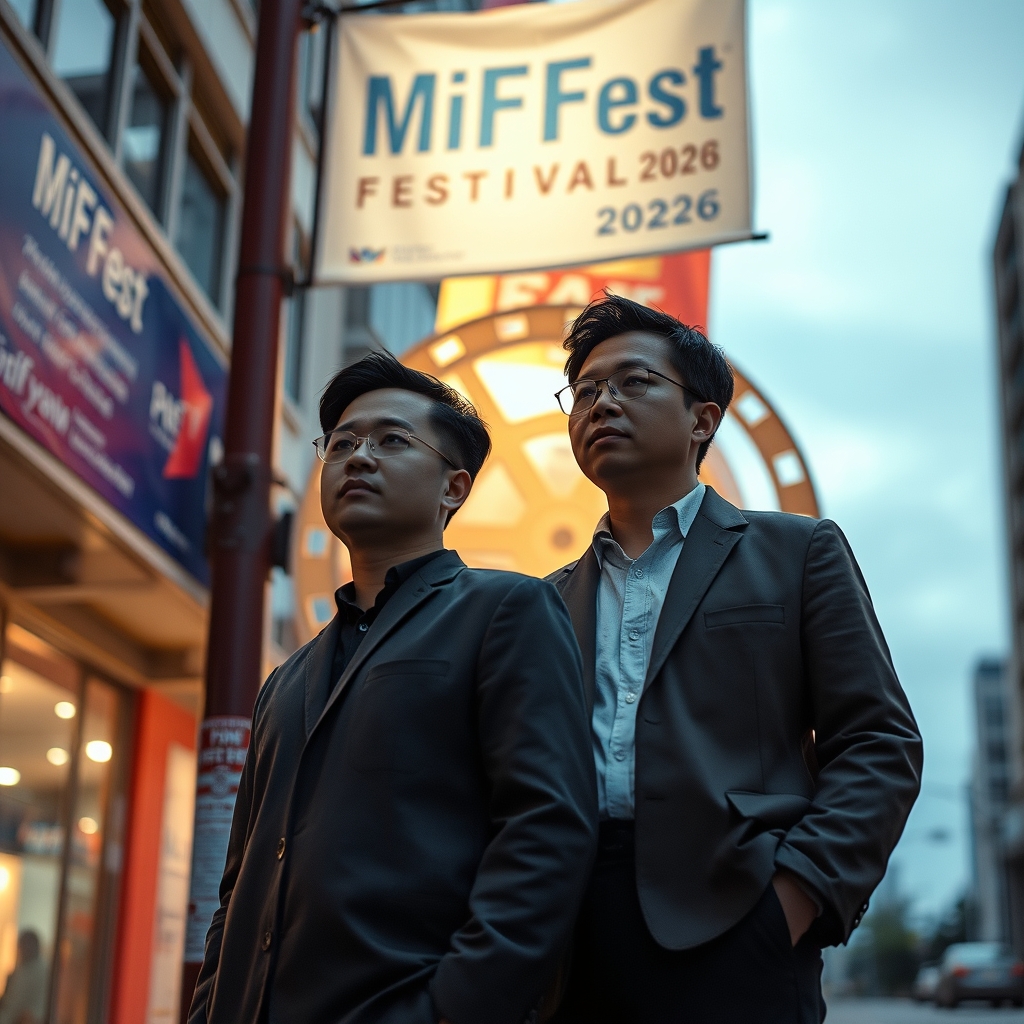
Ambassador appointments signal a new outreach strategy
The 9th Malaysia International Film Festival (MIFFest) announced on Monday that its 2026 edition, scheduled for July 18–25 in Kuala Lumpur, will be fronted by comedian‑actor Zizan Razak and film actor Jack Tan as official ambassadors. The press conference took place in a modest hall on Jalan Sultan, where the low murmur of traffic outside blended with the clink of coffee cups as organizers outlined the festival's expanded program, which includes a retrospective of classic Malay cinema, a competition for emerging Southeast Asian directors, and a series of masterclasses led by internationally recognised filmmakers.
Beyond the headline, the appointments reveal a structural tension between artistic curation and market visibility. By selecting personalities known for mainstream appeal, MIFFest seeks to draw broader audiences while preserving its mandate to showcase daring, auteur‑driven work. This duality mirrors a regional trend: festivals across Southeast Asia are balancing local cultural stewardship with the commercial imperatives of a global film market.
Cultural resonance and practical impact
When Zizan was asked to confirm his role, he paused, fingers lightly tapping the microphone stand, before replying, "If I can bring people to the cinema, that's a win for our stories." That hesitation underscores the personal calculus of public figures who navigate celebrity and cultural advocacy. Jack Tan, adjusting his tie, added that his involvement aims to "bridge the gap between indie creators and everyday viewers." Their statements ground the festival's ambitions in tangible human intent.
Program highlights such as the "New Voices" competition, which offers a RM200,000 production grant, and the restored screening of P. Ramlee's "Bujang Lapok" illustrate MIFFest's commitment to both heritage and future talent. The festival's timing, positioned between the Cannes and Toronto festivals, situates Kuala Lumpur as a strategic stop on the international circuit, potentially attracting distributors and investors to the Malaysian screen.
This matters because the ambassadors' public profiles can shape audience expectations, influencing ticket sales, sponsorship deals, and ultimately the financial health of the regional film ecosystem.
As the city's evening lights begin to flicker against the Petronas towers, the festival prepares to turn Kuala Lumpur into a temporary cinema town, where the reverberation of projectors will echo beyond the scheduled dates.
MIFFest 2026 will shape how Malaysia tells its stories to the world.




















